Ukraine’s Drone Tech to Defend US Bases: A Geopolitical Game-Changer
The United States is now seeking advanced drone technology from Ukraine to protect its military bases in the Middle East, marking a significant shift in global defense dynamics. This move highlights Ukraine's innovation in drone warfare and its growing strategic importance in countering Russian aggression.

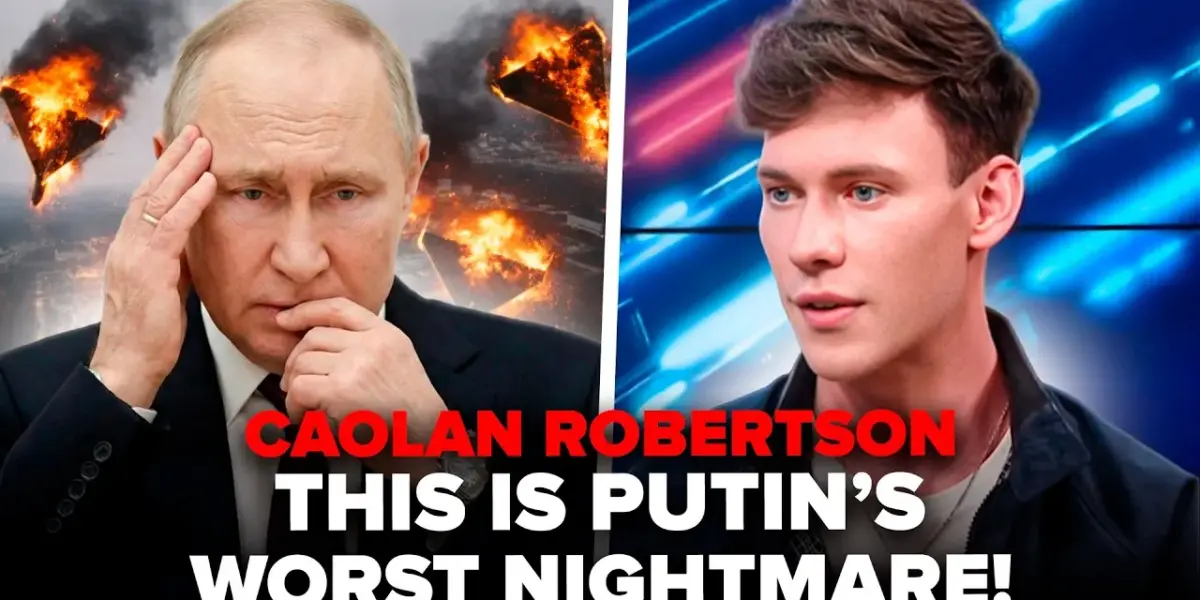
Ukraine’s Drone Prowess to Secure US Mideast Bases
In a stunning development that underscores the shifting global military landscape, the United States has officially requested drone technology from Ukraine to safeguard its military bases in the Middle East. This unprecedented move signals a significant acknowledgment of Ukraine’s advanced capabilities in drone warfare, a domain where Kyiv has demonstrated remarkable innovation and effectiveness since the full-scale Russian invasion.
Russia’s Global Ambitions and the Iranian Alliance
The request comes amidst a broader geopolitical strategy by Russia, which Irish journalist Kaelin Robertson explains as an ambition for “global domination against a democratic West.” Robertson highlights that Russian President Vladimir Putin is actively seeking to bolster the Iranian regime, viewing its destabilization as a threat to his own long-term objectives. This support, she notes, could manifest in the form of physical weapons, data, and intelligence, aimed at propping up Tehran and potentially directing its actions against U.S. interests.
“Russia’s plan right now is not just to win on the battlefield in Ukraine. Russia knows that they’re making little ground. They’re also losing ground right now. Russia has a much bigger plan and that’s global domination against a democratic west. Russia is um has a very very very long-term plan. Putin has a very long-term plan and that’s to build an axis, build an alliance with other dictatorships against the democratic West.”
This strategic alignment raises concerns that Russia might be sharing sensitive intelligence with Iran, including data on U.S. troop bases and air defense vulnerabilities. The Washington Post has reported on allegations that Russia is providing the Islamic regime with intelligence communications data and satellite imagery to aid in potential strikes against American servicemen, suggesting a conflict that extends beyond Ukraine’s borders.
Ukrainian Innovation in Drone Warfare
The demand for Ukrainian drone technology stems from Kyiv’s remarkable success in developing and deploying advanced aerial systems. Robertson describes visiting the facilities of “Wild Hornets,” a Ukrainian company that has evolved from a grassroots crowdfunding campaign into a significant player in drone manufacturing. She observed prototypes for early 2025 and current battlefield technologies, emphasizing their aerodynamic designs and sophisticated AI integration.
These Ukrainian-made interceptor drones are notable for their cost-effectiveness and efficiency. Unlike expensive Western systems like Patriot missiles, which can cost millions of dollars, Ukrainian drones can be produced for under $2,000. They are designed as self-contained units, easily deployable from a P-case, and capable of intercepting threats like Russian Shahed drones with extremely high success rates.
“Thousands and thousands of Shahed have already been taken down by these and they’re tiny and they cost less than $2,000 now. And the United States is using Patriot missiles that are starting at $5 million to take down these 20 grand Shahed,” Robertson stated, highlighting the stark contrast in cost and efficacy.
A Shift in Global Defense Dynamics
The United States’ request for Ukrainian drone technology marks a pivotal moment, transforming the traditional donor-recipient relationship. Ukraine, once primarily a recipient of military aid, is now poised to become a critical supplier of advanced defense solutions, positioning itself at the “forefront of defense on the planet.” This shift is not merely about technology transfer; it signifies Ukraine’s growing strategic importance and its capacity to contribute significantly to global security.
Robertson elaborated on this transformation: “It’s no longer a one-way relationship anymore. It’s no longer just asking. It’s no longer a charity case. It’s a two-way relationship. Ukraine is asking for support in return. They will give you the best air defense on the planet, which right now is the most important thing in the world, which means Ukraine is standing on its own two feet, proud and strong and confident.”
The Broader Implications of the Conflict
The conflict’s reach has extended beyond Ukraine, impacting global stability and security. The discussion touched upon the alarming use of Shahed drones in attacks on civilian infrastructure, including the Dubai airport, and the subsequent realization by international travelers of the constant threat faced by Ukrainians. This shared experience, Robertson suggests, could serve as a turning point, fostering a deeper understanding of the war’s global ramifications.
Furthermore, the interview addressed the controversial issue of Russia’s participation in international sporting events, particularly the Paralympics. The practice of allowing soldiers who have fought in Ukraine to compete, and the alleged recruitment of wounded soldiers directly from hospitals, was decried as a “global humiliation” and a reward for aggression. Robertson argued that Russia has consistently used sports as a tool to normalize its actions and distract from its military campaigns, citing historical examples such as the Sochi Olympics preceding the annexation of Crimea and the Beijing Olympics preceding the invasion of Ukraine.
Looking Ahead: A New Era of Defense Cooperation
The alliance between Ukraine and the West is evolving, with Ukraine increasingly recognized not just for its resilience but also for its innovative military contributions. The demand for its drone technology signals a new era of defense cooperation, where Ukraine plays a vital role in safeguarding international security. As the conflict continues, the world watches to see how this newfound strategic partnership will shape the future of global defense and counter Russian aggression.
Source: Putin didn't expect Trump to ask Ukraine for help. British journalist explains WHY Kyiv already won (YouTube)

Related Articles


Trump’s Pressure Forces China to Rethink Economic Future
China's latest economic blueprint, revealed at the "Two Sessions," signals a significant recalibration driven by internal challenges and external pressures, particularly from the U.S. under Trump. Facing a "crumbling" economy, Beijing is lowering growth targets and pivoting to "new quality productive forces" while grappling with massive debt and a potential overcapacity crisis.


Ukraine Shares Drone War Secrets Amid Middle East Strikes
Ukraine has dispatched military experts to the Middle East to share crucial experience in combating Iranian-designed drones following a wave of regional attacks. Kyiv has long warned of the growing threat and Russian-Iranian cooperation, now offering its "irreplaceable" insights gained from years of conflict.


Starmer Faces Fallout: Mandelson Files Reveal Diligence Gaps
The first wave of Peter Mandelson's appointment files has been released, highlighting concerns over the due diligence process and Keir Starmer's involvement. Reports suggest the vetting was minimal, raising questions about judgment. The files also touch on geopolitical tensions in the Gulf.