Ukraine’s Drone Barrage: A New Era of Warfare Dawns
Ukraine is reportedly employing a new 'creeping drone barrage' tactic, using hundreds of drones to precede infantry assaults. This innovative strategy, drawing parallels to World War I's creeping artillery, significantly enhances offensive capabilities and has been linked to recent territorial gains.


Ukraine’s Drone Barrage: A New Era of Warfare Dawns
The relentless evolution of warfare has once again demonstrated its capacity for terrifying innovation. Ukraine has reportedly begun employing a novel tactic that blends the historical concept of a creeping artillery barrage with the precision and ubiquity of modern drone technology. This new strategy, described by Russian military bloggers and confirmed by Ukrainian actions, involves massed drone attacks preceding infantry assaults, significantly enhancing offensive capabilities and altering the battlefield dynamic. The effectiveness of this approach is underscored by claims of substantial Ukrainian territorial gains in the Zaporizhzhia direction.
The ‘Air Strike Fist’: A Swarm of Drones
Reports from Russian soldiers, relayed by sources like Belarusian Silivic, paint a vivid picture of this new tactic. The description speaks of an “air strike fist” – a coordinated strike by hundreds of drones, estimated between 300 to 400, launched simultaneously over a narrow front line, extending approximately 20 kilometers deep. This aerial bombardment is designed to soften enemy defenses, suppress positions, and create an opening for advancing mobile and consolidation groups. Crucially, drone operators then advance with these groups, allowing the process to repeat, effectively creating a rolling offensive.
While the term “swarm” is used, it’s important to note that current deployments appear to involve individual drone pilots rather than fully autonomous AI-driven swarms. The sheer number of drones operating in a concentrated area, however, signifies a deliberate and well-resourced operational plan, heavily reliant on a large contingent of skilled drone pilots. This massing of forces is not an afterthought but a calculated strategy, leveraging the widespread use of drones across the front lines.
Echoes of World War I: The Creeping Barrage Reimagined
This drone barrage strategy draws a clear parallel to the creeping artillery barrage, a tactic that became prominent during World War I. The original concept involved artillery fire gradually advancing, with infantry following closely behind to exploit the softening of enemy defenses. The objective was to maintain continuous pressure, preventing defenders from regrouping or re-establishing positions.
The historical challenge with creeping barrages was the inherent risk of “short rounds” – artillery shells falling short and hitting friendly troops. This necessitated a careful gap between the advancing artillery fire and the infantry, a gap that could be exploited by a vigilant enemy. The Ukrainian innovation addresses this limitation by equipping the “artillery rounds” with “eyes.” Drones, operating ahead of the infantry, can actively identify and neutralize enemy positions, reducing the risk of friendly fire and increasing the precision of the advance. This allows for a tighter, more coordinated push, where Ukrainian forces advance kilometer by kilometer as drone-delivered fire suppresses or destroys enemy strongholds.
The Evolution of Combined Arms: Artillery Embraces Drones
The synergy between drones and ground forces highlights the ongoing evolution of combined arms warfare. Historically, the creeping barrage demanded tight coordination and trust between artillery and infantry. If infantry moved too early, they risked being shelled by their own forces; if they moved too late, the barrage lost its effectiveness, allowing the enemy to recover. This new drone-centric approach maintains this need for coordination but integrates a new layer of technological capability.
The transcript notes a significant shift, with artillery units themselves being repurposed to operate drones. The 63rd Mechanized Brigade, for instance, has reported successfully integrating drones into their operations due to the increased threat from enemy drones to traditional artillery positions. These artillerymen, now proficient drone operators, are reportedly achieving impressive results, targeting tanks, artillery pieces, equipment, and infrastructure with high accuracy. This adaptation makes strategic sense, as artillery units are already adept at the complex planning and coordination required for maneuver warfare.
This shift is also a response to the evolving battlefield realities. Russian artillery, for example, has been forced to operate further from the front lines due to the pervasive threat of Ukrainian drones. This increased distance can put them outside effective engagement ranges, rendering their traditional role less impactful. By retooling these trained personnel for drone operations, Ukraine can maintain offensive pressure and leverage experienced military talent in new, effective ways.
Territorial Gains and Strategic Objectives
The effectiveness of these new tactics is reflected in reported territorial gains. In the Zaporizhzhia direction, Ukraine is said to have liberated over 400 square kilometers, pushing Russian forces out of significant occupied areas. This advance, characterized by a narrow strip of progress on maps, appears to be a direct result of the rolling drone barrage strategy.
Military analysts suggest that these operations are primarily tactical, aimed at improving Ukraine’s strategic position rather than launching a full-scale counteroffensive. The consolidation of these gains and the solidification of front lines are likely immediate objectives. While some areas, like the Yuzhnoukrainsk direction, are seeing increased Russian troop concentrations and defensive preparations, other sectors, such as the Robotyne area, are witnessing Ukrainian advances.
Deep Strikes and Strategic Infrastructure Attacks
Beyond the immediate front lines, Ukraine continues to conduct deep strikes against Russian strategic infrastructure. Recent attacks have targeted a factory in Bryansk, just across the border into Russian territory, and an oil field in the Krasnodar Krai. The Bryansk strike, reportedly involving 8-10 missiles, resulted in civilian casualties and significant damage, with a Ukrainian reconnaissance drone observing the aftermath. The attack on the oil infrastructure in Krasnodar Krai, claimed by Ukraine’s SBU, is seen as a significant blow to Russian oil logistics, disrupting supply routes and forcing costly adjustments.
These strikes on oil facilities are particularly notable, occurring against a backdrop of global energy market volatility and the easing of some sanctions on Russian oil. While Russia may seek to capitalize on these opportunities, Ukrainian attacks on its energy infrastructure aim to mitigate such benefits and impose further economic pressure.
Why This Matters
Ukraine’s innovative use of drone technology represents a significant leap in modern warfare. The “creeping drone barrage” effectively combines historical tactical principles with cutting-edge capabilities, offering a more precise, flexible, and potentially less costly method of offensive operations. This adaptability not only enhances Ukraine’s immediate combat effectiveness but also signals a broader trend in military doctrine worldwide. As drones become more sophisticated and accessible, their integration into combined arms operations will likely become a defining characteristic of future conflicts.
Implications, Trends, and Future Outlook
The successful implementation of this tactic has several key implications. Firstly, it demonstrates Ukraine’s continued capacity for innovation under pressure. Secondly, it forces adversaries to constantly adapt their defensive strategies and counter-drone measures. The effectiveness of these drone barrages suggests a potential shift in the balance of power on the battlefield, favoring well-coordinated and technologically adept forces.
The trend towards increased autonomy and massed deployment of drones is undeniable. While current Ukrainian tactics rely on human pilots, the future may see greater integration of AI for swarm coordination and target selection. This will raise new ethical and strategic questions about the nature of warfare and the role of human decision-making.
The future outlook suggests an escalating drone arms race. Nations will invest heavily in developing more advanced drone capabilities, electronic warfare systems, and counter-drone technologies. The ability to effectively integrate drones into existing military structures, as seen with Ukraine’s artillery units, will be crucial for maintaining a competitive edge. Furthermore, the targeting of critical infrastructure, like oil facilities, highlights the expanding scope of modern conflict, where economic and logistical disruption can be as impactful as direct military engagement.
Historical Context and Background
The use of coordinated artillery and infantry assaults has a long history, dating back to the trench warfare of World War I. The creeping barrage was a brutal but effective tactic that shaped infantry assaults for decades. Its evolution into the digital age, with drones acting as the “eyes” and “guns” ahead of advancing troops, is a natural progression. The proliferation of affordable and capable drones, coupled with lessons learned from recent conflicts, has accelerated this transformation. Ukraine, facing a numerically superior adversary, has been at the forefront of adapting these technologies, turning readily available commercial and military-grade drones into sophisticated tools of war.
Source: Ukraine Just Made an Old Tactic Even Deadlier (YouTube)

Related Articles


Ukraine Strikes Russian Oil Refinery, Eyes Iran Threat
Ukrainian forces struck a key Russian oil refinery, disrupting Moscow's war capabilities. Meanwhile, Finland's president urged continued U.S. support for Ukraine, as Kyiv shares its air defense expertise globally amid growing geopolitical complexities involving Iran and potential sanctions against Hungary.
US Weighs Shifting Ukraine Weapons to Iran Amid Missile Shortage
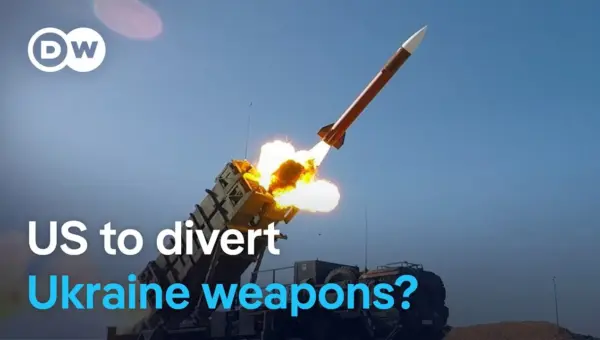
The U.S. is reportedly considering diverting weapons destined for Ukraine to support operations against Iran, driven by rapidly depleted missile stocks. This potential shift raises concerns about Ukraine's defense capabilities and highlights the complex interplay between global conflicts.


Ukraine Strikes Cripple Russian Oil Exports
Ukrainian drone strikes are crippling Russia's oil exports and damaging its economy, leading to falling domestic support for President Putin. The targeted attacks on refineries and terminals aim to cut off war funding and have significant geopolitical consequences.