Ukraine War’s Toll: Young Refugee’s Journey From Fear to Activism
Ali Velshi revisits Nastya Shpot, a Ukrainian refugee he first interviewed in 2022. Now 19, Shpot is studying in the UK, pursuing her passion for politics after her childhood was dramatically altered by the war. Her journey highlights the profound personal impact of the ongoing conflict.

Ukraine War Continues: Global Assets Strained, Peace Efforts Complicated
As the war in Ukraine enters its fifth year, new global conflicts are significantly straining military assets, ammunition, and equipment, exacerbating dwindling global supplies at a critical time for Kyiv. This complex geopolitical landscape raises serious questions about the efficacy of international peace efforts, particularly when major global powers find themselves supporting opposing sides of different conflicts.
Russia has reiterated its non-negotiable demand for Ukraine to cede four regions: Luhansk, Donetsk, Zaporizhia, and Kherson. Notably, this demand includes territories that Russia does not currently control, underscoring the depth of the territorial dispute. The map illustrates Russia’s current control in red, while the green areas represent territories Russia is demanding but which remain under Ukrainian control.
From War-Torn Shoktarsk to Global Stage: Nastya Shpot’s Resilience
The small town of Shoktarsk, formerly known as Perchotravhesk until a name change in 2024 aimed at distancing Ukraine from its Soviet past, lies approximately 50 miles from the front lines and 30 miles west of the Donetsk region border. It is the hometown of Anastasia Shpot, affectionately known as Nastya, a young woman whose journey has been profoundly shaped by the ongoing conflict.
Ali Velshi first met Nastya in March 2022, just weeks after the full-scale invasion began. Appearing on his show from a hotel balcony in Warsaw, Poland, the then 15-year-old Nastya, along with her mother and sisters, had fled their home. They left behind her grandparents and her father, Victor, a military chaplain. Despite the immense personal hardship, Nastya displayed remarkable courage and compassion, dedicating herself to assisting other Ukrainian refugees.
“Thank you with your supporting us. Thank you. It’s very important not for me. It’s important for my family and my friends. And we’re really grateful.”
Nastya recounted her experiences helping refugees at train stations, providing food and support. “It makes me feel better because I know that I’m not alone and who lost everything,” she shared, emphasizing the solidarity she felt with others facing similar circumstances.
A Father’s Sacrifice, A Daughter’s Resolve
Months later, Nastya and her family were able to return to Ukraine, briefly reuniting with her father during a short respite from his front-line duties. In August 2022, Nastya spoke again with Velshi, her father having returned to the front lines. The connection was difficult, but the stories her father shared of the harrowing conditions were deeply affecting.
“He my dad told me so terrible stuff was going on there in front line. And I just start to cry,” Nastya recalled. “And when I first time with my dad, like the first time in six months, I’m just crying and dad started to tell me stories how they hide and his car was destroyed with it. So and since God, I’m really grateful God because he saved my dad.”
Childhood Interrupted, Future Focused
As the war stretched on, Nastya was forced to mature rapidly. By February 2023, a year into the invasion, Velshi reunited with her in person in Shoktarsk. He met her family and shared a meal, a rare occasion for them to gather together amidst the pervasive danger of air raid sirens, a sound Nastya had learned to accept as part of her new reality.
“The first time when I started, like in March, February, it was really dangerous. I always had a lot of anxiety. I cry and just don’t understand what’s going on. And now it just, it’s part of life,” Nastya explained. “It’s like where change happens in your minds. I grow up in just one day, one night, wake up 4 a.m., and you just grow up. And you just understand that a lot of people now not live, just exist. And people just try to survive.”
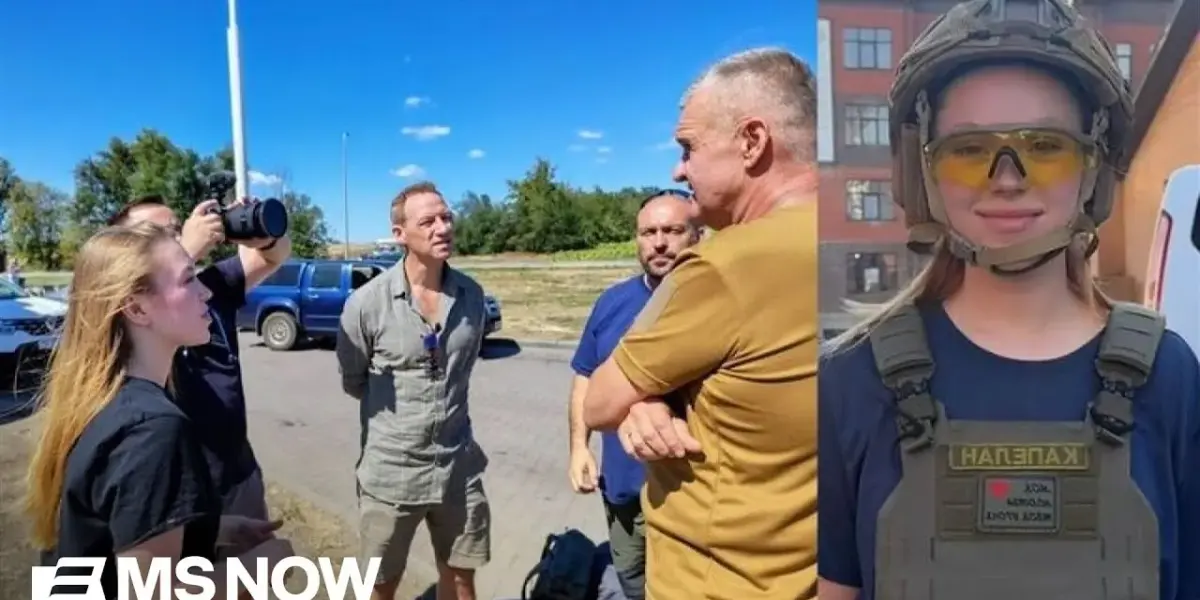
Despite the profound loss of a typical childhood, Nastya, now 19, has maintained a remarkably positive outlook. She is currently pursuing her education in the United Kingdom, studying politics and international relations at the University of Sheffield. Last summer, during her last visit to Ukraine, she served as a military translator for a group of British journalists near the front lines, mirroring her father’s service.
A Passion for Politics, A Drive to Serve
Nastya’s interest in politics stems from her upbringing. “I feel like because of my upbringing and lived in a family where I always was involved in conflict. My dad went to the front line when I was eight,” she said. She recalled monitoring the news during Ukraine’s first revolution in 2014 and felt compelled to act when the conflict escalated.
“I was like, this is my moment. This is something that I want to do. And I don’t want other people to feel something that I felt in my childhood,” Nastya stated. “And especially as I mentioned, like when I was 15, I kind of lost my childhood in the sense that I’ve been involved in the war in an active conflict.”
Reunions and Reflections
Velshi inquired about her father’s well-being. Nastya shared that he had recently retired from the army due to severe health issues exacerbated by his long periods on the front lines. “I’m really really happy that he’s back you know he’s with our family and And it finally feels nice to reunite,” she said, though she expressed a desire to return home to see him in person, currently balancing her studies in Sheffield.
Reflecting on the prolonged nature of the war, Nastya acknowledged the challenges. “The last time I’ve been in Ukraine, it was six months ago. At that moment, I felt and safe this the front line is getting closer and closer,” she noted. “When I went to the front line and it was not that far it literally took 40 minutes in the car to get there. I’ve been praying all the way long.” She remains optimistic but recognizes the precarious situation, especially in her hometown.
A Town’s Identity, A Young Woman’s Future
The conversation also touched upon the renaming of her hometown from Perchotravhesk to Shoktarsk. Nastya found the change amusing, understanding the desire to shed Soviet and Russian roots but noting the linguistic irony. Perchotravhesk translates to “First of May,” while Shoktarsk means “mining town,” reflecting the town’s industrial heritage.
Velshi showed a picture of Nastya in tactical gear, prompting a discussion about her experience at the front lines as a translator. She recounted convincing her father to allow her to go, an experience that solidified her understanding of the conflict and influenced her path.
The interview concluded with Nastya offering a parting wish in Ukrainian, “May you have peaceful skies,” a poignant reminder of the ongoing struggle and her enduring hope for peace.
What’s Next
As the war continues to evolve, attention will remain focused on the international response, the strain on global resources, and the resilience of individuals like Nastya Shpot. Her pursuit of education in politics and international relations signals a commitment to contributing to Ukraine’s future and potentially shaping global responses to conflict. The path forward for Ukraine and the broader geopolitical landscape remains uncertain, with continued vigilance and support being crucial.
Source: Ali Velshi reunites with Nastya Shpot, a former refugee from war-torn Ukraine (YouTube)

Related Articles

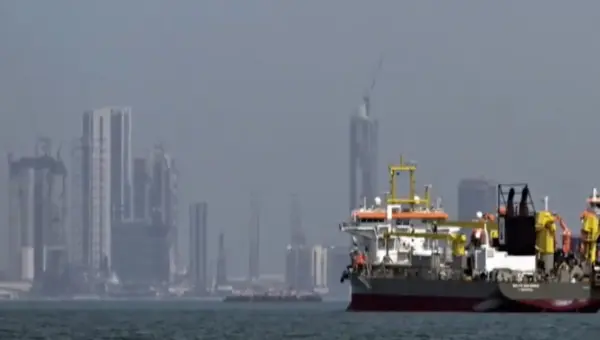
Iran Blocks China Ships, Exposing Beijing’s Weak Grip
Iran's recent decision to block Chinese ships at the Strait of Hormuz is exposing the limits of Beijing's influence in the Middle East. This action is causing delays and cancellations for Chinese manufacturers, turning a perceived geopolitical win into an economic strain.
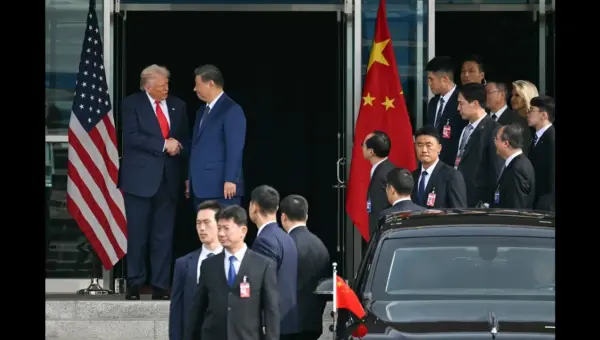
Trump’s “Walk Away” Tactic Signals Tougher Stance on China
Retired Air Force Brigadier General David Stillwell believes President Trump's strategy of being willing to walk away from negotiations puts pressure on China. This tactic, combined with US global actions and strengthened alliances, signals a more assertive American foreign policy.

China Fights Back: Tariffs Loom Ahead of Trump Visit
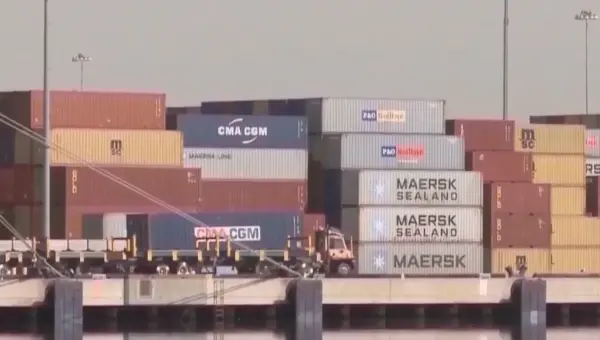
China is retaliating against US trade investigations that could lead to higher tariffs. This escalating trade tension occurs just before a planned visit by President Trump. The dispute involves accusations of unfair practices and impacts global supply chains.