Ukraine Warns: World Unprepared for Drone Warfare Escalation
Ukraine has been warning for years that the world is unprepared for the rapid advancement and potential mass deployment of high-tech attack drones by Russia and its allies. As drone warfare intensifies in global conflicts, the transcript highlights that innovation in this area is outpacing Western defense capabilities, posing a significant threat to global security.


Ukraine Sounds Alarm on Global Drone Warfare Preparedness
As global attention focuses on the escalating tensions between Israel, the United States, and Iran, a familiar and ominous threat is unfolding on the digital battlefields: the widespread use of Shahed-type drones. Videos of aerial assaults on cities like Tel Aviv and Beirut, showcasing exploding munitions and mid-air collisions, are saturating social media. For Ukraine, however, these images are not a distant concern but a stark daily reality, a grim testament to a conflict that has profoundly integrated drone warfare into its operations.
The Unseen Threat: Ukraine’s Long-Standing Warning
For years, Ukrainian officials and analysts have been sounding a persistent warning: the world is ill-equipped for the potential consequences of nations like Russia, or its allies, unleashing vast arsenals of advanced attack drones. The potential targets are not limited to immediate neighbors, but extend to strategically vital regions such as the Baltics, Taiwan, and South Korea, countries that could find themselves on the front lines of a new kind of conflict. The implications, however, extend far beyond these specific regions, suggesting a global vulnerability to this rapidly evolving form of warfare.
Innovation Outpacing Defense: The Drone Arms Race
In the latest episode of “Ukraine This Week,” a critical analysis highlights how Russia and its affiliated entities have demonstrated a remarkable capacity for rapid innovation in the realm of suicide drones. This advancement appears to have significantly outpaced the West’s ability to develop and deploy adequate defensive countermeasures. The transcript points to an “almost bottomless shared supply” of these high-tech weapons, underscoring the scale and sustainability of this threat.
“For Ukrainians, this is an all too familiar site. These scenes play out across Ukraine on nearly a daily basis. And for years, Ukraine has been warning the world is not prepared for the day that Russia or one of its allies turns their almost bottomless shared supply of high-tech attack drones on the Baltics, Taiwan, or South Korea.”
The development of kamikaze or suicide drones, capable of precise strikes and often difficult to intercept, represents a paradigm shift in military strategy. These weapons are relatively low-cost to produce in comparison to traditional military hardware, allowing for mass deployment and saturation attacks that can overwhelm existing air defense systems. The transcript’s emphasis on the speed of innovation suggests that defensive technologies are struggling to keep pace, creating a dangerous imbalance.
Broader Implications for Global Security
The insights from the “Ukraine This Week” analysis carry significant weight for the future of global security. The proliferation of affordable and effective drone technology lowers the barrier to entry for state and non-state actors seeking to project power and conduct asymmetric warfare. This democratization of advanced weaponry could lead to increased regional instability and a heightened risk of conflict, as the cost and complexity of launching drone attacks diminish.
The strategic advantage gained by nations that master drone technology, particularly in terms of intelligence, surveillance, reconnaissance, and direct attack capabilities, is undeniable. The transcript’s focus on Russia and its allies suggests a coordinated effort to leverage this technology, potentially creating new geopolitical fault lines. The West’s struggle to match this pace in defense innovation raises questions about its preparedness for future conflicts that may increasingly rely on unmanned aerial systems.
The Future of Warfare: A Drone-Dominated Landscape?
The current situation, as described in the transcript, points towards a future where drone warfare is not a niche capability but a central component of military operations. The ease of deployment, the psychological impact of constant aerial threats, and the potential to inflict significant damage with relatively inexpensive assets make drones an attractive, albeit terrifying, tool for modern militaries. The challenge for international policymakers and defense strategists lies in anticipating and mitigating the risks associated with this technological leap.
The effectiveness of these drones in current conflicts, coupled with the ongoing innovation, suggests that the world must urgently re-evaluate its defense strategies. The lessons learned from Ukraine, and now amplified by the events in the Middle East, underscore the critical need for enhanced drone detection, interception, and counter-drone technologies. Failure to adapt could leave nations vulnerable to asymmetric attacks, with potentially devastating consequences.
What’s Next: Adapting to the Drone Age
The ongoing conflict and the rapid evolution of drone technology necessitate a proactive global response. International cooperation on developing robust defense mechanisms, establishing clear regulations for drone warfare, and sharing intelligence on emerging threats will be crucial. The world must move beyond acknowledging the problem and actively invest in solutions to ensure preparedness for the escalating reality of drone warfare. The coming months will likely see a significant push for advancements in counter-drone technology and a re-evaluation of military doctrines in light of these developments.
Source: The world isn’t ready for drone warfare | Ukraine This Week (YouTube)

Related Articles

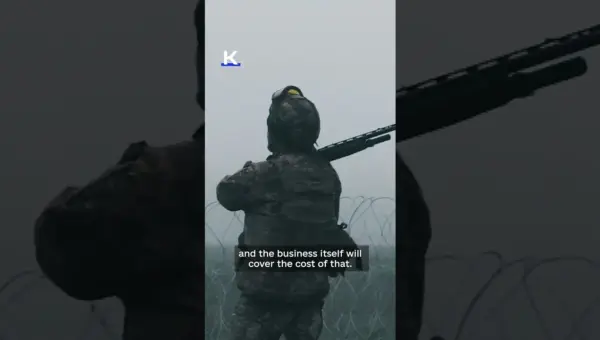
Ukraine Empowers Businesses with Private Air Defense Units
Ukraine is expanding its air defense capabilities by allowing private businesses in critical sectors to form their own defense units. This initiative, building on a pilot program, trains employees to intercept drones and missiles using non-frontline military equipment, aiming to bolster resilience against Russian attacks.


AI Revolutionizes Warfare: US & Israel Strike Iran with Unprecedented Speed
Artificial intelligence is revolutionizing warfare, as demonstrated by recent US and Israeli strikes on Iran. AI has drastically accelerated target identification and decision-making, compressing the traditional "kill chain" from months to minutes. However, this rapid integration raises significant ethical concerns regarding autonomous weapons and human oversight.


Dutch Minister Pledges Unwavering Support for Ukraine
The Netherlands has reaffirmed its unwavering commitment to Ukraine, pledging continued military and non-military support. During a visit to Kyiv, Dutch officials discussed crucial aid, technological cooperation, and the pursuit of accountability for war crimes. The Dutch minister emphasized that Ukraine's fight is for European values.