Ukraine War: Russian Offensive Falters, Support Holds Firm
Russia's spring offensive appears to be faltering, with Ukraine demonstrating resilience and tactical prowess. Historical parallels to past conflicts highlight Russia's logistical struggles and conduct, while international support for Ukraine remains strong. The evolving landscape of modern warfare, particularly drone technology, is being shaped by lessons learned on the Ukrainian battlefield.

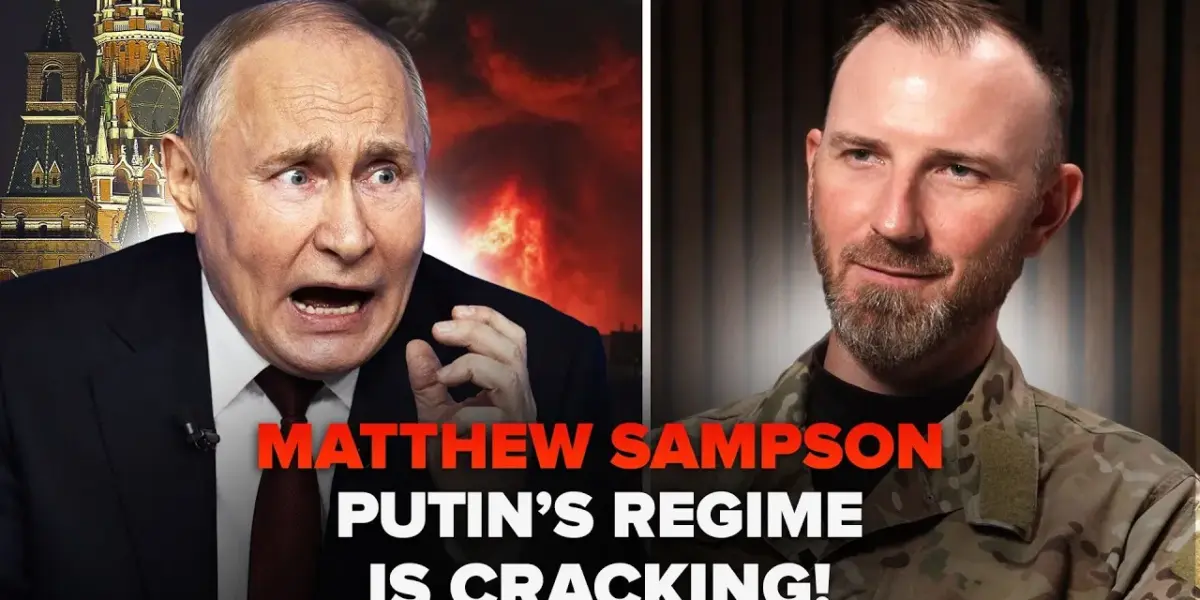
Russia’s Spring Offensive Shows Signs of Failure Amidst Ukrainian Resilience
Reports from the front lines suggest that Russia’s anticipated spring offensive is faltering even before its full commencement. This development highlights the enduring strength and adaptability of the Ukrainian military, even for soldiers who have been engaged in continuous combat for extended periods. Despite facing significant challenges, including the widespread use of drones by Russian forces, Ukraine continues to resist, often preventing Russian advances and sometimes even regaining lost territory.
Strategic Context: Shifting Front Lines and Resource Diversion
In the southern regions, Ukrainian forces are actively conducting counterattacks near Zaporizhzhia and Dnipropetrovsk. According to the American Institute for the Study of War, these operations are forcing Russia to redeploy troops away from the Donetsk region. This strategic maneuvering is significant because it strains Russian resources and command. Since late January, Ukraine has reportedly reclaimed more territory than Russia captured in February, indicating a shift in battlefield momentum.
Ukraine is adept at identifying and exploiting Russian weaknesses, compelling Moscow to fight on terms unfavorable to them. This approach involves creative tactics and the effective use of available resources, often in coordination with Western partners. Historically, Russia has struggled with logistics, a weakness evident in past conflicts like World War II. This persistent challenge hampers their ability to supply front-line positions effectively, contributing to battlefield failures.
Historical Parallels: Echoes of Past Conflicts
The current conflict draws parallels to historical events, particularly the Soviet-Afghan War of the 1980s. During that decade-long engagement, the Soviet leadership faced declining domestic support as casualties mounted and the war dragged on. Similarly, Russia’s initial objectives in Ukraine, which were expected to be achieved quickly, have not materialized. Over four years later, Russia holds limited gains, and public support appears to be waning, mirroring the discontent seen in the Soviet era.
The atrocities witnessed in Bucha, Ukraine, four years ago, also evoke grim historical comparisons. The discovery of mass graves containing civilians, including women and children, echoes documented Soviet actions during the invasion of Afghanistan in the 1980s. Former U.S. sniper and veteran Matthew Samson, who has spent over 600 days on the front lines in Ukraine, draws direct parallels between these events and the conduct of Russian forces. He notes that this pattern of violence against civilians is reminiscent of actions by Nazi Germany and Imperial Japan, highlighting a disturbing consistency in Russian military conduct when facing resistance.
Diplomatic Landscape: Negotiation Stalemate and Global Support
Despite the ongoing conflict, discussions about peace negotiations persist. However, Russia currently shows no intention of agreeing to terms that would lead to a genuine cessation of hostilities. While a degree of fatigue regarding the war exists among the American public, there remains a strong consensus that peace at any cost is unacceptable. The willingness of both Ukraine and the United States to negotiate, contrasted with Russia’s apparent inflexibility, strengthens international resolve to support Ukraine.
The perception in the U.S. Congress is that anything which weakens Russia is a priority. This sentiment drives broad international support for Ukraine, with over 40 countries providing military, financial, and humanitarian aid. This global coalition aims to counter Russia’s aggression and influence, viewing Russia as an adversary to the broader international order.
Strategic Importance of Donbas and Future Outlook
The Donbas region remains a strategically critical area, particularly for political reasons. Russia’s long-standing objective to fully occupy this territory, which has seen fighting since 2014, has proven difficult to achieve. Reports from the region indicate that Russia is not providing adequate aid or support to the local population, suggesting their presence is more about aggression than liberation.
Ukrainian soldiers are committed to defending their territory, aiming to restore the country’s borders as recognized in 1991. The idea of ceding territory without a fight is strongly opposed by those on the front lines. The conflict underscores the importance of international support for Ukraine’s efforts to maintain its sovereignty and secure a free and independent future.
Concerns Regarding NATO and Global Security
While concerns exist about Russia potentially targeting NATO countries, particularly in the Baltic states, experts suggest such an operation would likely fail. Countries like Estonia, though smaller than Russia, possess a strong defensive mindset. The Estonian military and population are prepared to resist fiercely, a determination that serves as a significant deterrent.
The United States has demonstrated its capacity to engage in global security operations simultaneously, as seen during World War II. This capability reassures allies that the U.S. remains committed to its treaty obligations and global stability. Despite current tensions, the U.S. is expected to uphold its commitments to NATO and its allies, acting as a significant force in any collective defense action.
The Evolving Nature of Modern Warfare
Ukraine’s experience in modern warfare, particularly with drone technology, is significantly impacting global military strategies. Innovations and lessons learned on the Ukrainian battlefield are being shared with Western partners, influencing the development of future combat capabilities. Drone warfare, in particular, has become a critical component, with ongoing advancements in technology and tactics. Partnerships between Ukraine, the U.S., and other Western nations are crucial for developing more effective and efficient drone systems, shaping the future of warfare worldwide.
Source: ⚡️Putin has lost! Russians can't endure the war. The Kremlin is losing its grip on power (YouTube)

Related Articles
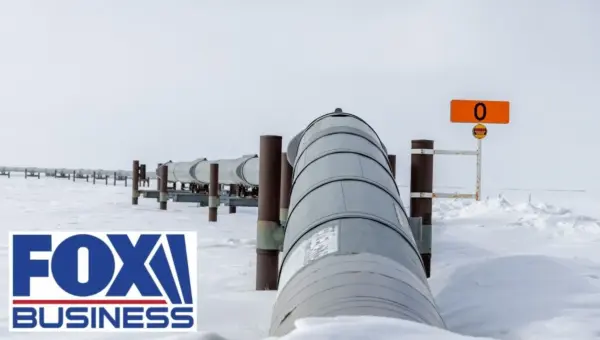
Alaska Eyes LNG Pipeline to Secure Global Energy Markets
Alaska is advancing a major liquefied natural gas (LNG) pipeline project to tap its vast reserves. Aimed at providing a secure energy supply to Asian allies, the privately funded initiative seeks to bypass volatile global shipping routes and potentially lower domestic energy costs.
Israel Strikes Iran: Escalation Ignites Mideast Tensions
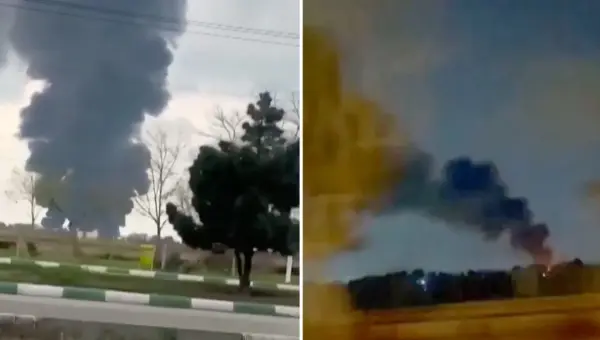
Black smoke was seen near an Iranian airport after reported airstrikes, fueling fears of wider conflict. Israel claims to have hit over 70 Iranian targets, while diplomatic talks appear to be faltering. This escalation marks a dangerous increase in direct confrontation in the Middle East.
Iran’s Strait of Hormuz Threats Offer Chance to Reshape Middle East
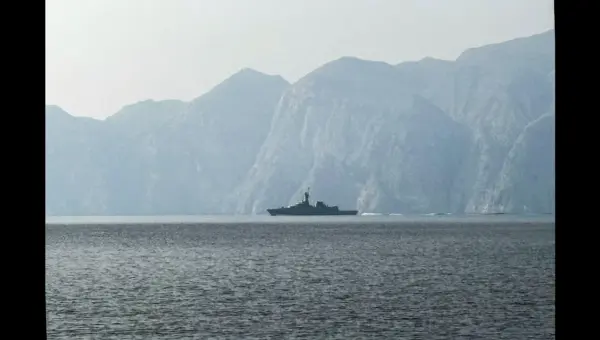
Iran's aggressive tactics in the Strait of Hormuz, while threatening global energy supplies, present a unique opportunity to reshape Middle East dynamics. Analyst David Wormser suggests that new energy routes and strategic island seizures could fundamentally alter regional power structures and trade.