Ukraine War Frontline: Four Years of Shifting Battlegrounds
The frontline in Ukraine has undergone significant shifts over the four years since Russia's full-scale invasion, evolving from rapid advances to a protracted war of attrition. Key territorial gains and losses, including Ukraine's successful counteroffensives in Kharkiv and Kherson, have reshaped the conflict landscape.

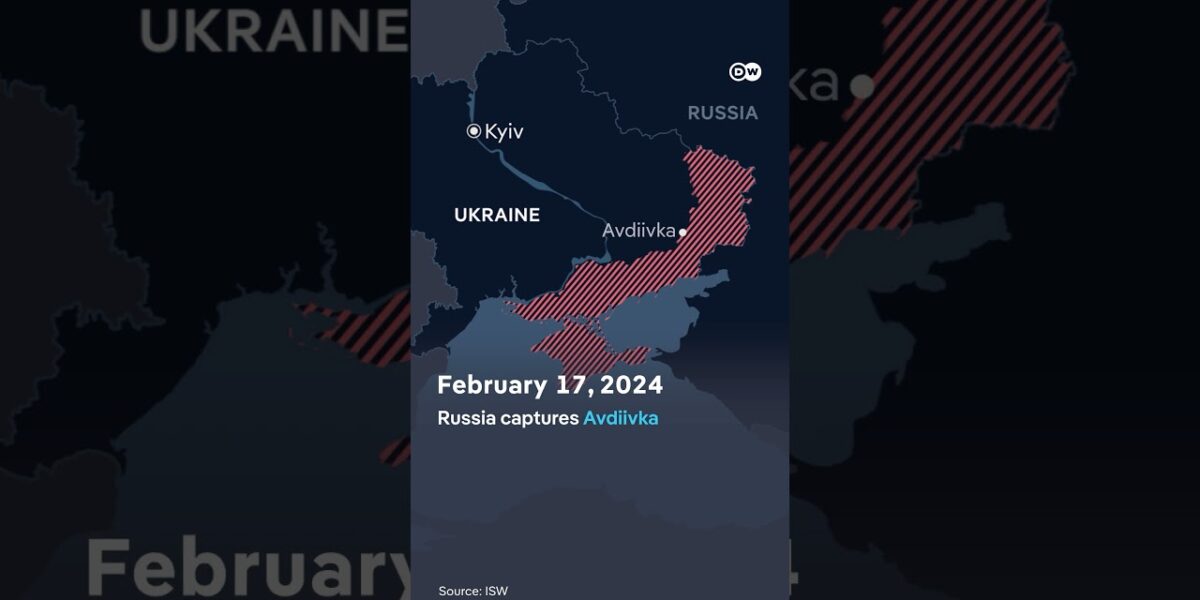
Ukraine War Frontline: Four Years of Shifting Battlegrounds
Berlin, Germany – Over the past four years since Russia’s full-scale invasion, the frontline in Ukraine has undergone significant and often brutal shifts, transforming the landscape of the conflict and impacting millions of lives. What began as an apparent rapid assault by Russian forces has evolved into a protracted war of attrition, marked by territorial gains and losses for both sides, and a stark illustration of modern warfare’s complexities.
Initial Invasion and Rapid Advance
In the initial days and weeks following the February 24, 2022, invasion, Russian forces attempted a multi-pronged assault. The primary objectives appeared to be the rapid capture of Kyiv, the ousting of the Ukrainian government, and the occupation of large swathes of eastern and southern Ukraine. Russian troops advanced from the north towards the capital, from the east into the Donbas region, and from Crimea northward into the Kherson and Zaporizhzhia oblasts. Early on, there were significant territorial gains for Russia, particularly in the south, where they secured a land bridge to Crimea and occupied key cities like Kherson.
Ukrainian Resistance and Russian Retreat from Kyiv
However, the anticipated swift Russian victory did not materialize. Fierce Ukrainian resistance, bolstered by unexpected resilience and effective tactics, stalled the advance on Kyiv. Ukrainian forces managed to inflict heavy casualties on Russian troops and disrupt their supply lines. By late March and early April 2022, Russian forces began a significant withdrawal from the Kyiv, Chernihiv, and Sumy regions in the north, acknowledging the failure to achieve their initial objectives in these areas. This marked a critical turning point, demonstrating Ukraine’s capacity to defend its territory and forcing Russia to refocus its efforts.
The Battle for the East and South
Following the withdrawal from the north, Russia concentrated its military might on securing and expanding its control over the Donbas region (Donetsk and Luhansk oblasts) and consolidating its hold on the southern territories. This phase of the war became characterized by intense artillery duels, grinding infantry battles, and the slow, incremental capture of towns and cities. Mariupol, a strategic port city in Donetsk, became a symbol of this brutal phase, enduring a lengthy and devastating siege before eventually falling to Russian forces. Sievierodonetsk and Lysychansk in Luhansk also saw protracted and destructive fighting before Russian control was established.
Ukrainian Counteroffensives and Recaptured Territories
Throughout 2022, Ukraine launched significant counteroffensives that dramatically altered the frontline. In September 2022, Ukrainian forces achieved a stunning breakthrough in the Kharkiv region, liberating thousands of square kilometers of territory that had been under Russian occupation since the early days of the invasion. This offensive recaptured key cities like Izium and Kupiansk, severely disrupting Russian logistics and command structures in the east. Later in the autumn of 2022, Ukraine launched another successful offensive in the south, culminating in the liberation of Kherson city in November. This was a major symbolic and strategic victory for Ukraine, as it was the only regional capital captured by Russia since the full-scale invasion began.
The Stalemate and the War of Attrition
By late 2022 and into 2023, the frontline largely stabilized, particularly in the east and south. The conflict evolved into a grinding war of attrition, characterized by intense positional warfare, heavy reliance on artillery, and the extensive use of drones. Both sides engaged in intense fighting for relatively small territorial gains, with battles often focusing on strategically important villages or high ground. The Bakhmut salient in Donetsk became a focal point for months of brutal fighting, resulting in immense casualties for both sides, though Russia eventually claimed control of the destroyed city in May 2023.
The 2023 Ukrainian Counteroffensive and Limited Success
Ukraine launched a highly anticipated counteroffensive in the summer of 2023, aiming to break through Russian lines in the south and east and sever the land bridge to Crimea. While Ukrainian forces made some tactical gains and liberated several villages, the offensive did not achieve the strategic breakthroughs initially hoped for. The heavily fortified Russian defensive lines, coupled with challenges in air superiority and armored warfare, proved difficult to overcome. The frontline in this sector saw only minor shifts, highlighting the entrenched nature of the conflict.
Current State of the Frontline
As of early 2024, the frontline remains largely static, stretching over 1,000 kilometers across eastern and southern Ukraine. Both sides are engaged in defensive operations, seeking to hold their positions while probing for weaknesses. Russia has recently intensified its offensive operations in certain sectors, particularly around Avdiivka in Donetsk, which fell to Russian forces in February 2024 after a prolonged and costly battle. Ukraine, meanwhile, continues to seek advanced weaponry and international support to bolster its defenses and prepare for future operations. The conflict has settled into a brutal rhythm of artillery exchanges, drone warfare, and limited ground assaults, with the frontlines reflecting the immense cost and difficulty of achieving decisive breakthroughs.
Broader Implications and Future Outlook
The shifting frontline over the past four years is more than just a geographical map of territorial control; it represents the human cost of the war, the resilience of the Ukrainian people, and the geopolitical ramifications of Russia’s aggression. The prolonged nature of the conflict has had devastating consequences for Ukraine’s infrastructure, economy, and population, with millions displaced or forced to flee. Internationally, the war has reshaped alliances, triggered significant economic repercussions, and underscored the fragility of global security. Looking ahead, the ability of both sides to sustain their military efforts, secure international support, and adapt to evolving battlefield dynamics will be crucial. The coming months will likely see continued intense fighting, with the potential for further localized shifts along the front, but decisive breakthroughs remain a significant challenge for either side.
Source: The shift of the front line between Ukraine and Russia over the last four years | DW News (YouTube)

Related Articles


Trump: Iran Strikes Ahead of Schedule, Expects ‘Great Deal for World’
Three U.S. service members have been killed amid escalating conflict with Iran, President Trump confirmed. He stated that strikes are ahead of schedule, with senior Iranian leaders killed, and expressed optimism for a "great deal for the world" despite ongoing talks with Iranian officials.


Trump’s Putin Stance: US Strategy and Global Implications
Analysis suggests Donald Trump's approach to the Ukraine war involves pressuring Kyiv, but US involvement is crucial for resolution. China's influence and the 'MAGA' agenda's geopolitical implications are key factors.


US Strikes Iran: Mounk and Fukuyama Discuss Unpredictable Conflict
Leading political scientists Yascha Mounk and Francis Fukuyama analyze the recent US strikes on Iran, warning of unpredictable outcomes and internal instability. They question the objectives of the "war of choice" and its potential to destabilize the region, while also discussing the shifting global perceptions of Israel.