Ukraine War: Four Years On, Resilience and Lingering Challenges
Four years into Russia's full-scale invasion, Ukraine observes a somber anniversary marked by defiance, resilience, and continued calls for international support. European leaders gathered in Kyiv to show solidarity as Ukrainians grapple with immense loss and the ongoing humanitarian crisis, while political realities and strategic challenges shape the path forward.

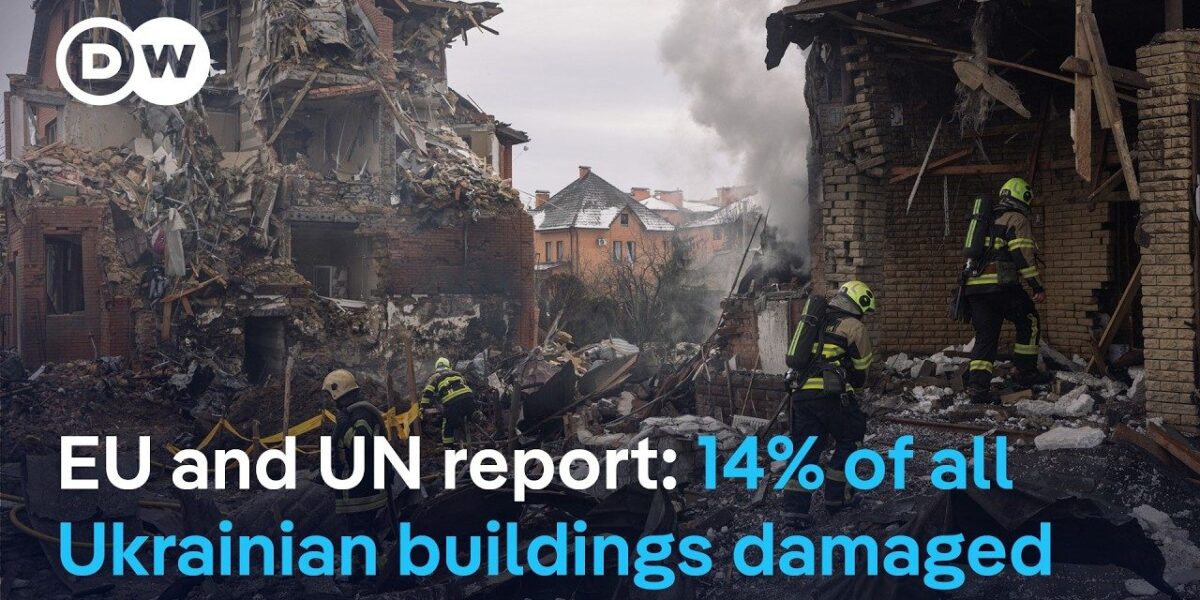
Ukraine Marks Four Years of War Amidst Defiance and Stalled Peace Efforts
Kyiv, Ukraine – As Ukraine and its allies marked the fourth anniversary of Russia’s full-scale invasion, the nation stands unbroken but faces a protracted conflict that has reshaped the international order. European leaders convened in Kyiv to show solidarity, while Ukrainians observed the somber milestone with reflections on immense loss and unwavering determination. President Volodymyr Zelenskyy declared that Russia had failed to achieve its objectives, vowing to secure peace and justice, even as Moscow reiterated its commitment to its war aims.
Echoes of Loss and Unyielding Resolve in Kyiv
A profound silence fell over Kyiv as citizens paused to commemorate four years since the full-scale invasion. The solemn occasion was marked by services across Ukraine, honoring the tens of thousands lost on the front lines and in brutal early attacks, such as those in Bucha. “My son, who died during the war, is buried here. And it’s not just today. My wife and I have been coming here every single day for the last four years,” shared one resident, encapsulating the personal toll of the ongoing conflict.
President Zelenskyy addressed the nation with a message of defiance: “Putin has not achieved his goals. He did not break the Ukrainians. He did not win this war. We have preserved Ukraine and we will do everything to achieve peace and to ensure there is justice.” His words resonated with a populace that has endured unimaginable hardship.
A Nation at War: Ukrainian Voices and Political Realities
Beyond official commemorations, many Ukrainians observed the anniversary privately, grappling with the daily realities of war. “The world doesn’t hear us at all. We’re here alone in our suffering. Our homes are being destroyed every day. Children are dying every day and no one hears us,” expressed one citizen, highlighting a sense of isolation amidst global attention. Another emphasized the importance of national unity and territorial integrity: “Under no circumstances should we give up an inch of Ukrainian territory. We saw what happened in Crimea when everyone was silent and the invader’s appetite for other territories grew.”
Kira Rudik, a member of the Ukrainian opposition Holos Party, discussed the political landscape. “Even if we had some alternative candidates to President Zelenskyy, it wouldn’t mean anything because according to Ukrainian constitution and laws, we cannot hold elections during martial law,” she explained. Rudik acknowledged criticisms regarding corruption within Zelenskyy’s circle but stressed the president’s essential role in national survival. “The credibility of the president is essential for our country’s survival,” she stated.
Ukraine’s Strategic Assets and the ‘Coalition of the Willing’
Rudik outlined Ukraine’s key strengths: “Ukrainian army first and foremost that was completely underestimated both by Russia and by our western partners. We have a strong army that is exhausted but is still fighting and still is able to surprise so many people throughout the world.” She also pointed to technological advancements and high domestic support as crucial factors.
Addressing international support, Rudik noted the importance of the ‘Coalition of the Willing’ meeting in Kyiv. “We need Europe in negotiations. We do what we can to involve Europeans as much as possible and we count on your leadership in all this negotiation process,” President Zelenskyy appealed. Rudik urged Europe to increase its efforts, particularly concerning sanctions and military aid. “Europe is definitely trying to do their best. Obviously, there are many things that we would expect be done more starting from the sanctions and making sure that they actually work,” she said, highlighting the need to sanction all shadow fleet ships and fully confiscate Russian assets held in Europe.
European Support: Strengths and Stumbling Blocks
While acknowledging Europe’s efforts, Rudik expressed frustration over the pace of action. “We also would wish to have more support in terms of military and defense items,” she stated, emphasizing the need for modern weaponry rather than obsolete technologies. She pointed to the challenge of achieving consensus among 27 EU member states but remained hopeful for future progress.
The rise of nationalist and pro-Russian sentiments in some European countries, such as Slovakia and Hungary, was identified as a concern. “It’s very painful that we know that almost on any common decision by European states leadership of Hungary and leadership of Slovakia will come and and try to block that,” Rudik commented, adding that such movements pose a threat not only to Ukraine’s support but also to the unity of the European Union.
Humanitarian Crisis: Energy Attacks and Displacement
Scott Craig of the International Federation of Red Cross and Red Crescent Societies described the devastating impact of Russia’s attacks on Ukraine’s energy infrastructure. “The impact and effect of the attacks on the energy systems in the country are absolutely devastating for people,” he reported. “People are cold. They’re tired. They’re left in the dark. There’s no energy, there’s no electricity for, you know, sometimes 22 hours a day, sometimes more.”
He highlighted the critical situation for internally displaced persons (IDPs), estimating nearly 3.8 million within Ukraine. “Many of whom are you know, really struggling to find any place to live,” Craig said. The Red Cross is involved in rehabilitating homes and providing temporary shelters, but the need far outstrips available resources.
Germany’s Evolving Stance and the Path Forward
German Green Party MP Sara Nanni, a member of the Bundestag’s defense committee, reflected on her fourth visit to Ukraine. “Every time I come to Ukraine, I come back to Germany with more hope. But it’s true that this winter has been specifically hard for the Ukrainian population,” she observed. Nanni admitted that Germany’s initial response of sending 5,000 helmets in 2022 was insufficient and that the government was too slow in providing military aid.
“If we maintain the level of support, it will truly not be enough. And that is because the United States are doing almost nothing here on the ground when it comes to military support,” Nanni stated, emphasizing Europe’s increased financial and military burden. She advocated for greater investment in Ukraine’s combat-proven arms industry. “Ukraine should not be defeated because lack of money. We have enough resources in Europe and Germany is a very rich country,” she asserted.
Looking Ahead: Resilience Amidst Uncertainty
As the war enters its fifth year, the outlook remains challenging. “We will keep fighting. If Russia wouldn’t stop that, I can tell you for sure. We will probably become more exhausted and there will be more funerals to attend,” Rudik projected. However, she added, “I’m sure that over the next year, we will again surprise you many many times in the abilities to um to kick where it hurts our enemies.” Despite the immense hardship and emotional toll, the determination to fight for survival and peace persists, underscoring Ukraine’s enduring resilience.
Source: How has Ukraine changed since the last anniversary of the war? | DW News (YouTube)

Related Articles
Trump’s Putin Stance: US Strategy and Global Implications
Analysis suggests Donald Trump's approach to the Ukraine war involves pressuring Kyiv, but US involvement is crucial for resolution. China's influence and the 'MAGA' agenda's geopolitical implications are key factors.

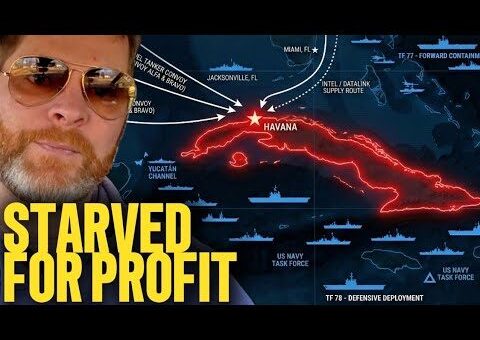
US Accused of Manufacturing Cuba Crisis for Wall Street Profit
The United States is accused of manufacturing a severe humanitarian crisis in Cuba by cutting off fuel supplies, aiming to destabilize the government and create a profitable market for American oil corporations. Critics decry this strategy as a "mafia shakeddown" that prioritizes Wall Street profits over human well-being, drawing parallels to domestic U.S. policies.

Melania Trump’s Quiet Diplomacy on Ukraine War
Former First Lady Melania Trump has emerged as an influential, though unofficial, voice on the Ukraine war, reportedly shaping her husband's perceptions and engaging directly on humanitarian issues like the deportation of Ukrainian children. Her advocacy, possibly influenced by her European background, has drawn international attention and sparked unique reactions, including widespread social media support from Ukrainians.