Ukraine War: Four Years of Devastation and Resilience
Four years into Russia's full-scale invasion, Ukraine commemorates the immense human cost of the conflict. Despite initial expectations of a swift Russian victory, Ukrainian resistance has endured, leading to significant territorial shifts and a heavy toll on both soldiers and civilians. Hopes for diplomatic resolution remain low as the nation braces for continued fighting.

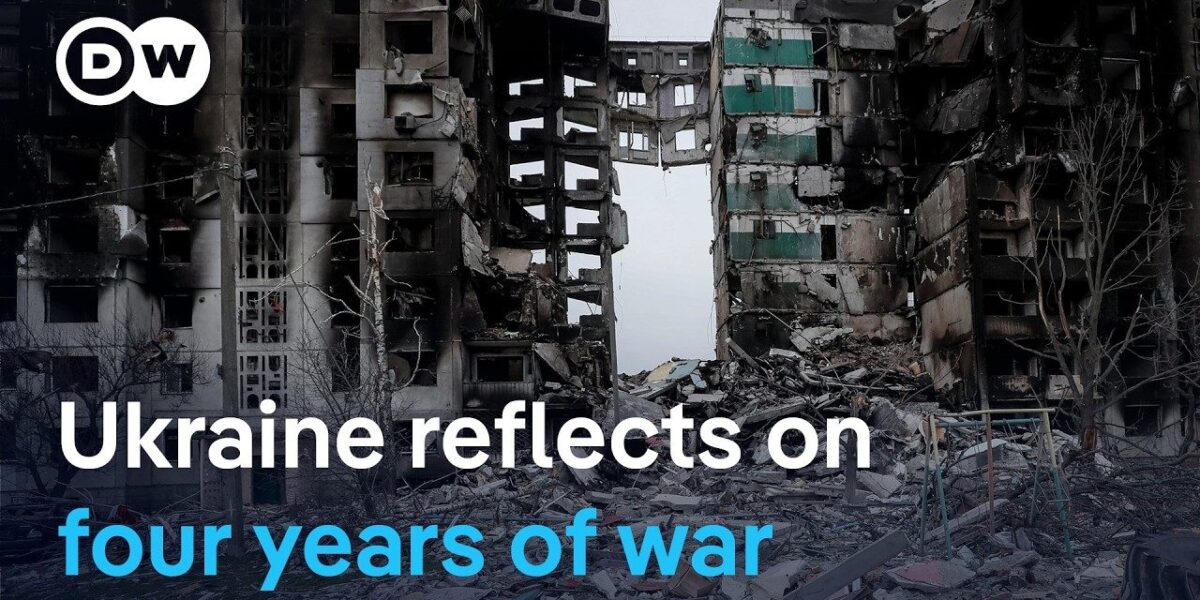
Ukraine War Marks Four Grim Years: A Look Back at the Human Toll
Kyiv, Ukraine – On the fourth anniversary of Russia’s full-scale invasion, Ukraine is commemorating the immense human cost of a conflict that has reshaped Europe. In the pre-dawn hours, the nation remembers the thousands of soldiers and civilians who have perished since Russian forces surged across the border. The Kremlin’s initial expectation of a swift victory, capturing Kyiv within three days, has been profoundly countered by Ukraine’s unwavering determination to defend its sovereignty, marking Europe’s bloodiest conflict since World War II.
Early Battles and Atrocities
The invasion commenced with a multi-pronged assault from land and air, with Russian tanks crossing the Ukrainian border shortly thereafter. Within ten days, Russian troops reached the suburbs of Kyiv, a mere 20 kilometers from President Zelenskyy’s office. Despite the proximity of the fighting, which brought the sound of artillery fire to the city’s edge, Russian forces found their advance stalled by underestimated Ukrainian resistance and overstretched logistics. By early April, Ukraine had successfully pushed Russian troops out of the Kyiv region. The withdrawal of Russian forces revealed the first evidence of widespread atrocities, particularly in Bucha, a stark precursor to the horrors that would unfold throughout the war.
Gains and Stalemate in the East and South
Following the liberation of Kyiv, Ukrainian forces launched significant counteroffensives. In September, Ukraine reclaimed thousands of square kilometers of territory in the south and east of the country. While Ukraine’s autumn offensive was characterized by speed and aggression, Russia adopted a strategy of slow, incremental advances, primarily in the east. After a brutal ten-month siege, described as a “meat grinder,” Russia eventually captured the devastated city of Bakhmut, with estimates suggesting over 60,000 Russian soldiers were killed or wounded in the process.
The Long-Awaited Counteroffensive and Shifting Frontlines
After months of anticipation, during which Russia fortified its defenses and laid extensive minefields, Ukraine initiated its long-awaited counteroffensive. The results, however, were modest, with Ukraine managing to shift the front lines by only a few hundred kilometers. In an unexpected turn of events, Ukraine launched strikes on Russian soil. With the front lines in the south and east heavily entrenched and mined, Ukraine targeted areas where Moscow least expected an attack. Within days, Ukraine had captured the town of Sudzha and surrounding villages in Russia’s Kursk region.
Drone Warfare and Russian Recapture
Beginning in early January 2025, Ukraine intensified its long-range drone attacks targeting Russian oil facilities. The objective was twofold: to disrupt fuel supplies to the Russian military and to diminish the Kremlin’s export revenues. By mid-March 2025, Russian forces had recaptured Sudzha, the largest Russian town previously occupied by Ukraine in the Kursk region. The remaining Ukrainian-controlled territory in Kursk was subsequently relinquished in what many Ukrainian soldiers criticized as a chaotic retreat.
Russian Advances in 2025 and Winter Hardships
Throughout the summer of 2025, Russian troops made steady, albeit slow, territorial gains, primarily in the southern Zaporizhzhia region. By late July, Russian forces advanced into the Dnipropetrovsk region, occupying the village of Maliivka. Analysts at the Institute for the Study of War estimated that Russia occupied an additional 4,831 square kilometers of Ukrainian territory over the course of 2025. Russian missile attacks on Ukraine’s power and heating infrastructure during the winter of 2026 had a particularly devastating impact. For hundreds of thousands of Kyiv residents, power outages extended for days rather than hours, disrupting public transportation and leaving many without heat until the spring.
Renewed Ukrainian Gains and Strategic Targeting
In a swift turnaround, Ukraine achieved its fastest battlefield gains since 2023, recapturing the village of Verbove and surrounding areas in the Dnipropetrovsk region within days. Analysts attribute these advances, in part, to recent efforts to disrupt Russian forces’ access to Starlink satellite communications. Despite these successes, neither side officially releases casualty figures. However, analysts at the Center for Strategic and International Studies estimate that after four years of war, over 100,000 Ukrainian soldiers and 275,000 Russian soldiers have been killed in action. Russia currently occupies approximately 20% of Ukrainian territory.
The Human and Psychological Toll
Karolina Chimoy, reporting from Kyiv, highlighted the profound social, economic, and psychological consequences of the four-year conflict. “People are tired,” she stated, describing the constant threat of air raids, even in major cities far from the front lines. Despite this exhaustion, the Ukrainian people remain resolute, unwilling to cede territory or compromise their sovereignty. President Zelenskyy has affirmed Ukraine’s readiness to continue fighting for years if necessary, a sentiment echoed by the populace.
European Solidarity and Diplomatic Impasse
The fourth anniversary saw significant symbolic support, with the Presidents of the European Commission and the European Council visiting Kyiv. This European presence underscores the continent’s solidarity with Ukraine in the face of the deadliest conflict in Europe since World War II. However, hopes for a diplomatic resolution remain dim. Many Ukrainians, including soldiers on the front lines, express deep skepticism about current negotiations, particularly those brokered by the US. The prevailing sentiment is that diplomacy, as currently conceived, requires Ukraine to cede territory, a prospect widely rejected given the immense sacrifices made. The soldiers, having fought for four years, cannot fathom President Zelenskyy relinquishing land after such profound loss.
The Path Forward: Resilience and Uncertainty
As Ukraine marks four years of war, the nation braces for continued conflict. While the desire for accountability for Russian actions is palpable, few see an immediate path to achieving it. The focus remains on resilience, defense, and the unwavering determination to reclaim occupied territories. The coming months will be critical in observing how Ukraine sustains its defense efforts, how international support evolves, and whether any diplomatic breakthroughs, however unlikely, can emerge from the ongoing crisis.
Source: Ukraine: Four years of war have taken huge human toll | DW News (YouTube)

Related Articles

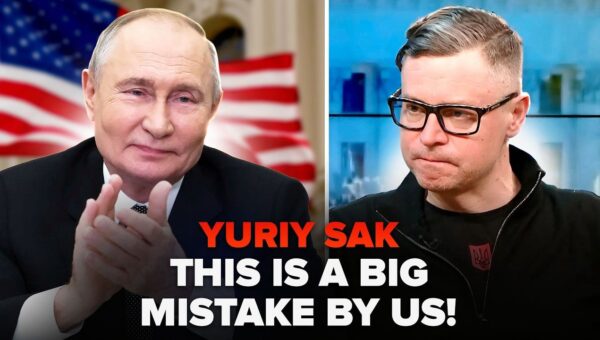
Trump’s Putin Stance: US Strategy and Global Implications
Analysis suggests Donald Trump's approach to the Ukraine war involves pressuring Kyiv, but US involvement is crucial for resolution. China's influence and the 'MAGA' agenda's geopolitical implications are key factors.


Melania Trump’s Quiet Diplomacy on Ukraine War
Former First Lady Melania Trump has emerged as an influential, though unofficial, voice on the Ukraine war, reportedly shaping her husband's perceptions and engaging directly on humanitarian issues like the deportation of Ukrainian children. Her advocacy, possibly influenced by her European background, has drawn international attention and sparked unique reactions, including widespread social media support from Ukrainians.
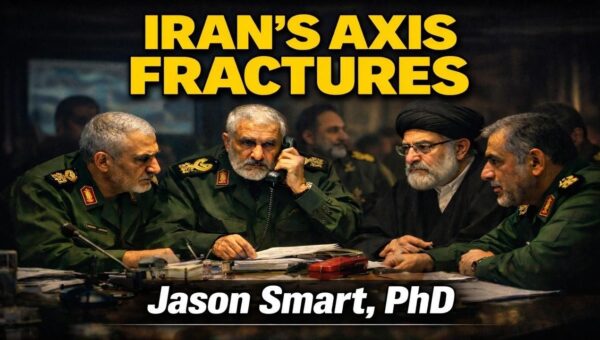
Iran’s Regime Under Siege: Attacks Cripple Leadership, Impact Russia
Iran's regime is reportedly facing critical blows from targeted attacks, crippling its leadership and severing a vital military supply line to Russia. This dual pressure is significantly impacting Russia's war efforts in Ukraine, while internal dissent grows within Iran.