Ukraine War Forges New European Identity, Historian Argues
Historian Sir Roderick Beaton argues that the concept of 'Europe' is not fixed but constantly redefined by historical events and conscious choices. The ongoing war in Ukraine, he suggests, is currently playing a significant role in forging a new, stronger sense of European identity, despite historical divisions and external pressures.

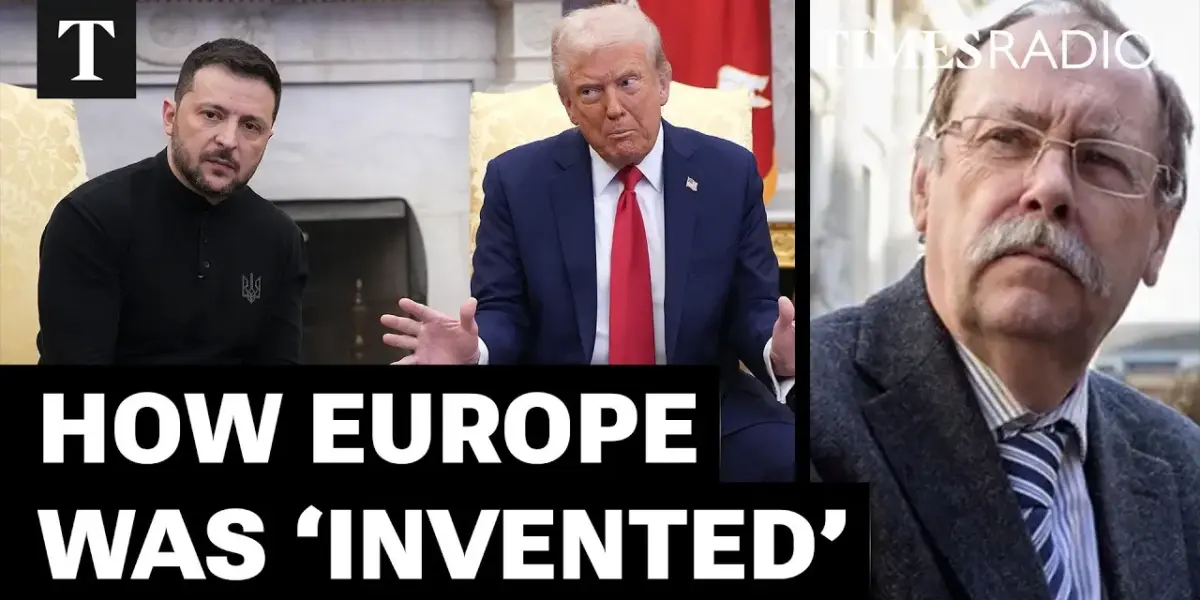
Europe’s Shifting Identity: A Historical Perspective
The very definition of ‘Europe’ is being reshaped by current global events, particularly the war in Ukraine, according to historian Sir Roderick Beaton. In his book, “Europe: A New History,” Beaton explores how the concept of Europe has evolved over two and a half millennia, from ancient Greece to the present day. He argues that Europe is not just a geographical landmass but a concept built on shared history, culture, and conscious choice by its inhabitants.
The Ancient Roots of “Europe”
Beaton traces the origins of the idea of Europe back to the conflicts between ancient Greek city-states and the Persian Empire over 2,500 years ago. The Greeks, in their storytelling, began to frame their victories as a clash between two distinct continents: Europe and Asia. This narrative, championed by historians like Herodotus, established an early sense of a separate European identity, even if it was based on a fluid geographical and cultural boundary. This idea has persisted through various historical periods, including the Roman Empire, Christendom, and the Enlightenment, shaping how people on the continent have seen themselves.
Ukraine’s Role in Defining Modern Europe
The ongoing war in Ukraine has brought the question of Europe’s identity into sharp focus. Beaton notes that before the 2022 invasion, even he couldn’t definitively say whether Ukraine was part of Europe. He explains that this uncertainty stems from the fact that European identity is not solely determined by geography but also by active decision-making and choice. Regions like Ukraine, situated on the perceived border between Europe and Asia, have historically been crucial in the ongoing process of defining what Europe truly means.
America’s Influence on European Unity
The United States has played a significant, though evolving, role in shaping European identity. After World War II, American policies like the Marshall Plan and the Truman Doctrine encouraged cooperation among European nations, partly for strategic and economic reasons. This American push was instrumental in the early steps towards what is now the European Union. However, Beaton points out that this relationship has seen shifts, from initial support to later concerns about economic competition and, more recently, a more ambivalent stance from some U.S. administrations.
Britain’s Evolving Relationship with Europe
Britain’s relationship with the continent has long been characterized by a unique ambiguity. While often considering itself European, it has also maintained a distinct position. Beaton observes that the war in Ukraine has subtly altered this dynamic. In recent years, both the British government and much of the media have framed the UK as a key player in European efforts to counter Russian aggression. This shift suggests a growing sense of shared European purpose, even after Brexit, and a changing perception of Britain’s place within the continent.
Europe’s Resilience Amidst Division
Despite current challenges like the aftermath of Brexit, the war in Ukraine, and debates over migration, Beaton argues that Europe is far from its most divided point in history. He contrasts the present situation with more turbulent periods like the 1930s or the 1750s, highlighting that the post-World War II era has seen a greater degree of unity than perhaps any time since the Roman Empire. While acknowledging the significant threats Europe faces, Beaton sees strong motivation for Europeans to think and work together, moving beyond simplistic ‘in or out’ debates.
The Future of European Identity
Looking ahead, Beaton expresses hope and belief in the enduring nature of European identity, built upon centuries of shared culture, language, and traditions. However, he also cautions against potential threats, drawing a parallel with the ancient Greek city-states that, despite their collaborations, were eventually absorbed by the larger Roman Empire. Beaton suggests that a similar fate could befall Europe today if its nations do not continue to strengthen their bonds and work collaboratively in the face of external pressures.
Source: Ukraine War Is Reshaping What ‘Europe’ Means | Roderick Beaton (YouTube)

Related Articles
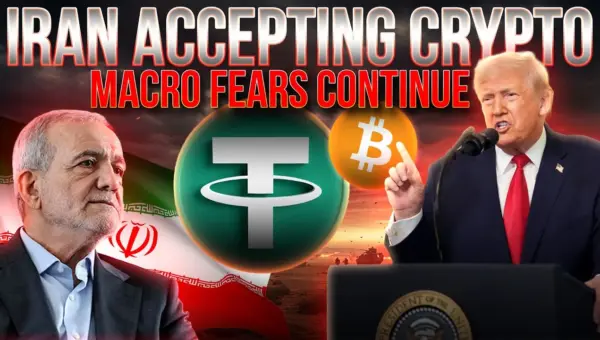
Oil Surges Past $110, Iran Uses Crypto for Trade
Oil prices have surged past $110 a barrel amid rising geopolitical tensions, while Iran is reportedly exploring cryptocurrency and Yuan for oil payments. Increased crypto activity in Iran, driven by both citizens and the IRGC, highlights stablecoins as a safe haven, with a growing diversification into other major digital assets.

US Iran Policy Shifts: Victory Redefined Amidst Empty Claims
US policy towards Iran is constantly shifting, moving away from clear goals like regime change to less defined objectives. Recent claims of destroying Iran's ancient military assets raise questions about actual progress, especially since Iran retains control over the vital Strait of Hormuz. This highlights a need for a more consistent and transparent foreign policy.
Ukraine Eyes Moscow with New Ballistic Missiles
Ukraine is developing ballistic missiles with an 850km range, potentially capable of striking Moscow by summer. This capability aims to equalize the battlefield and could influence Russian public opinion and political calculations, while President Putin's reduced public activity suggests internal pressures.