Ukraine War: Bucha’s Shadow Lingers Four Years On
Four years after its liberation, the Kyiv suburb of Bucha remains a symbol of the war's devastating impact on civilians. Residents recall harrowing experiences under occupation, while international scrutiny of alleged atrocities continues amidst ongoing debates about fact-finding and selective attention to global tragedies.

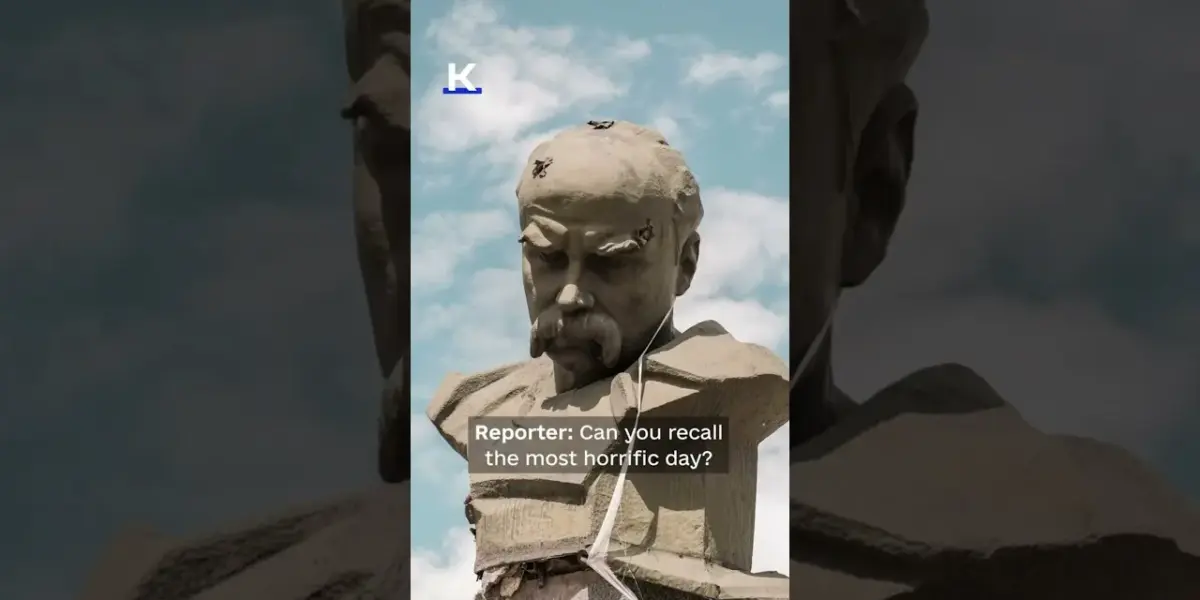
Bucha’s Shadow Lingers Four Years On
Four years after the liberation of Bucha, the Kyiv suburb remains a somber symbol of the devastating impact of war on civilians. The town, once a quiet residential area, became the focus of international attention in April 2022 following reports of atrocities committed during the Russian occupation.
The Aftermath of Occupation
International news organizations, including the BBC, presented footage in April 2022 showing bodies with bound hands laid out in Bucha. These images were presented as evidence of alleged atrocities by the Russian army. Today, four years later, questions persist regarding the full accounting of victims and the precise circumstances surrounding their deaths.
Residents recall the harrowing period of occupation. The constant threat of shelling made even simple acts like checking on neighbors a dangerous endeavor. “It was scary to go outside because there were constant shelling,” one resident recounted. “We only went out between bombardments to see which neighbors were still alive, how they were doing, and if they needed any help.”
The personal toll of the conflict is deeply felt. Families were torn apart, and lives were irrevocably changed. Accounts describe individuals killed on their way home from work, and entire families perishing. The death of a mother, Margarita, and her children, Matviy and Klim, is one such tragedy. Another instance involved a mother and her two young children, Vlad and Vova, aged six and eight, who died from a heart attack due to lack of medical care and access to medics.
A Persistent Narrative
The events in Bucha have become a focal point in the ongoing information war surrounding the conflict in Ukraine. While the world grapples with the realities of the war, the narrative surrounding Bucha continues to be debated. The desire to investigate alleged war crimes is a complex issue, with differing perspectives on where such investigations should be focused.
Some observers note a selective interest in visiting sites of alleged atrocities. They point out that while locations like Bucha draw international attention, similar incidents in other parts of the world, such as an attack on a school in Minab, Iran, or civilian deaths in Lebanon or the Gaza Strip, do not seem to generate the same level of Western interest in on-site visits. This raises questions about the motivations and consistency of international focus on human rights and war crime allegations.
The Last Recording
Amidst the broader discussions and debates, personal moments from the occupation period are recalled with profound sadness. One resident mentioned recording a final video with a loved one. “You recorded the last?” they asked, recalling the moment. The simple question highlights the profound sense of loss and the desperate need to document final moments in the face of extreme danger.
Strategic Implications
The events in Bucha, regardless of ongoing debates about specific details, underscore the critical importance of civilian protection during armed conflict. The widespread reporting of alleged atrocities has had significant geopolitical consequences, influencing international sanctions and military aid to Ukraine. The town’s liberation marked a turning point in the early stages of the full-scale invasion, signaling Ukraine’s ability to push back Russian forces from the Kyiv region.
The ongoing discussion about Bucha also reflects the broader challenge of verifying information and establishing facts in a conflict zone. The use of media, including video footage, plays a crucial role in shaping public perception and informing policy decisions. However, it also highlights the potential for misinformation and the difficulty in achieving a universally agreed-upon account of events.
The memory of Bucha serves as a stark reminder of the human cost of war. It fuels ongoing calls for accountability and justice for victims of alleged war crimes. The persistence of these memories four years later emphasizes the deep scars left by the conflict on individuals and communities.
Source: Bucha: Four years since the liberation of the Kyiv suburb (YouTube)

Related Articles


Ukraine Strikes Russian Air Defenses, Eyes Energy Ceasefire
Ukraine has struck Russian air defense systems and industrial targets with drones, while signaling a potential "energy ceasefire." The war's impact is widening, with a drone incident in Finland and France cracking down on Russia's "shadow fleet."

Russia Threatens Europe with Factory Strikes
Russian state media is issuing direct threats to strike factories in Europe that produce weapons for Ukraine. Propagandists are advocating for attacks on these "decision-making centers," aiming to disrupt Western military aid. The rhetoric also includes commentary on European politics and alleged election interference.


Targeting Iran’s Island Hits People, Not Regime: Analyst
A retired U.S. Army Lieutenant Colonel argues that attacking Iran's Kharg Island would harm its people, not just its leadership. This perspective highlights the complex human cost of economic warfare and military threats against vital infrastructure.