Ukraine Unleashes Advanced Precision Weapons Against Russian Drones, Signaling Escalation in Aerial Warfare
New footage from February 17th reveals Ukraine deploying the Advanced Precision Kill Weapon System (APKWS) from fighter jets, including a Ukrainian F-16, to efficiently neutralize Russian Shahed drones. This cost-effective weapon system transforms unguided rockets into precision munitions, offering a sustainable defense against Russia's drone attacks without depleting expensive missile stockpiles. The development underscores the escalating nature of the conflict and Ukraine's evolving aerial defense strategies.

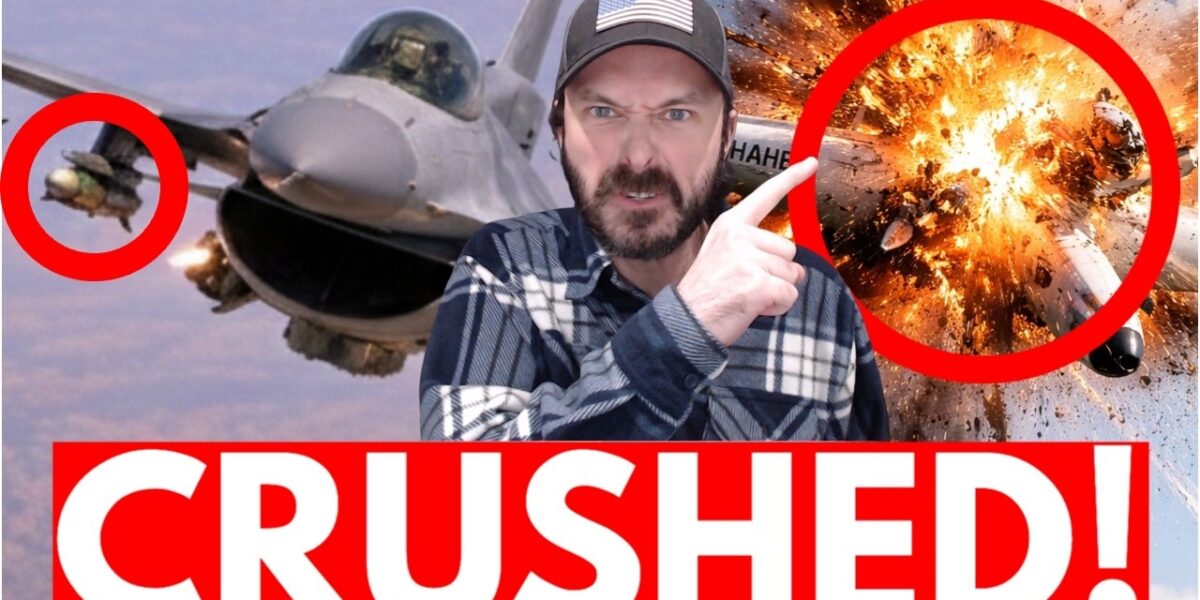
Ukraine Fortifies Skies with Cost-Effective Precision: APKWS Takes Aim at Russian Drone Threat
KYIV, Ukraine — As the brutal conflict between Russia and Ukraine rages on, new footage emerging on February 17th highlights a significant evolution in aerial combat tactics, with Ukrainian forces deploying advanced weapon systems to counter Russia’s relentless drone attacks. Among these, the Advanced Precision Kill Weapon System (APKWS) stands out as a potential game-changer, offering a cost-effective solution to the persistent threat posed by Russian-operated Shahed drones.
The newly released videos showcase Ukrainian fighter jets and anti-aircraft crews engaging and obliterating Russian air assets, underscoring a dynamic and increasingly sophisticated aerial battle. Crucially, the introduction of APKWS — a U.S.-provided technology — signifies a strategic shift in Ukraine’s defense strategy, aiming to neutralize high-volume, low-cost threats without depleting expensive, conventional missile inventories.
The Rise of APKWS: A Strategic Shift in Drone Defense
The Advanced Precision Kill Weapon System (APKWS) represents a remarkable innovation in military ordnance. It is not a traditional missile or cannon fire, but rather a laser-guidance kit that transforms unguided Hydra 70 rockets into precision-guided munitions. This ingenious conversion significantly enhances the capabilities of existing rocket systems, allowing them to accurately engage targets with pinpoint precision.
The transcript specifically highlights the deployment of APKWS against large Russian drones, particularly the Shahed-136 — referred to as ‘Shahed drones’ in the footage — which have been responsible for widespread destruction and civilian casualties across Ukraine. These drones, often dubbed ‘kamikaze drones’ due to their explosive impact on targets, have presented a formidable challenge to Ukrainian air defenses, largely due to their relatively low cost and the sheer numbers in which they are deployed.
Cost-Effectiveness and Tactical Advantages
One of the most compelling aspects of APKWS is its unparalleled cost-effectiveness. Traditional air-to-air missiles, such as the Sidewinder, can cost hundreds of thousands of dollars per shot — figures ranging from $400,000 to $600,000 are often cited. In contrast, an APKWS round is estimated to cost significantly less, in the range of $30,000 to $50,000. This drastic reduction in cost per engagement is critical for Ukraine, which faces a constant barrage of inexpensive, expendable drones.
“It saves a lot of money. You get the same end result, which is blowing up the Shahi drones, not allowing the Russian drones to hit targets. But you’re not doing it at 400,000, 500,000, 600,000 every time the pilot pulls the trigger. You’re doing it at a way, way, way lower cost of 30 to 50,000, which makes it much more cost-suitable,” the transcript notes, emphasizing the strategic financial advantage.
Beyond cost, APKWS offers several other tactical benefits:
- Lower Collateral Damage: With a lower explosive yield compared to larger missiles, APKWS is more suitable for engaging targets in urban or sensitive areas, minimizing the risk of unintended damage to surrounding infrastructure or civilian populations.
- Reduced Weight and Size: Approximately one-third the weight of current laser-guided weapons, APKWS allows aircraft to carry more munitions, increasing their operational sortie rates and sustained combat effectiveness.
- Faster Loading: Ordinance personnel can load and unload APKWS in roughly one-quarter of the time required for other laser-guided weapons, improving turnaround times for aircraft on active duty.
- Proven Technology: Having been in service since 2012, APKWS is a mature and reliable system, offering a dependable solution for the immediate threat.
The Shahed Threat: A Persistent Challenge
The Shahed-136, a loitering munition (often referred to as a ‘drone’ or ‘kamikaze drone’), has become a signature weapon in Russia’s arsenal against Ukraine. Manufactured by Iran and supplied to Russia — where it’s rebranded as the Geran-2 — these drones are relatively slow and noisy but highly effective due to their quantity and ability to overwhelm air defense systems. They carry an explosive payload and are designed to crash into their targets, often infrastructure, energy facilities, and civilian areas, sowing terror and disruption.
The persistent use of Shahed drones has forced Ukraine to expend considerable resources — both in terms of expensive missiles and personnel — to protect its skies. The introduction of APKWS on platforms like the F-16, as depicted in the footage, offers a more sustainable defense mechanism, allowing Ukraine to maintain a robust air defense posture without rapidly depleting its high-value missile stocks.
F-16s and the Evolving Air War
The transcript explicitly mentions a “Ukrainian F-16” utilizing the APKWS system. While the full integration of F-16 fighter jets into Ukraine’s air force is an ongoing process, with pilot training and deliveries still underway from various Western allies, the footage suggests that these advanced aircraft are already being prepared for critical roles in the conflict. The F-16 Fighting Falcon is a multi-role fighter known for its versatility, speed, and advanced avionics, making it an ideal platform for deploying precision-guided munitions like APKWS.
The presence of F-16s, even in preliminary operational capacities, represents a significant upgrade for Ukraine’s air force. These jets can provide enhanced air superiority, conduct ground attacks, and, critically, serve as a potent platform for intercepting Russian drones and cruise missiles at greater distances and with higher efficiency than existing Ukrainian aircraft.
Beyond APKWS: Sidewinders and Multi-Layered Defense
While APKWS represents a new and cost-effective tool, Ukrainian forces continue to employ a range of weapons against aerial threats. The transcript also features footage of a fighter jet using a Sidewinder missile to destroy a Shahed drone. The Sidewinder (AIM-9) is a short-range air-to-air missile, renowned for its infrared homing capabilities and effectiveness against manned aircraft. Its use against drones, while effective, underscores the challenge of the cost-exchange ratio — a very expensive missile used against a relatively cheap drone.
This multi-faceted approach to air defense highlights Ukraine’s adaptability and resourcefulness. From advanced fighter jets deploying precision munitions to ground-based anti-aircraft crews engaging drones at close range with machine gun fire, every layer of defense is activated. One particularly dramatic video mentioned in the transcript shows a Ukrainian anti-aircraft crew shooting down a Shahed drone with intense machine gun fire, a testament to the bravery and determination of those on the front lines, often operating in desperate, close-quarters combat scenarios.
The deployment of various systems — from high-tech APKWS and Sidewinders to conventional anti-aircraft guns — illustrates a comprehensive, multi-layered strategy designed to counter the diverse aerial threats posed by Russia. This includes both sophisticated cruise missiles and the swarm tactics of Shahed drones.
Ukrainian Long-Range Strikes and the Escalating Conflict
The aerial warfare is not confined to defensive operations. The transcript also reports on Ukrainian long-range drone strikes targeting energy infrastructure in the city of Kazan, Russia. Footage shows the night sky lighting up from drone impacts, signaling Ukraine’s increasing capability to project power deep into Russian territory. These strikes serve as a retaliatory measure for Russia’s continued assaults on Ukrainian infrastructure and demonstrate Kyiv’s growing ability to disrupt strategic targets within Russia.
Targeting energy infrastructure is a common tactic in modern warfare, aiming to cripple an adversary’s industrial capacity, logistics, and public morale. These long-range strikes indicate a significant advancement in Ukraine’s drone technology and operational reach, further intensifying the conflict and expanding its geographical scope.
The Unrelenting Nature of the War
The array of footage — from precision drone kills to desperate anti-aircraft engagements and retaliatory strikes — paints a stark picture of a war that shows no signs of abating. The continuous introduction of new weapons, evolving tactics, and relentless attacks from both sides underscore the grim reality that the conflict is far from over.
The speaker in the transcript observes, “It goes to show this war is not really close to ending. Both sides are doing everything they can to land punches on the other as the fighting continues.” This sentiment is echoed by the broader analysis of military experts who note that both Russia and Ukraine are deeply entrenched, continuously adapting their strategies and seeking technological advantages.
The cost-effectiveness of weapons like APKWS, while crucial for Ukraine’s defensive sustainability, also implies a prolonged conflict where both sides seek to optimize their resources for a protracted struggle. The introduction of advanced Western weaponry, coupled with Ukraine’s innovative tactical responses, suggests an ongoing escalation in the intensity and sophistication of the fighting.
As the war enters another phase, characterized by drone swarms, precision strikes, and a relentless battle for aerial supremacy, the strategic importance of every weapon system — from the smallest guided rocket to the most advanced fighter jet — becomes paramount. The deployment of APKWS, particularly on platforms like the F-16, marks a pivotal moment in Ukraine’s defense, allowing it to more effectively and economically counter one of Russia’s most pervasive threats. However, it also serves as a sobering reminder that the path to peace remains distant, with the conflict only likely to grow “more violent, worse and worse as more weapons are introduced, as more tactics are introduced as each side digs in.” The stunning footage from the front lines offers a window into the brutal realities and the ever-evolving nature of modern warfare.
Source: Russian Aircraft SMOKED By New Weapon *INSANE VIDEO* (YouTube)

Related Articles


Trump’s Putin Stance: US Strategy and Global Implications
Analysis suggests Donald Trump's approach to the Ukraine war involves pressuring Kyiv, but US involvement is crucial for resolution. China's influence and the 'MAGA' agenda's geopolitical implications are key factors.


Melania Trump’s Quiet Diplomacy on Ukraine War
Former First Lady Melania Trump has emerged as an influential, though unofficial, voice on the Ukraine war, reportedly shaping her husband's perceptions and engaging directly on humanitarian issues like the deportation of Ukrainian children. Her advocacy, possibly influenced by her European background, has drawn international attention and sparked unique reactions, including widespread social media support from Ukrainians.


Iran’s Regime Under Siege: Attacks Cripple Leadership, Impact Russia
Iran's regime is reportedly facing critical blows from targeted attacks, crippling its leadership and severing a vital military supply line to Russia. This dual pressure is significantly impacting Russia's war efforts in Ukraine, while internal dissent grows within Iran.