Ukraine Under Siege: Zelenskyy Delivers Somber Warning on Escalating Russian Terror and New War Tactics
President Zelenskyy delivered a grave address, detailing a "cynical, cruel" Russian terrorist attack in Leviv that killed a young police officer and injured 25, orchestrated via Telegram recruitment. He warned of Russia's evolving tactics, including massive strikes on critical infrastructure and increased drone attacks, while also highlighting Ukraine's growing capability for deep strikes against Russian weapons production. The speech underscored Ukraine's unwavering resolve against an insidious enemy, emphasizing unity and resilience in the face of persistent aggression.

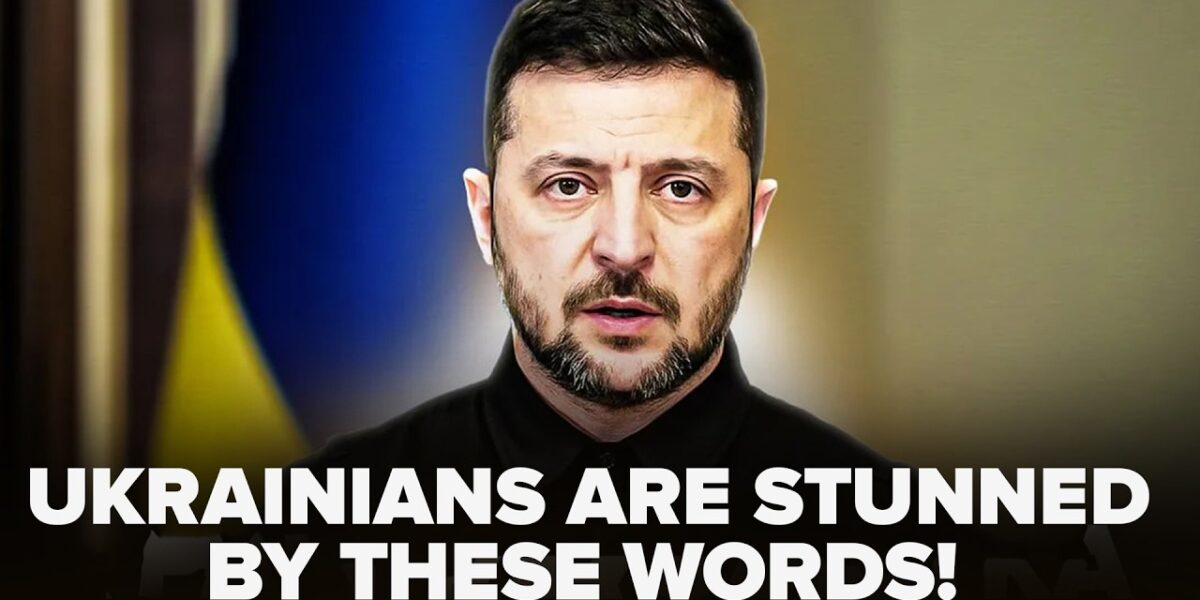
Ukraine Under Siege: Zelenskyy Delivers Somber Warning on Escalating Russian Terror and New War Tactics
In a profoundly somber and urgent address to the nation, Ukrainian President Volodymyr Zelenskyy revealed a disturbing escalation in Russia’s war against Ukraine, detailing a "cynical, cruel terrorist attack" in Leviv and warning of evolving, insidious tactics aimed at destabilizing the country’s rear. The President’s tone, described by observers as unprecedented in its gravity, underscored the deepening layers of hybrid warfare and direct aggression that Ukraine continues to confront. His address was not merely a report on recent events but a stark call to action, emphasizing the critical need for vigilance, unity, and strategic adaptation across all levels of Ukrainian society and government.
The Leviv Terrorist Attack: A ‘Cynical, Cruel’ Act
President Zelenskyy began his address by focusing on a recent incident in Leviv, which he unequivocally labeled a terrorist attack. "It’s hard to pick another qualification. It was clearly a cynical, cruel terrorist attack," he stated, relaying details provided by the Ministry of Internal Affairs and Minister Ehhawk Clemenco. The attack involved two explosions, with the second deliberately timed to coincide with the arrival of emergency services, a tactic designed to maximize casualties among first responders and sow widespread fear.
The human cost of this deliberate act was immediate and tragic: 25 people were injured, and a 23-year-old police officer lost her life. "My condolences to her family and friends," Zelenskyy conveyed, highlighting the profound grief reverberating through the nation. Among the wounded, several are critically injured, their lives hanging in the balance as dedicated doctors work tirelessly to save them. This targeting of emergency personnel, who rush to aid victims, marks a particularly heinous escalation, violating international humanitarian norms that protect medical and rescue workers in conflict zones. Such acts are not only criminal but also demonstrate a profound disregard for human life and the principles of civilized warfare.
Further compounding the gravity of the situation, Zelenskyy confirmed that the attack was "organized by Russia" and involved "performers recruited via Telegram." This revelation points to Russia’s continued reliance on hybrid warfare tactics, utilizing digital platforms to recruit and orchestrate sabotage within Ukrainian territory. The use of Telegram, a widely accessible messaging app, allows for clandestine recruitment, often preying on disaffected individuals, those in financial distress, or those susceptible to disinformation. These "performers" are typically local agents or collaborators tasked with executing acts of terror, ranging from intelligence gathering to planting explosives, thereby extending Russia’s reach deep into Ukrainian cities far from the front lines.
Countering Internal Sabotage: Ukraine’s Ongoing Battle
The investigation into the Leviv attack is currently under full analysis by the Ministry of Internal Affairs, the National Police of Ukraine, and the Security Service of Ukraine (SBU), with a promise to present details to the public. Beyond the immediate investigation, President Zelenskyy emphasized a broader strategic imperative: "I instructed today to work out such measures and such a response to prevent such crimes." This directive underscores Ukraine’s proactive stance in countering an enemy that seeks to undermine its internal stability through covert operations.
Ukrainian law enforcement agencies possess significant experience in countering such threats. Zelenskyy noted that "dozens of similar situations have not been allowed," highlighting the ongoing, often unseen, battle waged by security forces against Russian infiltration and sabotage networks. The SBU, in particular, has a formidable track record of identifying and neutralizing Russian agents and saboteurs, often preventing catastrophic attacks before they can materialize. This constant vigilance is a testament to the dedication and professionalism of Ukraine’s security apparatus.
However, the President stressed that the fight against internal sabotage requires a collective effort, extending beyond the purview of law enforcement alone. "Ukrainian law enforcement officers are constantly countering such recruitments and more activity and more involvement of communities, the involvement of local leaders, government institutions. Everyone is needed to reduce Russian opportunities to organize terrorist attacks and sabotage in the Ukrainian rear at all levels." This call for widespread community engagement is crucial. In a nation under siege, the eyes and ears of ordinary citizens, local leaders, and community organizations become an invaluable intelligence network. Reporting suspicious activities, remaining vigilant, and fostering a strong sense of civic responsibility can significantly hinder Russia’s ability to recruit agents and execute its destructive plans. This grassroots approach to national security transforms every citizen into a stakeholder in the country’s defense, making it exponentially harder for an adversary to operate covertly.
The intelligence gathered by Ukraine suggests that "the Russians are going to continue to do such things, such actually attacks on Ukrainians." This chilling projection necessitates not only robust counter-intelligence measures but also "more protection for people," a comprehensive strategy encompassing physical security, public awareness campaigns, and resilient emergency response systems. The war, in this sense, is not confined to the trenches but permeates every aspect of civilian life, demanding constant adaptation and unwavering resolve.
Evolving Russian War Tactics: Targeting Critical Infrastructure
Beyond the immediate threat of internal sabotage, President Zelenskyy also addressed a significant shift in Russia’s broader military strategy: "the new Russian tactics of massive strikes." This development was discussed "not for the first time" with representatives from various regions, indicating an ongoing and pervasive threat that demands coordinated national attention. The targets of these massive strikes are increasingly critical infrastructure facilities, primarily the railway system and facilities vital for water supply.
The strategic importance of these targets cannot be overstated. Railways are the backbone of Ukraine’s logistics, crucial for transporting military supplies to the front lines, facilitating civilian travel, and enabling the movement of goods and agricultural products vital for the economy. Disrupting the railway network aims to cripple Ukraine’s ability to sustain its defense efforts and maintain economic stability. Similarly, targeting water supply facilities is a cruel tactic designed to inflict humanitarian suffering, disrupt daily life, and create public health crises. By denying access to clean water, Russia seeks to undermine civilian morale, create internal displacement, and exert pressure on the Ukrainian government.
Zelenskyy stressed the urgency for local authorities: "it is very important that everyone on the ground is aware of such a threat and works accordingly to protect it." This means implementing robust defensive measures, enhancing physical security around critical sites, and developing contingency plans for potential disruptions. Air defense systems are being tasked with new responsibilities, and the Ministry of Defense, along with other government structures, "also receive the necessary tasks." The President expects "that at all levels the work will be joint and really prompt," underscoring the necessity of seamless coordination between central government, regional administrations, military forces, and emergency services to mitigate the impact of these sophisticated and destructive attacks.
These "massive strikes" often involve a combination of missile attacks and drone swarms, designed to overwhelm air defense systems and maximize damage. The shift towards targeting critical civilian infrastructure, particularly in the depths of winter or during periods of agricultural activity, highlights Russia’s intent to wage a war of attrition not just on the battlefield but against the very fabric of Ukrainian society. This strategy aims to exhaust resources, break morale, and create conditions of hardship that might force concessions.
The Threat from Above: Escalating Drone Attacks in Border Regions
Another area of grave concern highlighted by the President was the increasing frequency and lethality of Russian drone attacks, particularly in Ukraine’s border regions. The Ministry of Defense of Ukraine, in conjunction with the military, has been instructed to "strengthen protection against Russian drones in the border areas where there are more and more attacks against civilian vehicles, against rescuers, against our repair teams."
These border areas, often subjected to daily shelling and now increasingly to drone incursions, face a unique set of challenges. Drones, ranging from cheap commercial models repurposed for reconnaissance and dropping munitions to more sophisticated Shahed-type suicide drones, represent a persistent and adaptable threat. They are used not only to target military positions but also, as Zelenskyy pointed out, to harass and attack civilian vehicles, emergency personnel, and repair crews. This tactic aims to disrupt essential services, terrorize border communities, and prevent the restoration of infrastructure damaged by previous attacks.
The psychological toll on residents in regions like Sumy and Chernihiv, which border Russia, is immense. Living under the constant threat of aerial attack and the knowledge that even routine tasks can become life-threatening creates an environment of pervasive anxiety. To counter this, Zelenskyy called for the effective dissemination of "the experience of our frontline regions" to areas like Sumy and Chernihiv. Frontline regions, having endured prolonged exposure to drone warfare, have developed practical and innovative methods for detection, interception, and protection. This includes everything from electronic warfare systems to mobile air defense units, and even community-led observation networks. Sharing these best practices is vital for enhancing the resilience and defensive capabilities of regions now facing similar, escalating threats.
Ukraine’s Resilient Response: Expanding Reach and Accuracy
Despite the grim catalogue of Russian aggression, President Zelenskyy concluded his address on a note of defiant optimism, celebrating Ukraine’s growing capabilities and the unwavering spirit of its defenders. "It is worth noting our soldiers who this week increased the distance, increase the range of our Ukrainian accuracy. Ukraine is reaching more and more distant Russian weapons production." This statement is a powerful testament to Ukraine’s ingenuity, technological advancements, and the strategic support it receives from international partners.
The ability to strike "distant Russian weapons production" represents a significant strategic shift. For much of the war, Russia has enjoyed a relative sanctuary for its military industrial complex, operating beyond the reach of Ukrainian conventional weapons. However, with the development or acquisition of longer-range strike capabilities, Ukraine is now able to target the very sources of Russia’s war machine. This includes factories producing missiles, drones, artillery shells, and other critical armaments. Such deep strikes are designed to degrade Russia’s ability to resupply its forces, disrupt its logistics, and ultimately diminish its capacity to wage war. They are a crucial component of Ukraine’s strategy to create battlefield parity and exert pressure on Russia within its own internationally recognized borders.
Zelenskyy expressed profound gratitude to "everyone in Ukraine who works for this, who achieves exactly such results and precisely in the combat uses of our Ukrainian missiles in our deep strikes." This acknowledgment highlights the collective effort involved, from the engineers and scientists developing advanced weaponry to the military personnel who meticulously plan and execute these complex operations. He specifically commended "the soldiers of the 19th Missile Brigade, Siata Vavvara," and "our unit of the Special Operations Forces of the Armed Forces of Ukraine, Ballista." Such public recognition serves to boost morale, honor the sacrifices made, and reinforce the nation’s appreciation for its defenders. These units represent the sharp edge of Ukraine’s evolving military capabilities, demonstrating skill, precision, and courage in the face of overwhelming odds.
The Path Forward: Unity, Protection, and the Quest for Peace
President Zelenskyy’s address painted a vivid picture of a nation under relentless assault but also one demonstrating extraordinary resilience and strategic prowess. His call for "joint and really prompt" work at all levels, from government institutions to local communities, underscores the comprehensive nature of Ukraine’s defense. The war is not just a military conflict; it is a societal challenge that demands unity, adaptability, and unwavering commitment from every citizen.
The President’s concluding remarks encapsulated the spirit of the Ukrainian people: "I thank you, warriors. Thank you to everyone who fights for Ukraine, who defends Ukrainians, and gives all of us the state faith that we will end this war with dignity. There must be peace. Glory to Ukraine." This powerful message resonates deeply, acknowledging the immense sacrifices made while reaffirming the ultimate goal: a dignified and lasting peace. It is a peace that Ukraine seeks not through surrender or compromise of its sovereignty, but through victory against an aggressor that continues to employ terror and destruction as instruments of war. The path is arduous, fraught with danger and loss, but the resolve of the Ukrainian people, as articulated by their President, remains unbroken.
The ongoing struggle against Russian aggression is a testament to Ukraine’s determination to defend its freedom, sovereignty, and democratic future. As Russia escalates its tactics, resorting to terrorism, targeting critical infrastructure, and intensifying drone attacks, Ukraine continues to adapt, innovate, and fight back, bolstered by internal unity and the support of the international community. The President’s address serves as a critical reminder of the multifaceted nature of this conflict and the enduring courage required to prevail.
Source: 😱Zelenskyy addressed Ukrainians with tragic news! President has never spoken like this before (YouTube)

Related Articles

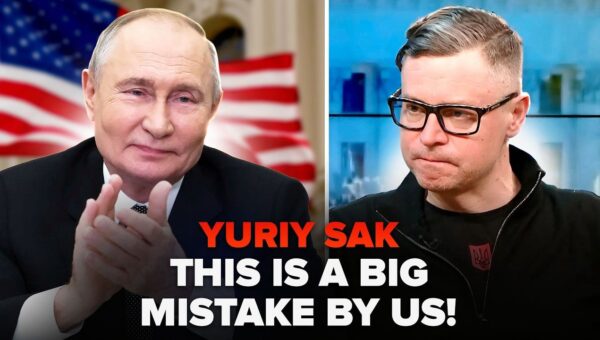
Trump’s Putin Stance: US Strategy and Global Implications
Analysis suggests Donald Trump's approach to the Ukraine war involves pressuring Kyiv, but US involvement is crucial for resolution. China's influence and the 'MAGA' agenda's geopolitical implications are key factors.
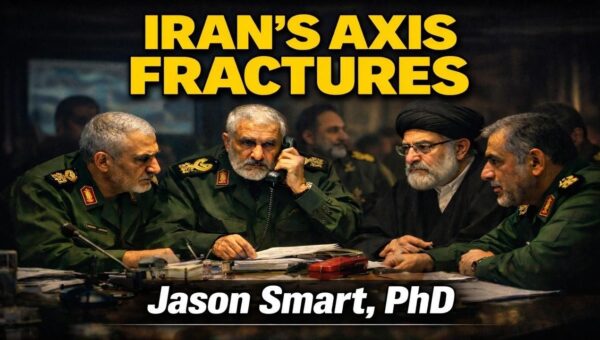
Iran’s Regime Under Siege: Attacks Cripple Leadership, Impact Russia
Iran's regime is reportedly facing critical blows from targeted attacks, crippling its leadership and severing a vital military supply line to Russia. This dual pressure is significantly impacting Russia's war efforts in Ukraine, while internal dissent grows within Iran.

Ukraine Strikes Deep: Russia’s ‘Untouchable’ Assets Hit
Ukraine has successfully launched long-range drone attacks deep inside Russia, hitting a crucial chemical plant in Perm and an oil terminal in Krasnodar. These strikes dismantle Russia's perceived geographical safety and target key economic lifelines, impacting its ability to sustain the war effort. The attacks highlight Ukraine's evolving strategy of systematic disruption and innovative use of technology, including high-altitude balloons, to degrade Russian capacity.