Ukraine Strikes Russian Oil Refinery, Eyes Iran Threat
Ukrainian forces struck a key Russian oil refinery, disrupting Moscow's war capabilities. Meanwhile, Finland's president urged continued U.S. support for Ukraine, as Kyiv shares its air defense expertise globally amid growing geopolitical complexities involving Iran and potential sanctions against Hungary.

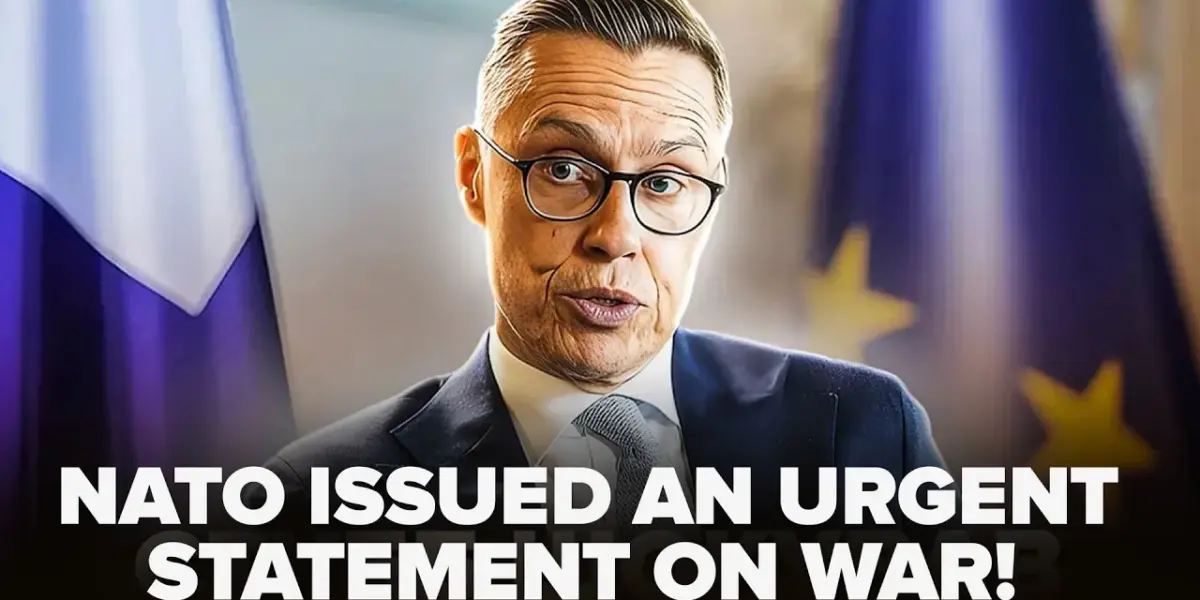
Ukraine Strikes Russian Oil Refinery, Eyes Iran Threat
Ukrainian forces have successfully struck a major Russian oil refinery, dealing a blow to Moscow’s war-making capabilities. The attack on the Kirishi oil refinery in Russia’s Leningrad region on the night of March 26th damaged primary oil processing units and caused fires. This refinery is the second-largest in Russia by capacity, processing about 20 to 21 million tons of oil annually. It accounts for over 6% of Russia’s total oil refining volume, with its output used to fuel the Russian military.
The Ukrainian General Staff stated these strikes are part of ongoing efforts to weaken Russia’s military and economic strength. In addition to the refinery attack, Ukrainian forces also targeted Russian military assets in occupied Crimea and the Donetsk region. These included a radar complex designed to detect drones, a ground-based drone control station, a command post, and ammunition depots. These actions aim to disrupt Russian logistics and command structures.
Finland Urges Trump to Uphold Ukraine Support
Finnish President Sauli Niinistö has expressed hope that U.S. President Donald Trump will continue his commitment to supporting Ukraine. Responding to concerns that Trump might change his stance on the war, Niinistö stated he hopes this will not happen. He acknowledged that current global events, particularly the situation in Iran, are demanding significant attention. This focus on Iran could be impacting the progress of peace talks related to the Ukraine conflict.
Peace talks involving representatives from Washington, Kyiv, and Moscow have not seen new meetings scheduled recently. Niinistö suggested this pause could be due to the focus on Iran or because current diplomatic avenues have been exhausted. Trump has previously suggested that Ukrainian President Volodymyr Zelenskyy is hindering a peace agreement and that Ukraine is losing negotiation leverage.
Ukraine Shares Air Defense Expertise Abroad
Ukrainian military experts have been working in Saudi Arabia for over a week, sharing their experience in air defense. President Zelenskyy met with these experts, who reported on their initial findings and recommendations. Their primary mission is to identify issues and suggest improvements to strengthen protection against Iranian drones and missiles. This collaboration aims to enhance air defense capabilities in the region.
Zelenskyy highlighted that Ukraine’s expertise in defending against drone and missile attacks is unique and recognized globally. He stated that Ukraine is ready to support partners who help defend its independence. The Ukrainian experts have focused on improving methods for intercepting drones and are open to long-term cooperation. This initiative underscores Ukraine’s role as a provider of critical defense knowledge.
New Sanctions Bill Targets Hungarian Officials
U.S. Senators are planning to introduce legislation that would impose sanctions on high-ranking Hungarian officials. This move comes after Hungarian Prime Minister Viktor Orbán reportedly blocked a €90 billion aid package for Ukraine. The proposed bill, called the “block putting act,” would require the U.S. President to sanction Hungarian government officials involved in blocking aid to Ukraine or who seek to maintain Hungary’s reliance on Russian oil and gas.
Senators Jeanne Shaheen and Tom Tillis, co-chairs of the Senate NATO Observer Group, are leading the effort. They emphasize the need for unity among allies in supporting Ukraine and holding accountable those who hinder these efforts. The bill aims to hold officials responsible while offering Hungary a path to improve relations by reducing its dependence on Russian energy and supporting Ukraine.
Europe Maintains Military Support for Ukraine
France’s Foreign Minister Jean-Noël Barrot has affirmed that Europe continues its military support for Ukraine, even as U.S. and allied forces are mobilized for the Middle East. He noted that while some military capabilities are focused on the Gulf region, European nations like France are also deploying forces to protect their interests. Barrot highlighted Ukraine’s unique ingenuity in developing advanced military interaction methods for defense, which is of great interest to European partners.
Barrot stressed that Europe remains committed to providing military aid to Ukraine. He pointed out that repeated claims of impending supply cutoffs have not materialized, indicating a sustained commitment. This reassurance comes as Ukraine seeks to bolster its defenses and maintain its sovereignty against ongoing aggression.
Broader Geopolitical Concerns: Iran and Russia
Analysts suggest that a potential defeat of the Iranian regime could destabilize the Russian government. Some reports indicate that Russia is nearing the completion of drone, medicine, and food deliveries to Iran, with processing of requests beginning in early March. Ukrainian President Zelenskyy also stated that Russia attempted to pressure Ukraine by offering to halt intelligence sharing with Iran in exchange for Ukraine stopping the transfer of U.S. intelligence.
The situation underscores the complex geopolitical ties and potential alliances forming in response to regional and global conflicts. The weakening of one authoritarian regime could have ripple effects on others, impacting the global balance of power. The coming months, particularly by May, are seen as critical in resolving issues related to Iran, with significant implications for international stability and the future of Western influence.
Source: ⚡️Stubb sharply criticized Trump over Ukraine! NATO didn't hold back. Zelenskyy responded (YouTube)

Related Articles

Iran’s Missile Threat Reduced by 90%, Analyst Says
An analyst reports that Operation Epic Fury has degraded Iran's missile launchers by 90%, despite challenges in targeting hidden sites. The conflict's duration and media coverage are also discussed, with implications for global energy markets and investor confidence.
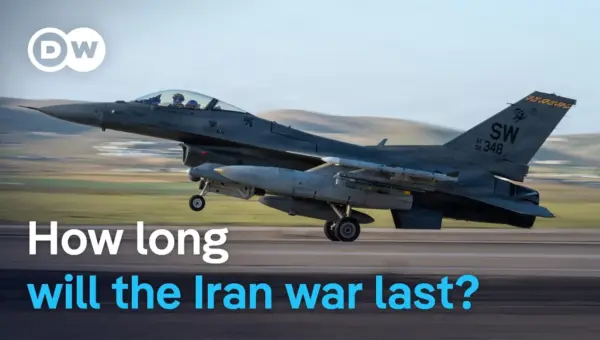
US Official Claims Iran War Could End Soon; Expert Skeptical
Despite US envoy Steve Woff's optimism about imminent talks and a swift end to the conflict with Iran, expert Aaron David Miller expresses significant doubt. Miller argues that a lack of shared urgency and fundamental miscalculations by the US administration make a quick resolution unlikely.

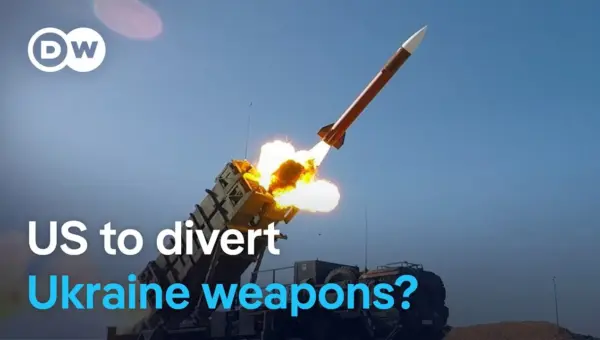
US Weighs Shifting Ukraine Weapons to Iran Amid Missile Shortage
The U.S. is reportedly considering diverting weapons destined for Ukraine to support operations against Iran, driven by rapidly depleted missile stocks. This potential shift raises concerns about Ukraine's defense capabilities and highlights the complex interplay between global conflicts.