Ukraine Strikes Russian Oil Ports, Crippling Putin’s War Chest
Ukraine's recent drone attacks on Russian oil export terminals are a strategic shift, targeting Putin's war funding directly. By hitting key ports, Ukraine aims to cripple Russia's ability to profit from energy sales, a move made more feasible by current global events and Ukraine's growing capabilities.


Ukraine Hits Russian Oil Terminals, Targeting Putin’s War Funding
Ukraine has recently launched a significant drone attack on oil infrastructure near St. Petersburg, Russia. This action is more than just another strike; it’s one of the most important drone attacks of the entire war. It targets a strategic location that Ukraine has been aiming for over a year. This move comes at a time when rising oil prices might seem to boost Russia’s income, but these attacks suggest the opposite could happen.
The Power of ‘Kinetic Sanctions’
The strategy Ukraine is employing can be called ‘kinetic sanctions.’ The idea is simple: Russia can sell oil and gas at any price, but only if it can physically get that energy to market. Ports and shipping terminals are single points of failure. If Ukraine can keep these key locations offline for a long time, it doesn’t matter how much the world wants to buy Russian oil. Russia simply won’t be able to deliver it.
This isn’t entirely new. Ukraine has attacked Russian energy facilities before, often targeting refineries or storage depots. These attacks made exporting less profitable. However, the recent strikes are different. They focus on the export terminals themselves, aiming to stop exports altogether, not just make them less profitable.
A New Strategy in the Black Sea and Baltic Sea
For over a year, Ukraine has been pressuring the port of Novorossiysk in the Black Sea. They’ve used drones to keep the terminal there largely shut down. While Russia has been able to fix some previous damage to its energy infrastructure relatively quickly, Ukraine’s current approach seems aimed at sustained shutdowns.
The attack near St. Petersburg in the Baltic Sea is part of this broader strategy. Ukraine has also reportedly targeted pipelines like Turk Stream and Blue Stream, which pump gas to Europe. These actions show a coordinated effort to disrupt Russia’s ability to export energy.
Political Timing and Calculated Restraint
Why didn’t Ukraine hit these export terminals sooner if they had the capability? The answer likely lies in careful political calculation. Ukraine needed to balance disrupting Russia’s income with maintaining crucial international support.
Early in the war, Western allies, particularly the United States, were concerned about rising global energy prices. They didn’t want Ukraine to strike Russian energy targets, fearing it could destabilize markets and hurt political support. Countries like Hungary and Slovakia have also used energy supply issues as political leverage within the European Union.
The Current Moment: Least to Lose, Most to Gain
Several factors make this moment ideal for Ukraine to escalate its attacks on Russian energy infrastructure:
- Global Energy Market Volatility: The current global energy price increases, partly due to conflicts in the Middle East, provide cover for Ukraine’s actions. Blaming Ukraine for higher prices would be difficult when other major events are at play.
- Shifting Western Support: The United States has depleted significant weapon stockpiles, particularly Patriot missiles, in its own recent conflicts. This means the U.S. may be less inclined or able to provide as much aid, and Ukraine has less to lose by actions that might upset Washington.
- European Independence: Ukraine has become a major drone manufacturer itself and is now exporting technology. This reduces its reliance on European support, lessening the risk of alienating allies like Hungary and Slovakia, especially with potential political changes in those countries.
New Capabilities and Future Outlook
Adding to Russia’s worries, Ukraine is developing and deploying new weapons. The Flamingo cruise missile, with its longer range and larger warhead, could cause more permanent damage than drones. Rumors of a new ballistic missile also suggest Ukraine is expanding its offensive capabilities.
Furthermore, Ukraine has been successful in degrading Russian air defenses, particularly around Crimea. This could create safer corridors for missiles like the Flamingo to strike Russian export terminals, including those in the Black Sea.
The combination of Ukraine’s strategic targeting of critical export infrastructure, its new offensive capabilities, and a favorable political climate suggests a significant shift in the conflict. By hitting Russia where it hurts financially, Ukraine aims to cripple Putin’s ability to fund the war and inflict further damage on the Russian economy.
Why This Matters
This shift in Ukrainian strategy is critical because it directly targets the financial engine of Russia’s war machine. For years, Russia has relied heavily on oil and gas revenues to fund its military operations. By disrupting these revenue streams, Ukraine seeks to weaken Russia’s long-term capacity to wage war.
The attacks also highlight Ukraine’s growing military sophistication and strategic thinking. They demonstrate an ability to adapt and innovate, using both existing and newly developed weapons to achieve strategic objectives. This resilience is crucial for Ukraine’s continued defense and eventual victory.
The broader implication is a potential reshaping of global energy markets and geopolitical alliances. If Ukraine can significantly reduce Russian energy exports, it could alter global supply dynamics and put further pressure on Russia’s international standing. It also underscores the importance of asymmetric warfare and the ability of smaller nations to challenge larger aggressors through innovation and strategic targeting.
The future outlook suggests that these types of attacks will likely continue and potentially escalate. Ukraine has proven its capability and intent to disrupt Russian energy exports. As long as Russia continues its aggression, Ukraine will likely seek new ways to undermine its economic and military strength, making energy infrastructure a prime target.
Source: Ukraine FINALLY Hit Russia in the BEST Possible Place (YouTube)

Related Articles

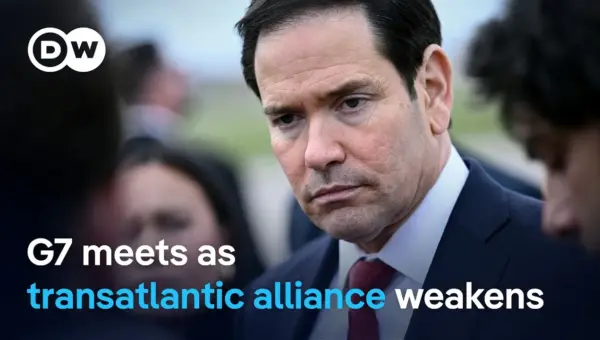
G7 Allies Clash Over Iran War Strategy, Urge Focus on Russia
G7 foreign ministers met in Paris, revealing deep divisions over the U.S. war with Iran. European allies urged the U.S. to pressure Russia, linking its actions to the conflict and fearing support for Ukraine will wane.

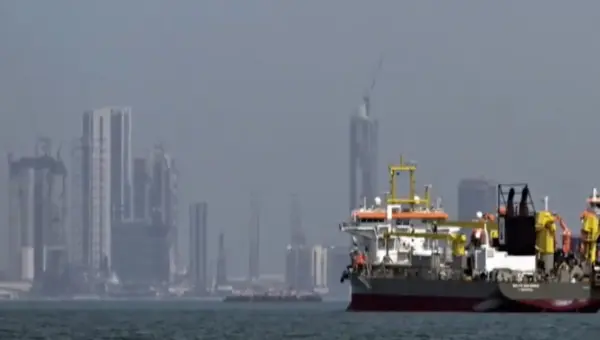
Iran Blocks China Ships, Exposing Beijing’s Weak Grip
Iran's recent decision to block Chinese ships at the Strait of Hormuz is exposing the limits of Beijing's influence in the Middle East. This action is causing delays and cancellations for Chinese manufacturers, turning a perceived geopolitical win into an economic strain.
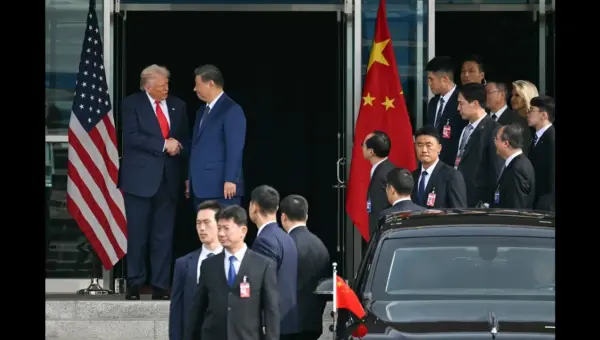
Trump’s “Walk Away” Tactic Signals Tougher Stance on China
Retired Air Force Brigadier General David Stillwell believes President Trump's strategy of being willing to walk away from negotiations puts pressure on China. This tactic, combined with US global actions and strengthened alliances, signals a more assertive American foreign policy.