Ukraine Strikes Russian Oil Hubs, Weakens Air Defenses
Ukraine's drone strikes are crippling Russia's oil exports and degrading its air defenses. Attacks on key terminals and refineries aim to cut off war funding, while the weakening air shield allows for deeper Ukrainian incursions. This strategy targets Russia's military-industrial complex and economic stability.

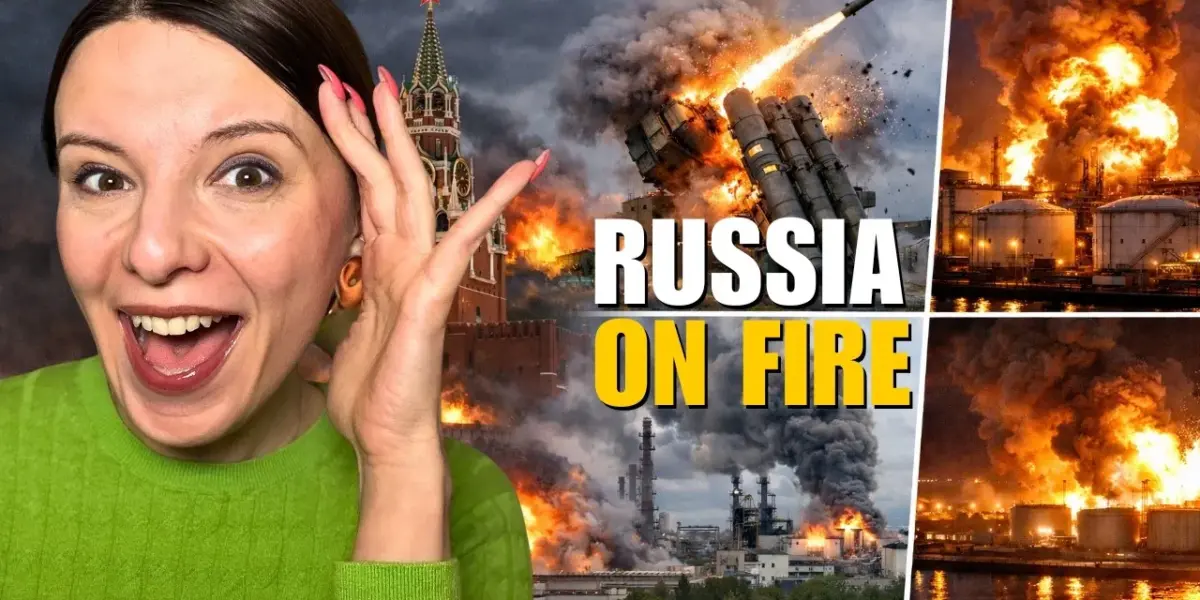
Ukraine Targets Russian Oil Infrastructure, Weakens Air Defenses
Ukraine has intensified its long-range strike campaign against Russia, successfully targeting key oil infrastructure and significantly degrading Russian air defense capabilities. Recent Ukrainian drone attacks have crippled major oil export terminals and refineries, impacting Russia’s vital energy revenues. These operations come as Ukraine’s own drone production and technological advancements allow for a sustained offensive deep within Russian territory.
Oil Terminals Halted by Drone Strikes
In a strategic move to cut off a major source of funding for Russia’s war effort, Ukrainian drones have repeatedly targeted oil export terminals in Primorsk and Ust-Luga. These attacks have forced two of Russia’s largest Baltic oil hubs to cease operations. The strikes also hit an oil refinery located near these terminals, further disrupting the supply chain. This coordinated effort aims to undermine Russia’s “dig and sell” economy, which relies heavily on oil and gas exports.
Air Defense Systems Degraded
Ukrainian forces are reportedly destroying Russian air defense systems at an accelerated rate, approximately ten times faster than in earlier stages of the conflict. This degradation of air defenses, particularly in regions like Crimea, has opened up Russian territory to further Ukrainian drone incursions. The transcript suggests a strategic reallocation of air defense assets, with systems being moved from other Russian regions to protect Moscow and St. Petersburg, leaving other areas more vulnerable.
Broader Strikes on Military and Industrial Sites
Beyond energy infrastructure, Ukraine has also targeted a range of Russian military and industrial facilities. This includes explosions reported at military sites and training locations in Moscow. Chemical plants such as Azot, Tolyatti-Kauchuk in the Samara region, and another in Taganrog have also been neutralized. A semiconductor production plant in Bryansk, crucial for missile manufacturing, was also targeted. These strikes demonstrate Ukraine’s focus on degrading Russia’s military-industrial complex.
Strategic Implications
The effectiveness of these Ukrainian strikes carries significant strategic weight. By targeting oil infrastructure, Ukraine directly impacts Russia’s federal budget, a primary source of funding for its military operations. The degradation of Russian air defenses not only allows for deeper penetration of Ukrainian drones but also forces Russia to divert resources from the front lines to protect its core territories. This creates a tactical advantage for Ukraine, allowing for more effective operations within Russian airspace.
The strategy appears to be a deliberate effort to dismantle Russia’s war-making capacity by targeting its economic backbone and its ability to defend itself. This approach prioritizes the destruction of military facilities and production sites over civilian targets, aiming to minimize innocent casualties while maximizing pressure on the aggressor.
Technological Edge and Production
Ukraine’s success is attributed, in part, to its increasing drone production capabilities. The transcript highlights a significant increase in the number of drones deployed, with reports suggesting days where Ukraine sends more drones into Russia than Russia sends into Ukraine. The mention of Ukrainian housewives contributing to drone production, while anecdotal, underscores a broad-based national effort. Furthermore, access to technologies like Starlink has been crucial for maintaining communication and situational awareness for Ukrainian forces, contrasting sharply with reported internet restrictions and communication issues within Russia.
Geopolitical Impact
These developments have broader geopolitical implications. The successful disruption of Russian oil exports, particularly as some sanctions were lifted, aims to counter potential revenue gains for Moscow. The ongoing degradation of Russian military capabilities could influence future negotiations and the long-term stability of the Russian Federation. The narrative presented suggests a growing internal pressure within Russia, as citizens witness the impact of the war on their economy and security, potentially leading to increased dissent against the current leadership.
Historical Parallels
The current situation echoes historical instances where sustained, targeted strikes on an adversary’s economic and logistical infrastructure have played a critical role in altering the course of conflicts. While the specifics of drone warfare are modern, the strategic principle of weakening an enemy’s ability to wage war by disrupting its resource flow and industrial capacity is a long-standing military doctrine. The impact on Russian morale and internal stability, as depicted, also draws parallels to how prolonged military setbacks can erode public support and governmental authority.
Source: RUSSIA AIR DEFENSE COLLAPSE: MOSCOW SAMARA KSTOVO PRIMORSK UST-LUGA Vlog 1370: War in Ukraine (YouTube)

Related Articles
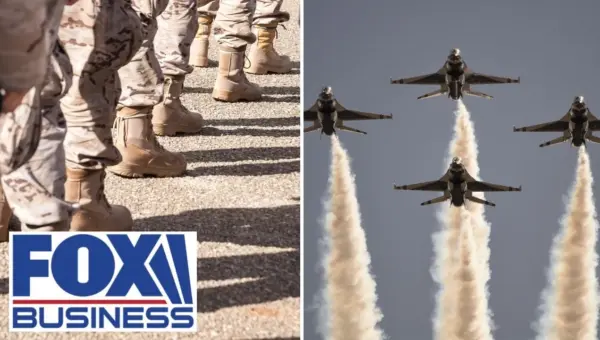
Iran’s Drone Swarms Challenge US Military Might
Iran's growing use of low-cost drone swarms presents a new challenge for the U.S. military, forcing a shift towards a high-low mix of advanced and affordable systems. This evolution may lead to fewer frontline troops in future conflicts.

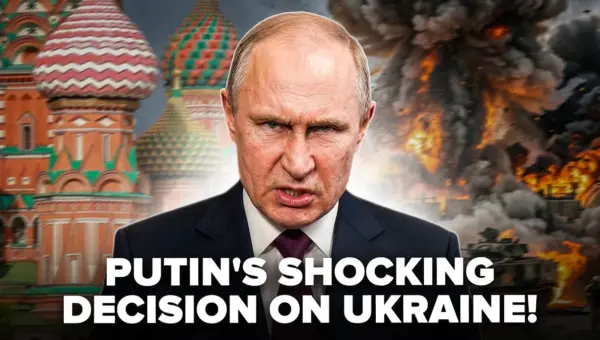
Russia Faces Last-Ditch Offensive, Internal Cracks
Russia may be launching a final major offensive in Ukraine as it faces mounting internal pressures. Analysts suggest this push is a last resort before significant manpower and financial issues arise. Meanwhile, increasing domestic information control and official criticism highlight growing cracks within the Russian establishment.


Ukraine Soldiers Share Combat Secrets with British Army
Ukrainian soldiers are sharing vital combat experience and drone warfare expertise with British troops in England as part of Operation Interflex. The program allows veterans to teach allies about modern battlefield realities while also learning new skills, enhancing international military cooperation and preparedness.