Ukraine Strikes Russian Oil Hubs, Straining War Funding
Ukraine's repeated strikes on Russian oil export terminals are targeting the financial backbone of Moscow's war machine. These attacks aim to cripple Russia's revenue streams and force a costly defense of its energy infrastructure, creating significant economic and political pressure on the Kremlin.

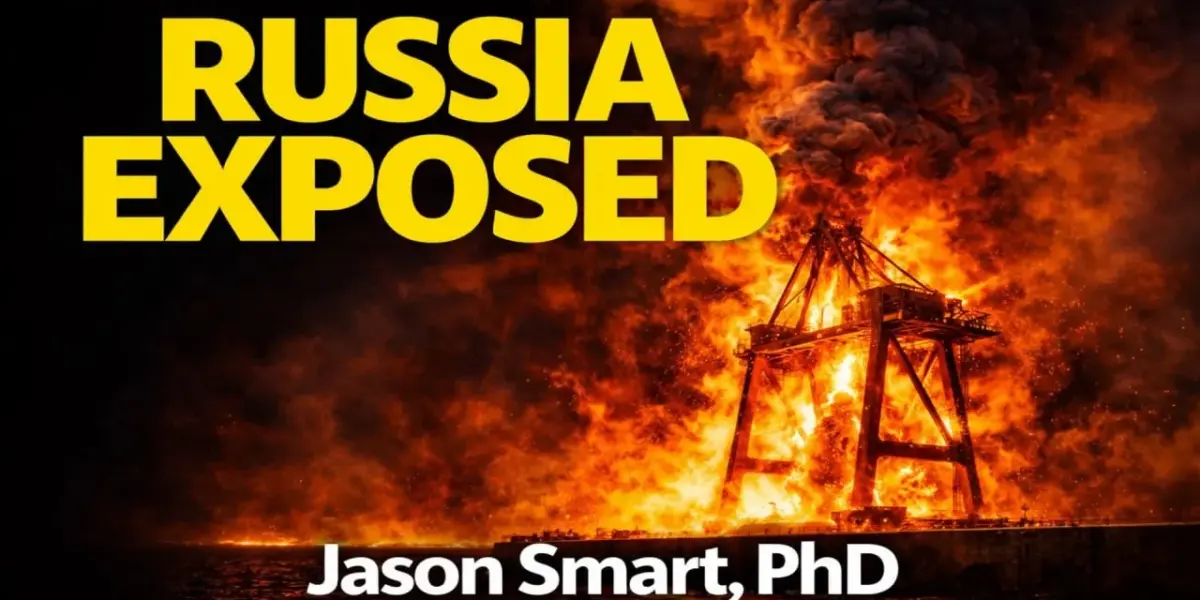
Ukraine Strikes Russian Oil Hubs, Straining War Funding
Recent Ukrainian attacks on key Russian energy infrastructure, including major oil export terminals in the Baltic Sea, signal a significant shift in the conflict. These strikes are designed to cripple Russia’s ability to finance its war effort and are creating new pressures on the Kremlin. The repeated targeting of these vital economic arteries suggests Ukraine is moving beyond solely battlefield objectives.
Targeting Russia’s Economic Lifelines
Ukraine has intensified its campaign against Russia’s economic systems, striking facilities that are crucial for funding the ongoing conflict. Attacks have focused on oil export terminals, directly impacting Russia’s revenue streams. For instance, the Luga terminal, a primary Baltic export hub, saw its capacity significantly reduced after recent strikes. Before the attacks, it could handle about 350,000 barrels per day. Similarly, the Primorsk facility, which processes around 1 million barrels of crude oil and 300,000 barrels of diesel daily, has also come under pressure.
By targeting these key locations, Ukraine is not just hitting isolated sites but is pressuring the entire Baltic export corridor. This strategy forces Russia to divert resources and attention from the front lines to protect its vital supply routes. Protecting these routes, which are essential for generating the cash flow needed to sustain the war, presents a growing challenge for Moscow.
A New Front: Economic Warfare
This approach represents a new phase of the conflict, moving beyond traditional military engagements. Ukraine understands that it does not need to destroy every facility to be effective. Instead, the goal is to make the system slower, riskier, and more expensive for Russia to operate. This economic pressure is seen as a direct threat to the stability of Vladimir Putin’s regime.
The transcript highlights that repeated strikes on the same economic chains are difficult for the Kremlin to hide. When elites within Russia perceive that their protected assets are becoming vulnerable and that the state cannot adequately protect its revenue sources, it can lead to internal instability. This situation is described as a full-blown crisis, forcing Russia to defend more than just the battlefield.
Strategic Implications
The attacks on oil infrastructure have several strategic implications. Firstly, they directly impact Russia’s ability to generate revenue, which is critical for funding its military operations. Reduced oil exports mean less money available for military supplies, equipment, and troop support.
Secondly, these strikes force Russia to spread its defensive capabilities thinner. Instead of concentrating on the front lines in Ukraine, Moscow must now allocate resources to protect its rear areas, including critical energy infrastructure spread across its vast territory. This is particularly challenging given Russia’s size, spanning 11 time zones, making comprehensive protection of all pipelines and facilities nearly impossible.
Thirdly, the attacks aim to increase the cost and risk associated with transporting Russian oil. This could deter potential buyers and shipping companies, further isolating Russia economically. Ukraine is effectively enforcing sanctions by making it more difficult and dangerous to trade Russian oil.
Historical Parallels and Broader Impact
Historically, Russia has relied on its size and resource base to outlast opponents in protracted conflicts. However, modern warfare, particularly with the use of drones and precision strikes, can negate some of these traditional advantages. Ukraine’s strategy of targeting critical nodes rather than engaging in large-scale attritional warfare appears to be exploiting this shift.
The broader geopolitical impact includes increased global energy market volatility and a stronger push for energy independence among Western nations. The economic strain on Russia could also lead to increased internal dissent and pressure on the leadership. The transcript mentions that elites are becoming tired of a war that costs them money and opportunities, suggesting a potential erosion of support for the conflict from within Russia.
Internal Russian Dynamics
The article also touches upon internal dynamics within Russia. The surprise and nervousness seen in Moscow suggest that the Kremlin may be struggling to adapt to this new form of warfare. There are also indications of internal power struggles, with figures like Defense Minister Belousov reportedly focusing on rooting out corruption, potentially diverting attention from military strategy.
Vladimir Putin’s leadership is being tested as he faces declining revenues and increasing security challenges. The reliance on internal resources and the potential need to ask elites to fund the war further complicate his position. The lack of clear strategies to address these multifaceted problems could lead to further instability.
Future Outlook
Ukraine’s campaign appears to be entering a new, more ambitious chapter. Beyond striking infrastructure within Russia, attacks are also increasing in occupied territories, including Crimea. These strikes target radar systems, airfields, and weapon systems, further degrading Russia’s military capabilities and forcing it to defend positions far from the Ukrainian border.
The current situation suggests that Russia is struggling to secure its territory, with attacks occurring hundreds of miles from Ukraine’s borders. This widespread vulnerability raises questions about where Russia can find security and whether it can withstand the sustained pressure. The ongoing attacks signal that the pressure on the Putin regime is likely to continue, with potentially significant consequences for its future.
Source: Kremlin Can’t Hide THIS Failure (YouTube)

Related Articles

Trump’s Fury Erupts as Iran Vows Retaliation Amidst Escalating Tensions
Former President Donald Trump has reportedly reacted with intense anger following U.S. and Israeli strikes on Iranian steel plants. Iran has vowed massive retaliation, raising concerns about regional stability and potential escalation. This event draws on a long history of U.S.-Iran tensions.


UK Must “Rearm Rapidly” as Old World Order Dies
A new report from UK MPs and peers declares the old liberal international order dead, warning that Britain can no longer rely on the US for defense. The committee urges the UK to rapidly rebuild its military power and forge new alliances with European partners and middle powers to navigate an increasingly dangerous world.

Israel Strikes Iran Nuclear Sites Amid Stalled Talks
Israel has struck key Iranian nuclear facilities, including uranium enrichment and heavy water plants, amid stalled international negotiations. The U.S. is pushing for a deal to curb Iran's nuclear ambitions while also seeking allied support to secure the vital Strait of Hormuz.