Ukraine Strikes Russian Oil Hubs, Straining Air Defenses
Ukraine's escalating strikes on Russian oil infrastructure are straining Moscow's air defenses and disrupting vital exports. The Russian army also faces significant personnel shortages, while internal issues like internet outages persist. Meanwhile, global energy markets are impacted by the Middle East conflict, prompting Europe to consider emergency measures.

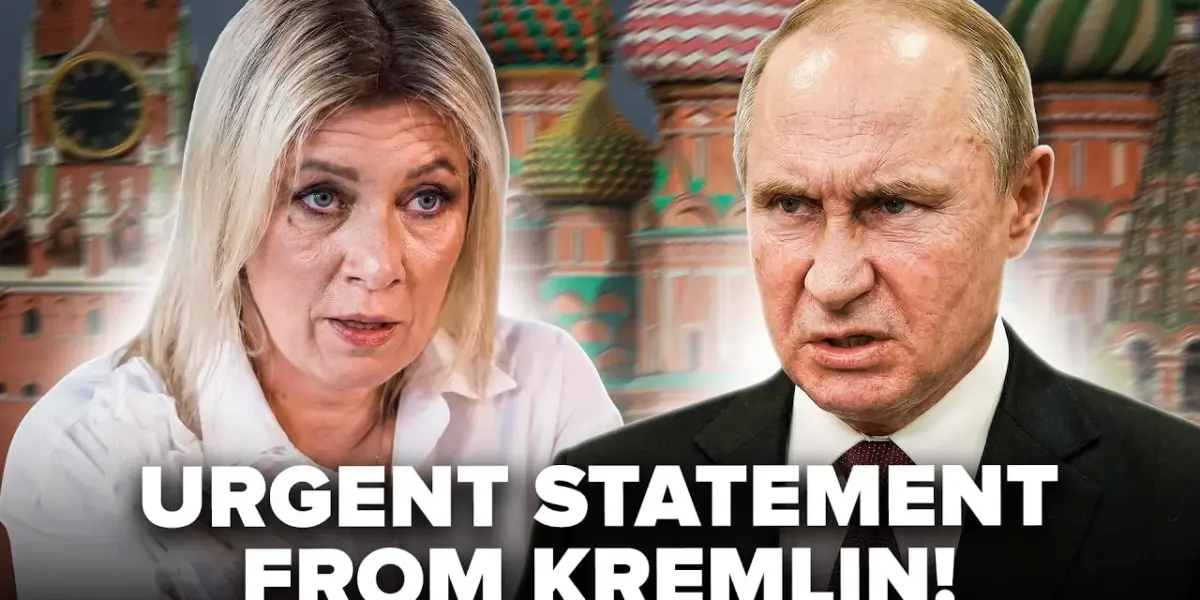
Ukraine Hits Russian Oil Facilities, Straining Air Defenses
Ukraine is increasingly targeting Russia’s vital oil infrastructure, causing significant damage and stretching Moscow’s air defense capabilities to their limits. Recent strikes on key oil terminals have disrupted exports and forced Russia to divert resources, according to reports from Ukrainian officials and military analysts.
Attacks on Oil Infrastructure Intensify
Ukrainian forces have conducted a series of long-range attacks on Russia’s oil facilities. On April 6th, Ukrainian drones hit the Shisharis terminal and facilities at Free Gate and Marshal V. M. Makarov in Novorossiysk. These strikes are part of a broader campaign aimed at disrupting Russia’s oil exports, a crucial source of revenue for the Kremlin.
The Institute for the Study of War (ISW) noted that Russia’s vast territory makes protecting these dispersed targets challenging, especially for older air defense systems. Ukraine has also previously targeted Russian radar systems, further complicating Moscow’s ability to defend its assets.
Air Defense Systems Overloaded
Russian war correspondents are expressing concern over the strain on their air defense systems. Reports indicate that these systems are struggling to intercept incoming Ukrainian drones and missiles. “Air defenses are becoming increasingly strained,” one correspondent noted. “Missiles are being used faster than they can be replenished.”
A significant challenge for Russia is the sheer volume of missiles required to protect its extensive infrastructure. One report highlighted the difficulty of producing the tens of thousands of missiles needed for systems like the Pantsir. Experts suggest Russia could benefit from adopting Ukraine’s tactics, such as using more mobile fire groups, drone interceptors, and acoustic surveillance for early detection.
Analysts also point out that Russia has not fully deployed mobile fire units or drone interceptors, and has relied on private companies for some anti-drone solutions. However, the recent Ukrainian targets appeared to lack adequate protection, suggesting vulnerabilities remain.
Troop Shortages Plague Russian Army
Beyond air defense challenges, the Russian army is reportedly facing significant personnel shortages. Recruitment of contract soldiers is falling short of targets. The “I Want to Live” initiative reported that in the first three months of this year, Russia recruited an average of 940 contract soldiers per day, below the planned 1,100-1,150.
Despite increased bonuses and efforts to pressure individuals into service, the number of volunteers is declining. Reports suggest that in the first part of the year, Russian losses may have exceeded new recruitments, with some estimates placing potential losses in March alone at over 35,000 troops.
To address this, Moscow has raised contract payments, with some regions offering bonuses of 50-80%. However, many new recruits reportedly have legal or financial problems, including criminal records or significant debt, indicating a struggle to find willing and suitable personnel.
Russia Issues Threats to Baltic States
Amidst its internal struggles, Moscow has issued warnings to the Baltic states. Russia claims these countries have allowed Ukraine to use their airspace for strikes on Russian territory, particularly targeting ports in the Baltic region. Maria Zakharova, a spokeswoman for the Russian Foreign Ministry, stated that these countries have been “duly warned” and will “face a response” if they do not heed the warning.
This threat comes as Ukraine continues its operations. On the night of April 7th, drones struck the port of Ust-Luga in Russia’s Leningrad region. Officials confirmed that at least 30% of the storage tanks at the port were damaged. Russian authorities stated that air defenses had intercepted 22 drones in the area. Earlier reports indicated that Ust-Luga had begun to resume oil exports at a minimal level after several days of disruption due to drone attacks.
Internet Outages and Election Concerns
Internal stability within Russia also appears to be a concern, with reports of widespread internet problems on the evening of April 6th. Bank and telecom websites experienced outages, affecting users in major cities like Moscow and St. Petersburg. This is not the first time Russia’s digital infrastructure has faced disruptions recently.
Meanwhile, in Hungary, ahead of its April 12th parliamentary elections, nearly half of citizens fear vote fraud and potential foreign interference. A poll indicated that many voters believe Prime Minister Viktor Orbán’s party could influence the election. Russia is seen as the most likely actor to interfere, with 48% of respondents believing Moscow will attempt to influence the vote.
Moldova has offered to share its experiences in countering Russian interference, having accused Moscow of large-scale destabilization campaigns. Moldova claims to have developed successful strategies against Russian tactics, including vote-buying, cyberattacks, and disinformation campaigns, and is willing to share these with EU member states.
Middle East War Worsens Energy Crisis for Europe
The ongoing conflict in the Middle East is exacerbating Europe’s energy crisis. Concerns over potential disruptions to the Strait of Hormuz and attacks on energy facilities are impacting global markets. Europe is reportedly preparing emergency measures, including fuel rationing, flight restrictions, and stricter energy consumption controls.
Some European countries are already facing fuel shortages, and food prices have risen. While some advocate for restarting oil purchases from Russia, Brussels is preparing a package of emergency measures. These could include controlling indoor temperatures, limiting remote work, and rationing fuel. Italy, for example, is experiencing significant jet fuel shortages, prioritizing only medical and government flights.
European officials are urging member states to limit energy subsidies and price caps, warning that the current situation could escalate into a wider financial crisis. This follows the economic shocks from the COVID-19 pandemic and Russia’s full-scale invasion of Ukraine in 2022.
Source: ⚡️Russia was rocked by massive explosions! Kremlin lashed out. Moscow is panicking over EU (YouTube)

Related Articles
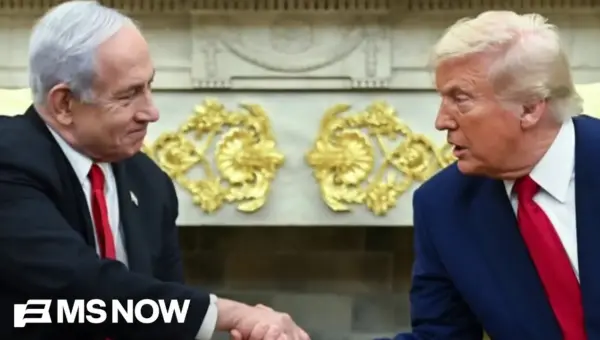
Netanyahu’s Pitch Pushed Trump Towards Iran War, Report Says
A New York Times report suggests Israeli Prime Minister Netanyahu's presentation heavily influenced President Trump's push towards conflict with Iran. Military officials reportedly raised concerns about civilian targets, highlighting internal pushback against proposed actions. The situation also raises questions about the U.S.-Israeli relationship and future diplomatic efforts.

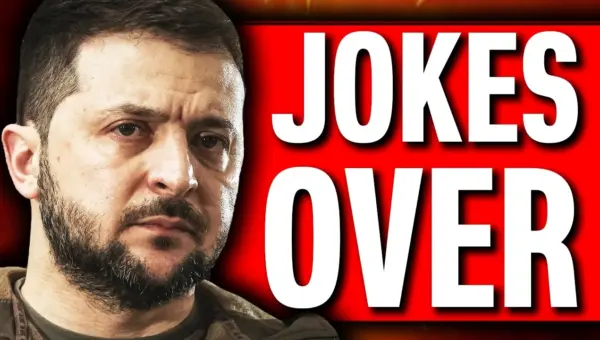
Ukraine Strikes Russian Oil, Shifts War Dynamics
Ukraine's long-range drone strikes are disrupting Russian oil infrastructure, including a major refinery shutdown. Former CIA Director David Petraeus notes Ukraine is shifting the war's dynamics, potentially taking the "upper hand" through technological innovation despite Russia's manpower advantage. This escalation coincides with Ukraine's ceasefire proposal and a critical bottleneck in its own drone engine production.


US Eyes Iran’s Oil: A Risky Ground Game
Discussing the idea of the U.S. taking Iran's oil, this analysis breaks down the geographic and political challenges. Iran's energy resources are concentrated in two key areas, each presenting unique difficulties for occupation. The potential for a humanitarian crisis and the lessons learned from past interventions in Iraq highlight the risks involved.