Ukraine Strikes Russian Oil Hubs, Sparking Regional Unrest
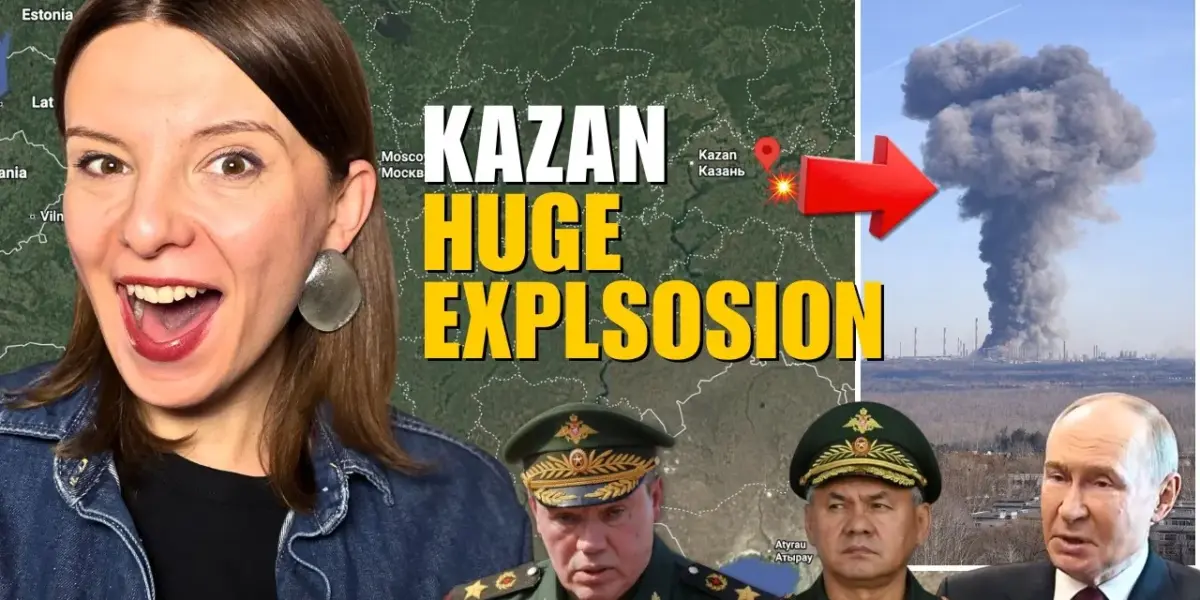
Ukraine has launched significant drone attacks on Russian oil refineries and a chemical plant in Tatarstan and Bashkortostan. These strikes target Russia's war economy and highlight growing discontent in rebellious regions. The attacks also come as Russia's key Ust-Luga oil export terminal remains crippled.

Ukraine Strikes Russian Oil Hubs, Sparking Regional Unrest
Ukrainian drone attacks have targeted key Russian oil facilities and a chemical plant in the republics of Tatarstan and Bashkortostan. These locations are far from the Ukrainian border. This strategic targeting aims to cripple Russia’s war economy and highlights growing discontent within Russian regions. The attacks also come as Russia’s main oil export terminal in the Baltic, Ust-Luga, continues to burn after sustained drone strikes.
Deep Strikes Challenge Russian Defenses
The recent strikes on oil refineries in Tatarstan and a chemical plant in Bashkortostan represent a significant escalation. Tatarstan and Bashkortostan are republics within Russia that previously sought independence in the 1990s. Russian state media often describes these regions as rebellious. The attacks suggest Ukraine is extending its reach deep into Russian territory. This challenges Russia’s ability to protect vital economic and military infrastructure.
The Tatarstan refinery is a crucial part of Russia’s oil processing capacity. The chemical plant in Bashkortostan produces materials essential for explosives, directly impacting Russia’s war industry. These strikes paralyze Russia’s ability to fund its ongoing military operations. They also demonstrate a weakness in Russia’s air defense systems, which have struggled to prevent repeated attacks on strategic sites.
Ust-Luga Terminal Remains Crippled
Meanwhile, Russia’s most important oil export terminal in the Baltic Sea, Ust-Luga, has been under attack for three consecutive days. The sustained drone strikes have effectively destroyed the facility, halting operations. This terminal is vital for Russia’s oil exports, and its destruction significantly impacts the country’s revenue streams. The inability to protect such a critical site for an extended period exposes a major vulnerability.
Regional Discontent Simmers
The attacks in Tatarstan and Bashkortostan may amplify existing tensions within these regions. Both republics have distinct cultural identities, with many residents being Muslim and speaking different languages than Russian. Their past attempts at independence and descriptions as rebellious suggest a potential disconnect from Moscow’s imperial ambitions. As these regions experience the direct consequences of the war through explosions and potential economic fallout, their loyalty to the Kremlin may further erode.
The strikes also come at a time when many Russian cities are experiencing internet shutdowns and public dissatisfaction. Protests, sometimes disguised as environmental concerns, have occurred in these regions. The Kremlin’s response, including increased internet restrictions, appears aimed at controlling information and preventing panic. However, these measures may inadvertently increase anxiety and discontent among ordinary Russians.
Strategic Implications
The Ukrainian strikes on Russian oil infrastructure have several critical implications. Firstly, they directly target Russia’s ability to finance its war effort. By reducing oil exports and refinery output, Ukraine aims to starve the Russian military of funds. Secondly, the repeated success of these attacks, particularly at Ust-Luga, reveals flaws in Russia’s air defense capabilities. This could embolden further Ukrainian strikes on other strategic targets.
Thirdly, the attacks in regions like Tatarstan and Bashkortostan could exacerbate internal divisions within Russia. These regions have historical grievances and may be less willing to bear the costs of a war that does not align with their regional interests. The psychological impact of explosions occurring far from the front lines can also sow doubt and fear among the Russian population, undermining public support for the war.
Historical Parallels
The targeting of economic infrastructure during wartime is a long-standing military strategy. Throughout history, nations have sought to cripple an adversary’s ability to wage war by disrupting supply lines and revenue generation. For example, during World War II, Allied bombing campaigns heavily targeted German industrial centers and oil production facilities. Similarly, the current Ukrainian strategy echoes efforts to isolate and weaken an aggressor economically and militarily.
Geopolitical Context
These developments occur against a backdrop of shifting international sanctions and political dynamics. The mention of the White House lifting certain sanctions on Russia and Iran, described as inexplicable, adds a complex layer. Ukraine’s strategy appears to be a direct response to prevent Russia from capitalizing on any perceived international leniency. By continuing to target oil exports, Ukraine aims to ensure that Russia cannot easily fund its military actions, regardless of external political decisions.
The broader geopolitical message is that authoritarian regimes like Russia pose a threat not only to their neighbors but also to global stability. The article suggests that Ukraine’s fight is not just for its own survival but also to prevent similar aggression elsewhere, referencing potential threats to Taiwan and other nations. The success of these strikes is presented as proof that decisive action can deter future aggression.
Source: RUSSIA HUGE EXPLOSIONS: KAZAN BASHKORTOSTAN UST-LUGA AGAIN Vlog 1365: War in Ukraine (YouTube)

Related Articles


War Analyst Unveils Studio, Focuses on Ukraine
A war analyst has revealed his content creation studio, showcasing the setup behind his Ukraine-focused analyses. He discussed his equipment, personal memorabilia, and a new membership program aimed at supporting Ukraine and diversifying revenue.


Russia’s Manpower Crisis Deepens
Russia faces a critical military manpower crisis, with monthly losses exceeding recruitment figures. This deficit is forcing a shift in recruitment demographics, potentially destabilizing major cities and the regime itself. Deepening economic strain and ethnic tensions further complicate Moscow's ability to sustain the war effort.

Ukraine’s New Drone Strikes Deep: A Game Changer?
Ukraine's new Blisskovka "Lightning" drone, a modified Russian design, offers extended range and heavy payloads at a lower cost. This innovation allows for deep strikes on enemy supply lines and fortifications, marking a significant development in drone warfare.