Ukraine Strikes Russian Oil Hub, Hits Refinery
Ukrainian drones have struck Russia's largest Baltic oil export hub in Primorsk, causing significant fires. A refinery in Ufa was also hit, demonstrating Ukraine's extended reach. These attacks aim to cripple Russia's war funding.

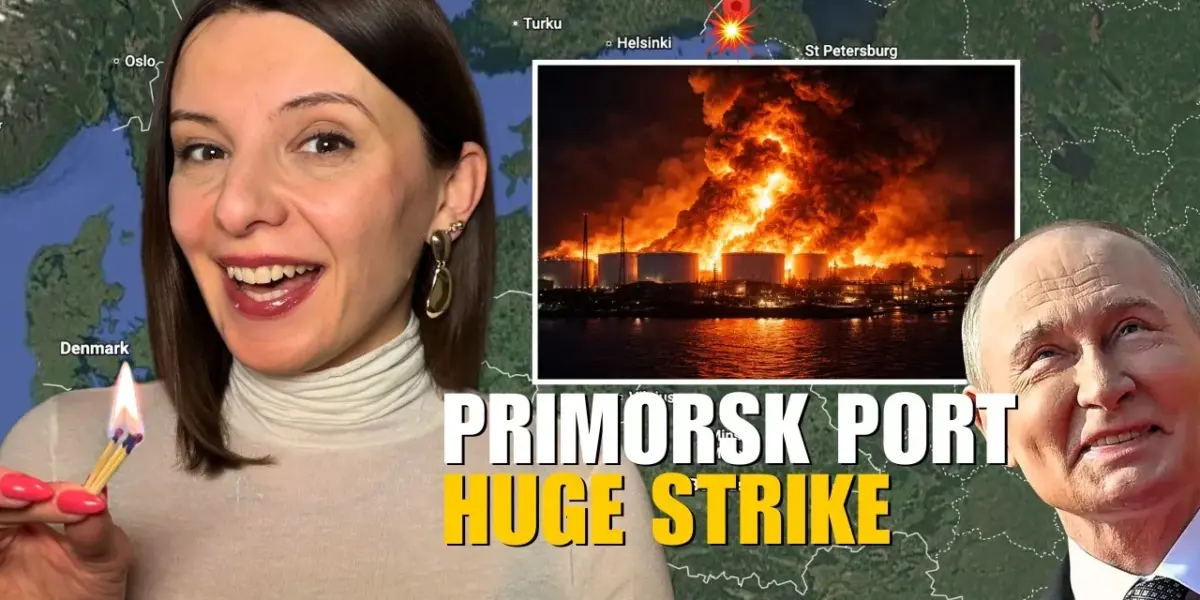
Ukraine Strikes Russian Oil Hub, Hits Refinery
Ukrainian drones launched significant strikes against Russia’s oil infrastructure in the Baltic region and deep within Russian territory. The attacks targeted Primorsk, a major oil export hub, and an oil refinery in Ufa, demonstrating Ukraine’s growing capability to strike strategic Russian assets far from the front lines. These actions come as some nations reportedly consider lifting sanctions on Russia, a move Ukraine argues directly fuels its war machine.
Primorsk Oil Hub Engulfed in Flames
Last night, Ukrainian drones successfully struck Primorsk, a key Russian oil export terminal on the Baltic Sea. Reports indicate that two large oil depots at the facility are currently burning. Primorsk serves as Russia’s largest oil export hub on the Baltic, capable of handling approximately 1 million barrels of oil per day. The terminal is also used for fueling Russia’s ‘ghost fleet,’ a shadow fleet of oil tankers used to circumvent Western sanctions.
The terminal is the end point for Russia’s Baltic pipeline. With the depots burning, operations at the hub are reportedly halted. This disruption directly impacts Russia’s ability to export oil globally and generate revenue. The burning oil represents not only a physical loss of product but also a financial blow to the Kremlin’s war efforts.
Ufa Refinery Targeted Deep Inside Russia
In a separate strike, Ukrainian drones reached an oil refinery in Ufa, a city located far from the Ukrainian border. This attack illustrates Ukraine’s expanding operational reach. The strike validates concerns expressed by Russian officials, who have acknowledged Ukraine’s ability to penetrate deeper into Russian territory. The Ufa refinery is considered an important facility, and its targeting suggests Ukraine is prioritizing attacks on key industrial and energy infrastructure.
Strategic Implications on the Ground
These strikes carry significant strategic weight. By targeting oil export hubs and refineries, Ukraine aims to cripple Russia’s primary source of revenue that funds its military operations. The ability of Ukrainian drones to reach these distant targets also highlights potential weaknesses in Russian air defense systems. Russian officials have reportedly blamed corruption and mismanagement within their armed forces for these security lapses.
The ongoing drone operations over the European part of the Russian Federation have disrupted normal operations, with thousands reportedly waiting for airports to reopen. This suggests Ukrainian drones are effectively controlling the skies in these areas.
The attacks demonstrate a shift in Ukraine’s strategy, moving beyond defensive actions to offensive strikes on critical Russian economic infrastructure. This approach aims to impose tangible costs on Russia for its invasion and pressure its ability to sustain the war effort. The targeting of oil facilities is particularly effective, as oil exports are a major source of income for the Russian government.
Broader Geopolitical Context
The strikes occur amidst reports of some nations considering lifting sanctions on Russia. Ukraine argues that such a move would be a grave error, allowing Russia to earn more money to fund its aggression. By demonstrating the vulnerability of Russia’s oil infrastructure, Ukraine aims to underscore the importance of maintaining and even strengthening sanctions. The attacks serve as a potent reminder that the conflict’s economic consequences extend to Russia itself.
The effectiveness of these Ukrainian drone strikes suggests they are becoming a primary tool for imposing ‘non-liftable’ sanctions. The fact that these attacks can reach deep into Russia, as exemplified by the Ufa refinery strike, suggests that no Russian strategic asset related to its war economy is entirely safe. This persistent pressure aims to weaken Russia’s resolve and its capacity to wage war.
Historical Parallels
The targeting of critical infrastructure to disrupt an adversary’s war-fighting capability is a long-standing military tactic. Throughout history, nations have attacked enemy supply lines, industrial centers, and energy resources to degrade their ability to conduct military operations. These Ukrainian strikes on Russian oil infrastructure echo historical examples where crippling economic arteries has proven decisive in weakening a nation’s war effort.
The current situation also highlights the evolving nature of asymmetric warfare. Drones, once a niche technology, are now proving to be highly effective tools for reconnaissance and attack, capable of reaching targets previously considered inaccessible. This development forces a re-evaluation of traditional air defense strategies and the security of vital national infrastructure.
Looking Ahead
Ukraine asserts that these strikes are part of a broader effort to demilitarize Russia and bring about its defeat. The continued success of these operations could further isolate Russia economically and militarily. The narrative presented by Ukrainian sources suggests a growing confidence in their ability to project power deep within Russia, challenging the Kremlin’s narrative of control and security.
The attacks on Primorsk and Ufa underscore the ongoing and evolving nature of the conflict. They highlight Ukraine’s determination to disrupt Russia’s economic lifelines and demonstrate that the war’s impact is increasingly being felt within Russia itself. The effectiveness of these drone operations suggests they will likely remain a key component of Ukraine’s strategy moving forward.
Source: PRIMORSK UST-LUGA HUGE STRIKES: RUSSIA OIL EXPORT BIG PROBLEMS Vlog 1357: War in Ukraine (YouTube)

Related Articles


Ukraine Strikes Russian Oil Refinery, Eyes Iran Threat
Ukrainian forces struck a key Russian oil refinery, disrupting Moscow's war capabilities. Meanwhile, Finland's president urged continued U.S. support for Ukraine, as Kyiv shares its air defense expertise globally amid growing geopolitical complexities involving Iran and potential sanctions against Hungary.

US Weighs Shifting Ukraine Weapons to Iran Amid Missile Shortage
The U.S. is reportedly considering diverting weapons destined for Ukraine to support operations against Iran, driven by rapidly depleted missile stocks. This potential shift raises concerns about Ukraine's defense capabilities and highlights the complex interplay between global conflicts.


Ukraine Strikes Cripple Russian Oil Exports
Ukrainian drone strikes are crippling Russia's oil exports and damaging its economy, leading to falling domestic support for President Putin. The targeted attacks on refineries and terminals aim to cut off war funding and have significant geopolitical consequences.