Ukraine Strikes Russian Military Factories, Gains Territory
Ukraine has intensified its strikes on Russian military production facilities, targeting key sites in Bryansk and Tolyatti. Simultaneously, Ukrainian forces have recaptured significant territory, with reports indicating the disabling of Russian communication systems. These developments are reportedly causing panic among Russian military bloggers and signaling a potential shift in the conflict's momentum.

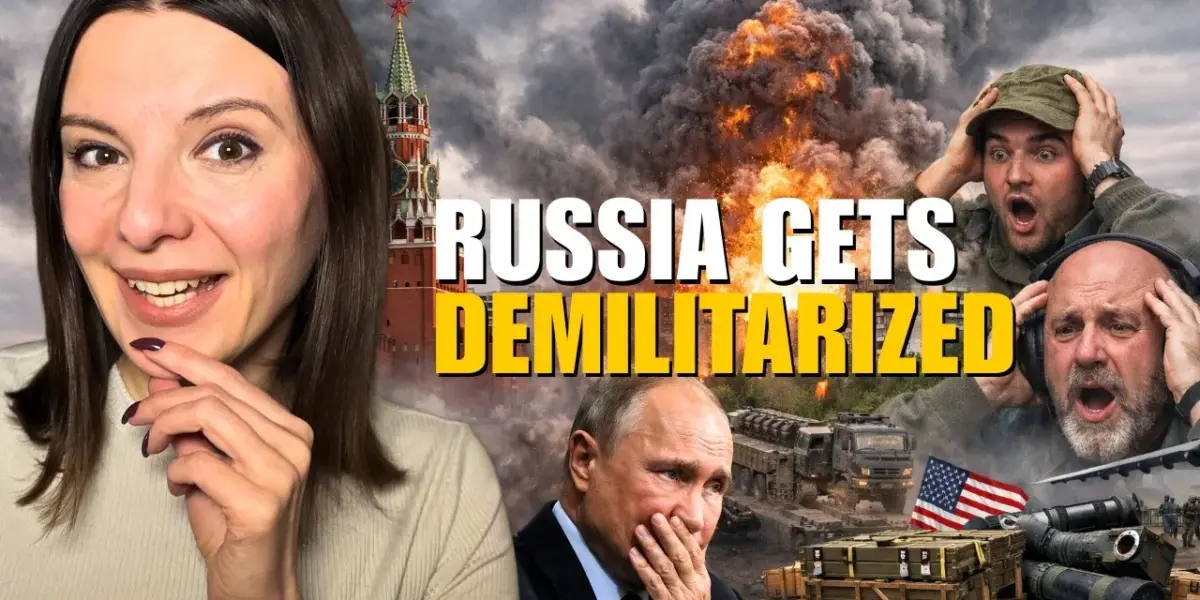
Ukraine Strikes Russian Military Factories, Gains Territory
Recent Ukrainian strikes have targeted key Russian military industrial sites, including a microelectronics factory in Bryansk and a chemical production center in Tolyatti. These attacks, reportedly utilizing Storm Shadow and SCALP missiles, aim to degrade Russia’s ability to produce advanced weaponry, particularly missiles reliant on sophisticated electronic components. Concurrently, Ukraine has reportedly regained approximately 460 square kilometers of territory previously occupied by Russian forces, marking the first significant territorial reclamation since late 2023, according to the Institute for the Study of War (ISW). This development follows reports of disruptions to Russian military communications and targeting systems, including the alleged disabling of Starlink services for Russian troops and a subsequent Kremlin decision to restrict access to Telegram.
Targeting Russia’s Industrial Base
The destruction of the Bryansk factory is seen as a strategic blow to Russia’s defense industry. This facility was reportedly involved in the development of microelectronics, including chips and semiconductors essential for various Russian missile systems. By targeting such a critical node, Ukraine aims to create a cascading effect, paralyzing the production capabilities of numerous other factories involved in missile manufacturing. This approach aligns with a broader strategy of dismantling Russia’s military-industrial complex, thereby hindering its capacity to sustain offensive operations.
The attack on the Tolyatti facility, described as a center for military-chemical production, underscores Ukraine’s intent to disrupt Russia’s broader war-making potential. The effectiveness of such strikes is highlighted by Russian bloggers, who express surprise at the perceived weaknesses in Russian air defense systems, contrasting with official state media narratives of imminent victory. These strikes are framed not only as defensive measures but as a direct response to Russia’s alleged role in fomenting global instability and conflicts, citing past sabotage actions attributed to Russia in various international arsenals.
Territorial Gains and Strategic Setbacks for Russia
The ISW report indicating Ukraine’s recapture of territory is a significant indicator of shifting battlefield dynamics. The regained 460 square kilometers represents a notable achievement, especially considering the slow pace of territorial advances by Russian forces since the full-scale invasion began. Strategically, even small territorial gains can be crucial for controlling key terrain, disrupting enemy logistics, and bolstering morale. The ISW’s analysis suggests that Russia has occupied less than two percent of Ukrainian territory over the past two years, despite significant troop commitments and casualties.
The reported disruption of Starlink services for Russian troops is cited as a factor enabling these Ukrainian advances. The inability to effectively coordinate drone operations and troop movements reportedly created vulnerabilities that Ukraine exploited. This highlights the critical role of modern communication and satellite technology in contemporary warfare. The subsequent Kremlin decision to restrict Telegram, a platform reportedly used for communication by Russian forces, is interpreted as a desperate measure to control information flow and suppress internal dissent, rather than a response to battlefield successes.
Shifting Geopolitical Role and Russian Internal Reactions
The narrative emerging from Ukraine suggests a transformation in its international standing. From a nation seeking to demilitarize Ukraine, Russia now faces a Ukraine that is reportedly exporting drone technology to allies like the United States and Saudi Arabia, with Ukrainian drone interceptors proving effective against Russian and Iranian drones. This shift positions Ukraine not just as a recipient of Western aid but as a significant player in the global defense market and a hub for military innovation.
Within Russia, the evolving situation is reportedly causing significant consternation among pro-Kremlin bloggers. Questions such as “why did we deserve all this?” and “how did we get from our plan to demilitarize Ukraine to Ukraine selling drones to the US?” reflect a growing disillusionment and panic. The reported crackdown on Telegram is seen by some as a sign of desperation, aimed at silencing criticism and preventing the organization of protests. This internal reaction underscores the growing disconnect between official propaganda and the realities faced by the Russian populace and military.
Strategic Implications
The sustained targeting of Russia’s military industrial capacity, coupled with Ukrainian territorial gains, suggests a strategic shift favoring Ukraine. By degrading Russia’s ability to produce advanced weaponry, Ukraine aims to blunt future offensives and create opportunities for further counter-advances. The successful recapture of territory, even if incremental, demonstrates Ukraine’s resilience and growing battlefield effectiveness. The reported communication disruptions experienced by Russian forces underscore the importance of technological parity and robust command-and-control systems in modern warfare.
Geopolitically, Ukraine’s emergence as a significant defense exporter, particularly in drone technology, alters its role in international security. This development strengthens its alliances and potentially influences global defense markets. Conversely, Russia’s internal struggles, including reported discontent among its own bloggers and potential communication vulnerabilities, suggest a regime under increasing pressure. The Kremlin’s perceived attempts to control information and suppress dissent may indicate a weakening of its grip on the narrative and a growing challenge to its authority both domestically and internationally.
For the first time since 2023, Russia is losing territories it managed to occupy previously. We liberated 460 square kilometers of Ukrainian territory.
Historical Parallels
The current phase of the conflict, with Ukraine systematically targeting Russia’s industrial capacity, echoes historical strategies employed during World War II, where Allied bombing campaigns aimed to cripple Axis war production. Similarly, the reported disruption of Russian military communications through electronic warfare and jamming has parallels in various conflicts where control of the electromagnetic spectrum has proven decisive. The internal dissent and panic among Russian bloggers, amplified by the inability to achieve swift military objectives, can be compared to the erosion of public and elite confidence in regimes facing protracted and costly wars.
Weapons and Tactics
The mention of Storm Shadow and SCALP missiles highlights the increasing role of long-range precision-guided munitions in the conflict. These air-launched cruise missiles, supplied by Western allies, allow Ukraine to strike deep into Russian-held territory and target critical infrastructure. The effectiveness of Ukrainian drone interceptors against Russian and Iranian drones points to advancements in electronic warfare and counter-drone technologies. The reliance on platforms like Telegram for communication, and its subsequent restriction, underscores the dual-edged nature of modern digital communication tools in military operations, offering efficiency but also creating potential vulnerabilities.
Source: KREMLIN BLOGGERS PANIC: RUSSIA AFTER MASSIVE STRIKES Vlog 1345: War in Ukraine (YouTube)

Related Articles

Kremlin Shakes: Elite Discontent Fuels Putin’s Paranoia
Internal turmoil and paranoia are reportedly gripping the Kremlin as President Putin faces growing elite discontent and the realities of the Ukraine war. Meanwhile, Russia's strategic involvement in the Iran conflict highlights complex calculations and potential risks, even as a wider global war remains unlikely.
Ukraine Hits Russian Oil, Pentagon Eyes Aid Shift
Ukraine's strikes are crippling Russian oil exports, with 40% of capacity offline. Meanwhile, the Pentagon may shift air defense aid to the Middle East. Ukraine is countering by deepening ties with Saudi Arabia and other Gulf nations, leveraging its combat experience.
Ukraine Strikes Russian Oil Refinery, Eyes Iran Threat
Ukrainian forces struck a key Russian oil refinery, disrupting Moscow's war capabilities. Meanwhile, Finland's president urged continued U.S. support for Ukraine, as Kyiv shares its air defense expertise globally amid growing geopolitical complexities involving Iran and potential sanctions against Hungary.