Ukraine Strikes Russian Hypersonics in Crimea
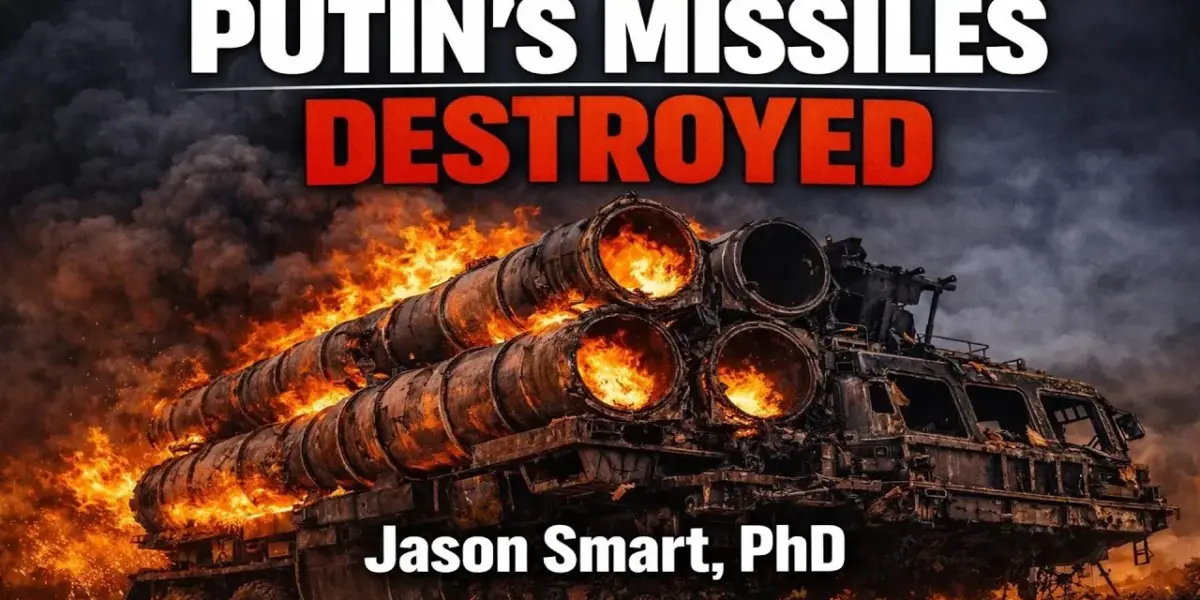
Ukraine has successfully destroyed Russian Zircon hypersonic missiles and a Bastion launcher system in Crimea, a significant blow to Russia's perceived security in the occupied peninsula. The strike highlights Ukraine's growing capability to hit high-value targets deep within Russian-controlled territory.

Ukraine Strikes Russian Hypersonics in Crimea
Ukraine has successfully targeted and destroyed Russian hypersonic missiles in Crimea, a significant development that challenges Russia’s claims of security in the occupied peninsula. The strike eliminated two Zircon missiles on the ground and a Bastion launcher system, according to reports. This action signals that areas previously considered secure rear zones for Russian forces are now vulnerable.
For years, Russian state media and officials promoted Crimea as an inviolable part of Russia, a sentiment deeply ingrained in national identity. The recent Ukrainian strike directly undermines this narrative, creating unease within Russia. This development occurs amidst growing speculation about Vladimir Putin’s prolonged absence from public view, with no official sightings for over two weeks. The Kremlin’s reticence regarding this situation reportedly fuels internal anxiety and raises questions about the stability within the Russian leadership.
Crimea’s Shifting Security Landscape
Dr. Jason Smart, a chief post special correspondent and national security adviser, highlighted the psychological impact of these strikes. He noted that Russia considered the annexation of Crimea irreversible, with public opinion polls in Russia ranking it as the second most significant historical moment for the nation, after Yuri Gagarin’s space flight. The idea that Crimea is not secure and can be easily attacked by Ukraine, destroying valuable Russian assets, strikes at the core of national fears.
The Ukrainian military intelligence agency, HUR, is credited with executing the operation. Reports suggest they were significantly ahead of Russian planning, intercepting a major planned Russian attack. This success demonstrates Ukraine’s ability to penetrate Russian defenses and strike critical assets, even those considered highly advanced and expensive. The destroyed Zircon missiles and Bastion launcher system are estimated to be worth millions of dollars, representing a substantial financial and military loss for Russia, especially given its current financial constraints.
Intelligence and Internal Disarray
The effectiveness of the Ukrainian strike has raised concerns within the Russian military about intelligence leaks. The repeated ability of Ukrainian forces to strike key Russian facilities and occupied territories at precise moments suggests potential internal vulnerabilities or disloyalty. This atmosphere of suspicion is compounded by ongoing purges and arrests within Russia’s defense establishment, including former Defense Minister Sergei Shoigu and his allies.
Adding to the internal turmoil, reports indicate that Israel has conducted attacks targeting an Iranian supply corridor in the Caspian Sea. This corridor is crucial for Russia to receive components for its drones and missiles from Iran, as Russia lacks the domestic capacity to produce all necessary parts for modern warfare. Disrupting this supply line further strains Russia’s military capabilities.
Broader Strategic Implications
The combined effect of these events suggests that Russia’s initial strategic assumptions for the war are unraveling. The expectation of acting with impunity, arming allies like Iran, and seizing Ukrainian territory without significant pushback appears to be failing. Russia’s reliance on external supplies and its inability to secure occupied territories place it in a precarious position.
The article also points to a shift in Russian tactics, suggesting a move towards terrorism. Recent attacks on civilian targets in Lviv, including a Catholic church and cathedral, are cited as examples of actions that do not advance Russia’s military objectives but demonstrate desperation. This is occurring while Vladimir Putin has not been seen publicly for 16 days, a situation that independent Russian media outlets are beginning to question. The increased security measures in cities like Moscow and St. Petersburg, including internet blackouts, are interpreted as potential signs of the regime anticipating Ukrainian retaliation and protecting its leadership.
Peace Talks and Historical Echoes
Russia’s approach to peace talks also draws scrutiny. The nomination of Vitaslav Nikonov, grandson of Vyacheslav Molotov (who signed the Molotov-Ribbentrop Pact with Nazi Germany), to represent Russia is seen as a symbolic gesture. It signals a desire to evoke historical precedents of power-sharing and spheres of influence, rather than a genuine pursuit of de-escalation. This mirrors past appointments, such as that of historical revisionist Vladimir Medinsky, suggesting a pattern of sending figures who project a specific, often nationalist, message rather than individuals with diplomatic experience.
The overall battlefield situation for Russia is described as deteriorating, particularly during its recent spring offensive. Reports indicate significant Russian troop losses, estimated at 900 in a 36-hour period across a 100-kilometer front, with no territorial gains. This highlights the immense cost of current Russian operations and the lack of strategic breakthroughs.
Long-Term Outlook
The current predicament for Russia involves not only battlefield setbacks but also internal strife, including soldiers attempting to desert and infighting at higher levels. Ukraine’s continued successful strikes in Crimea and within Russia, targeting refineries and other critical infrastructure, are seen as undermining Russia’s war-fighting capacity. In the long term, the article suggests that Putin’s diminishing control and the symbolic appointments to peace talks indicate a failure to grasp the severity of the situation, or possibly internal sabotage within intelligence services aiming to hasten Russia’s military defeat.
The ongoing attacks in various locations, from Crimea to Ufa, share a common theme: Russia being caught off guard. This, the article concludes, points toward Ukraine’s eventual victory drawing nearer.
Source: Putin's Best Missiles DESTROYED (YouTube)

Related Articles
Russia Targets Estonia With Disinformation in Border City
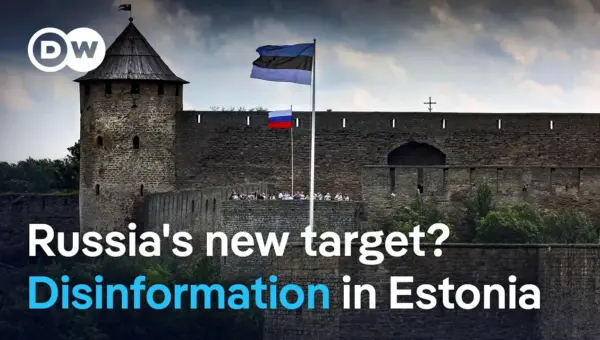
Russia is reportedly conducting a disinformation campaign targeting Estonia's border city of Narva, aiming to sow discord among its Russian-speaking population. The online operation promotes separatist ideas, though residents largely dismiss the claims as fake. Estonian authorities view the campaign as a low-cost effort to undermine trust, with no concrete evidence of direct Russian government involvement.


Ukraine Eyes Missile Production Boost
CBS correspondent Eden Stretch reports on Ukraine's growing role in defense manufacturing, particularly missile systems. She also details the resilience of Ukrainian families through a harsh winter and discusses the evolving perception of Ukraine as a strategic partner rather than a drain on U.S. resources.

Hungary Faces Crossroads: EU Ties or Russian Alignment?
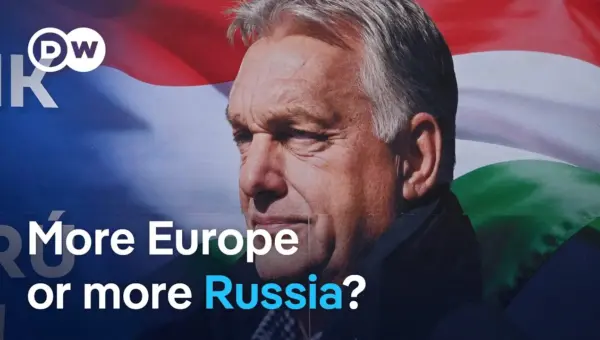
Hungary is facing a crucial election that will decide its future alignment with the EU or Russia. Growing public discontent over corruption and economic issues has propelled opposition leader Péter Magyar to prominence, promising democratic reforms. The nation's choice will significantly impact its role in Europe and its internal governance.