Ukraine Strikes Russian Energy, Shaking Global Markets
Ukrainian drone attacks have severely damaged Russia's crucial energy export facilities, impacting global supplies of LPG and crude oil. This escalation threatens the Baltic pipeline network and signals a potential shift in global energy dynamics and future warfare strategies.


Ukraine Hits Russian Energy Exports, Disrupting Global Supply
Recent Ukrainian drone attacks have crippled key Russian energy export facilities, sending shockwaves through global markets. One facility near Luga, responsible for processing about 3-4% of the world’s liquefied petroleum gases (LPGs), is either on fire or potentially destroyed. This significant disruption adds to existing problems in the energy sector.
Global Energy Landscape Suffers Major Blow
The attack on the Luga facility is particularly concerning because, unlike some facilities in the Persian Gulf that were shut down before being hit, this Russian plant was operational. This means the potential for a larger impact from the fire and damage. The loss of 3-4% of global LPG production, which includes gases like propane and butane, is a substantial blow. It comes at a time when about 30% of LPG production in the Persian Gulf is already offline and unlikely to return soon.
Beyond LPG: Crude Oil Exports Also Affected
The damage extends beyond just LPG. The Luga oil export facility, which normally ships around 750,000 barrels of crude oil daily, has also been impacted. Furthermore, approximately 1 to 1.2 million barrels per day of crude oil from the Primorsk facility have been offline since an attack less than 72 hours prior. These combined disruptions highlight Ukraine’s growing capability to strike at the heart of Russia’s vital energy export infrastructure.
Ukraine’s Strategy: Persistent Strikes Expected
Experts anticipate that these attacks are not isolated incidents. Ukraine is likely to launch further waves of drone strikes. The current situation suggests that Russia lacks enough air defense systems in these regions to effectively counter the incoming drones. Ukraine has apparently developed drones with longer ranges, heavier warheads, and improved targeting capabilities. This allows them to inflict significant damage on Russia’s industrial areas, potentially causing permanent disruption.
Baltic Pipeline Network Faces Shutdown
The cumulative impact of these attacks could lead to the complete shutdown of the entire Baltic pipeline network. This network is crucial for transporting Russian oil and gas to international markets. The loss of these export routes would severely impact Russia’s revenue and its role as a major global energy supplier.
Global Impact: Why This Reshapes the World Order
These attacks are more than just military actions; they represent a significant shift in the geopolitical and economic landscape. By targeting Russia’s energy exports, Ukraine is directly impacting global energy prices and supply chains. This can lead to inflation worldwide, affecting everything from transportation costs to the price of everyday goods. Nations heavily reliant on imported energy may face increased costs or seek alternative suppliers, potentially altering long-standing trade relationships.
Historical Context: Energy as a Weapon
Throughout history, energy resources have been used as a tool of political and economic power. Countries have manipulated oil and gas supplies to influence international relations or exert pressure on rivals. Russia has historically used its energy exports to build influence in Europe and beyond. Ukraine’s ability to disrupt these exports challenges this established power dynamic. It echoes past conflicts where control over vital resources played a central role.
Economic Leverage and Sanctions
The attacks amplify the effects of existing international sanctions against Russia. While sanctions aim to cripple Russia’s economy, the physical destruction of export infrastructure creates a more direct and immediate economic impact. This could force other countries to reconsider their energy partnerships with Russia, even if they have not imposed formal sanctions. The control over energy routes, like the Baltic pipelines, is a critical economic lever. Disrupting these routes weakens Russia’s financial standing and its ability to fund its ongoing military operations.
Shifting Power Balances and Future Scenarios
The long-term consequences of these attacks could lead to a significant rebalancing of power. If Russia’s energy exports are permanently diminished, other energy-producing nations could gain influence. Countries that are major energy consumers might accelerate their transition to renewable energy sources to reduce dependence on volatile fossil fuel markets. One future scenario sees a more fragmented global energy market, with regional blocs forming around reliable energy suppliers. Another possibility is increased investment in energy infrastructure in politically stable regions.
The effectiveness of Ukraine’s strikes also raises questions about the future of warfare. The use of long-range, sophisticated drones against critical infrastructure demonstrates a new dimension of conflict. This could prompt nations worldwide to bolster their own air defense capabilities and invest in similar drone technology. The attacks on Russia’s energy sector are a stark reminder of how interconnected global security and economic stability truly are.
Source: Ukraine Cripples Russian’s Energy Exports #shorts (YouTube)

Related Articles
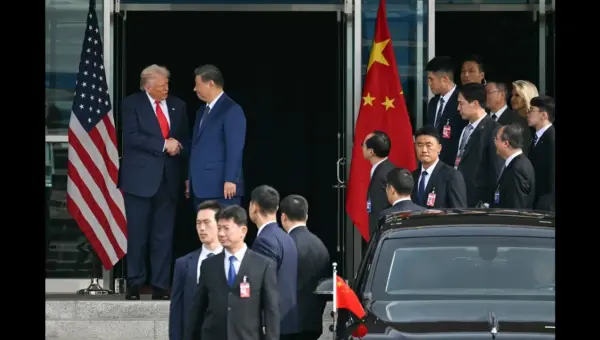
Trump’s “Walk Away” Tactic Signals Tougher Stance on China
Retired Air Force Brigadier General David Stillwell believes President Trump's strategy of being willing to walk away from negotiations puts pressure on China. This tactic, combined with US global actions and strengthened alliances, signals a more assertive American foreign policy.

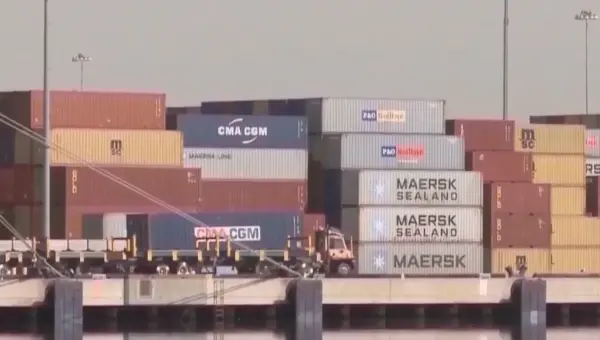
China Fights Back: Tariffs Loom Ahead of Trump Visit
China is retaliating against US trade investigations that could lead to higher tariffs. This escalating trade tension occurs just before a planned visit by President Trump. The dispute involves accusations of unfair practices and impacts global supply chains.


Israelis Forge Resilience Amidst Constant Bomb Shelter Drills
Life in Israel is a blend of resilience and constant vigilance, with many families adapting to frequent bomb shelter drills and even sleeping in makeshift shelters. Despite ongoing missile attacks, Israelis strive to maintain normalcy, though businesses face disruption and emotional fatigue is a growing concern.