Ukraine Strikes Russian Air Defenses, Eyes Energy Ceasefire
Ukraine has struck Russian air defense systems and industrial targets with drones, while signaling a potential "energy ceasefire." The war's impact is widening, with a drone incident in Finland and France cracking down on Russia's "shadow fleet."

Ukraine Disrupts Russian Air Defenses, Signals Energy Ceasefire Amid Wider Geopolitical Maneuvers
The Russia-Ukraine war is evolving beyond traditional frontlines, with Ukraine employing advanced drone tactics against Russian air defenses and industrial targets. Simultaneously, Kyiv is signaling a potential shift in its strategy concerning energy infrastructure, offering an “energy ceasefire.” These developments occur against a backdrop of escalating geopolitical bargaining and evolving military technology, demonstrating a multi-layered conflict that impacts global energy routes and international relations.
Frontline Dynamics Show Mixed Momentum
While Russian forces report advances in areas like Donetsk and Zaporizhzhia Oblasts, Ukrainian forces are conducting counter-operations. Reports indicate Ukrainian troops are engaged in “mop-up operations” in Dnipropetrovsk Oblast. These actions suggest Ukraine’s ability to regain local control after Russian incursions. This granular battlefield activity presents a more complex picture than a simple narrative of steady Russian advances.
Drone Strikes Target Key Russian Assets
A significant development involved a Ukrainian drone strike on a Russian Tor surface-to-air missile system in Luhansk Oblast on March 29. The Tor system is designed to protect Russian forces and infrastructure from aerial threats. Ukraine’s Unmanned Systems Forces, in coordination with the Deep Strike Centre, reportedly targeted the mobile air defense unit. Damaging a moving Tor system is crucial, as it degrades Russia’s ability to counter aerial attacks and potentially opens up operational space for further Ukrainian drone operations and reconnaissance.
In another incident, a drone attack reportedly hit an industrial enterprise in Tolyatti, Samara Oblast. While specific details on damage were not immediately released, the repeated acknowledgment of drone activity near industrial sites underscores Ukraine’s strategy. Kyiv aims to disrupt the machinery supporting Russia’s war effort and economic stability, moving beyond purely symbolic targets.
Warfare Spills Onto NATO Territory
The conflict’s reach extended to Finland when a Ukrainian AN-196 drone, reportedly carrying an unexploded warhead, crashed near Kouvola. Finnish authorities confirmed the incident, marking the first instance of the war’s direct impact on Finnish soil. Ukraine has apologized, suggesting Russian electronic interference caused the drone to deviate from its intended path. No injuries or significant damage were reported. The incident, however, carries considerable symbolic weight for Finland, a NATO member bordering Russia.
This event highlights how modern warfare’s pressures can extend beyond designated conflict zones, impacting allied nations. The spillover effect, even if accidental, alters the perception of the war’s proximity and potential risks for European nations. Ukraine’s explanation that Russian electronic warfare was a factor also underscores the growing importance of signals, navigation, and control systems in contemporary military operations.
Ukraine Offers Energy Ceasefire Amid Strategic Pressure
In a notable diplomatic move, Ukrainian President Volodymyr Zelensky announced readiness for an “energy ceasefire” around the Easter holiday. This proposal includes a halt to strikes on infrastructure and discussions for a broader ceasefire covering sea and air. This offer comes after Ukraine has intensified drone attacks on Russian oil refineries and export routes, aiming to weaken Moscow’s war economy.
The timing of the ceasefire proposal is strategic. By targeting energy infrastructure, Ukraine has made these assets a significant point of pressure. Offering to pause these strikes demonstrates Kyiv’s ability to influence a critical sector and suggests a calculated management of leverage rather than a sign of weakness. Zelensky’s framing of the offer, encompassing food security, energy, sea, and sky, indicates a desire to have the infrastructure war recognized as a central element of the conflict’s resolution.
Global Energy Flows and Geopolitical Bargaining Intersect
The global energy landscape remains a complex factor. Reports indicate a shift in U.S. policy regarding oil shipments to Cuba, with former President Donald Trump signaling acceptance of crude oil imports by any nation. This comes as a sanctioned Russian tanker, part of the so-called “shadow fleet,” approached a Cuban port. Cuba has faced significant import shortages, and an easing of U.S. sanctions tied to the Iran conflict could indirectly benefit Russia by stabilizing global oil logistics.
This situation illustrates how regional crises, particularly concerning energy, can create openings that benefit Russia, complicating international sanctions enforcement. While Ukraine targets Russian oil infrastructure, broader geopolitical events can inadvertently ease pressure on Moscow.
France Cracks Down on Shadow Fleet
In parallel, France is taking action against Russia’s shadow fleet, a network of tankers used to circumvent sanctions. The French navy seized the Russian tanker Boracay last year. Its Chinese captain, Chen Zhangjie, was recently sentenced to one year in prison and fined €150,000 by a court in Brest. French authorities reported the vessel refused inspection in international waters, leading to a dangerous maneuver.
This legal action serves as a clear message: the shadow fleet cannot operate with impunity. It represents a European effort to assert state authority and disrupt illicit oil transport routes that help fund Russia’s war effort.
Ukraine’s Drone Innovation Gains International Recognition
Ukraine’s advancements in drone technology are increasingly recognized as a critical component of its defense strategy. Comments by Rheinmetall CEO Armin Papperger, who described Ukraine’s drone innovation as the work of “housewives,” drew a sharp response from President Zelensky. Zelensky countered that if Ukrainian housewives can produce drones, they could lead major defense corporations.
This exchange highlights a fundamental debate in the defense industry: the value of traditional, large-scale military production versus agile, decentralized innovation. Ukraine’s experience demonstrates that speed, adaptability, and decentralized production can be as effective as mass-produced heavy weaponry. Ukraine is now positioning itself not just as a recipient of aid but as a potential exporter of security models and expertise, particularly in drone technology and countermeasures.
Russia Offers Intelligence Bargain Over Iran Deal
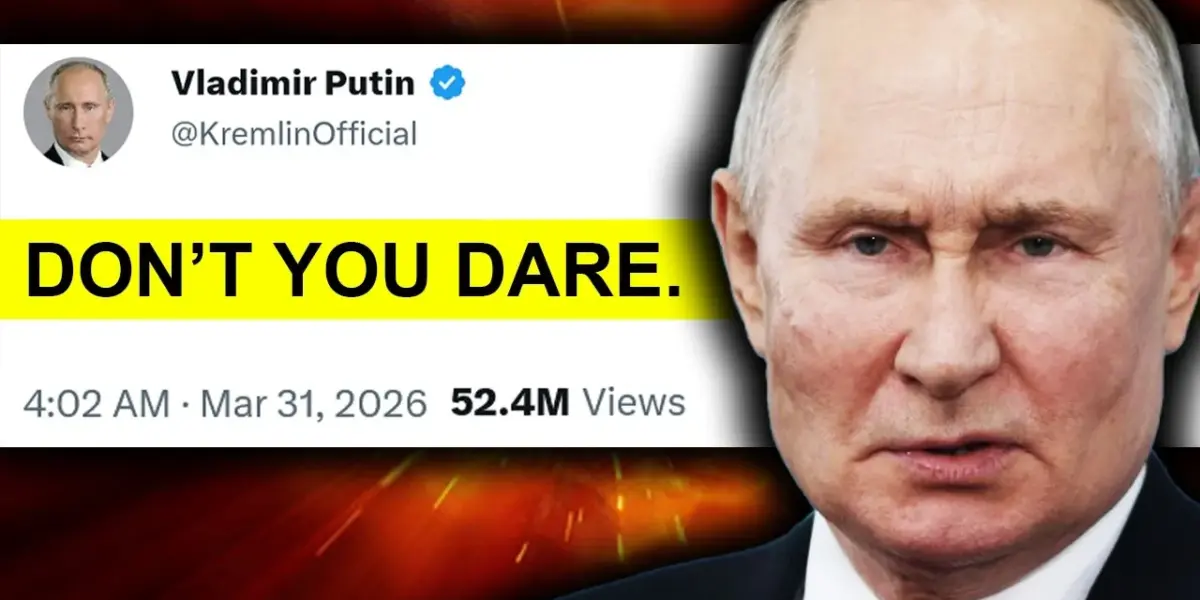
A striking geopolitical development involves an alleged offer from Russian President Vladimir Putin to leverage intelligence sharing with Iran. Ukrainian intelligence claims Putin proposed a deal to the United States: if Washington stops sharing intelligence with Ukraine, Moscow would cease providing intelligence to Tehran. Zelensky stated Ukraine possesses “irrefutable” evidence of ongoing Russian intelligence sharing with Iran, and that some Iranian drones used against U.S. interests contained Russian components.
This alleged blackmail attempt underscores the interconnectedness of various conflict theaters. Russia appears to be attempting to use its involvement in one conflict (Iran’s drone program) to influence another (the Ukraine war), demonstrating a complex strategy of coercion that blends military, economic, and diplomatic pressures.
Strategic Implications
The confluence of these events signifies a war that is no longer confined to territorial gains and losses. It is a broader contest over infrastructure, energy markets, technological dominance, and geopolitical influence. Ukraine’s strategy of using battlefield adaptations and technological innovation as diplomatic leverage is increasingly evident. Conversely, Russia is attempting to exploit global energy dynamics, sanctions loopholes, and geopolitical chaos to gain strategic breathing room.
The war’s escalating complexity means that battlefield updates are intertwined with economic pressures, technological competition, and international diplomacy. The accidental spillover into Finland, the legal actions against the shadow fleet, the debate over drone warfare, and the alleged intelligence bargaining with Iran all point to a conflict that is reshaping how states exert pressure and negotiate security in the 21st century. This multifaceted approach suggests a prolonged struggle where traditional military objectives are augmented by economic warfare, technological races, and intricate geopolitical maneuvering.
Source: HUGE ESCALATION Against Russia's Shadow Fleet Just Happened. (YouTube)

Related Articles


Gulf Allies Urge Trump to Continue Iran Conflict
U.S. allies in the Persian Gulf are urging President Trump to intensify military action against Iran, believing Tehran has not been sufficiently weakened. The ongoing conflict raises concerns about regional stability and global energy prices, while questions linger about the administration's long-term strategy.

Middle East Conflict Sends Gas Prices Soaring Past $4
The national average gas price has surpassed $4 per gallon for the first time since 2022, driven by escalating conflict in the Middle East. Recent attacks on oil tankers and military strikes have heightened fears of energy supply disruptions, impacting consumers globally.
US Weighs Troop Deployment Amid Iran Deal Push
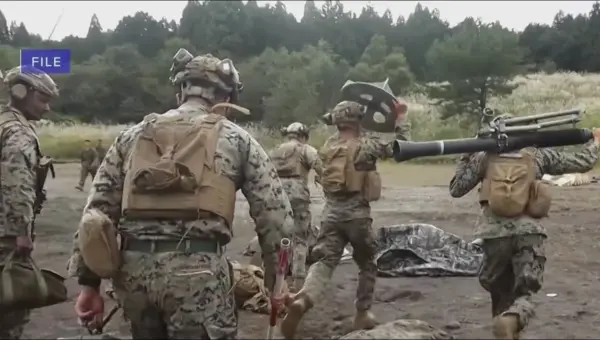
The U.S. is considering deploying ground troops to Iran while simultaneously pushing for a diplomatic deal to reopen the Strait of Hormuz. Air strikes are ongoing as President Trump increases pressure on Iran.