Ukraine Strikes Deep: Russia’s War Machine Weakens
Ukraine is increasingly launching drone attacks deep inside Russia, hitting critical oil infrastructure and weakening Moscow's war machine. Russia faces a severe manpower crisis and economic strain, with territorial gains plummeting and recruitment targets missed. This strategic pressure is making the war unsustainable for the Kremlin.

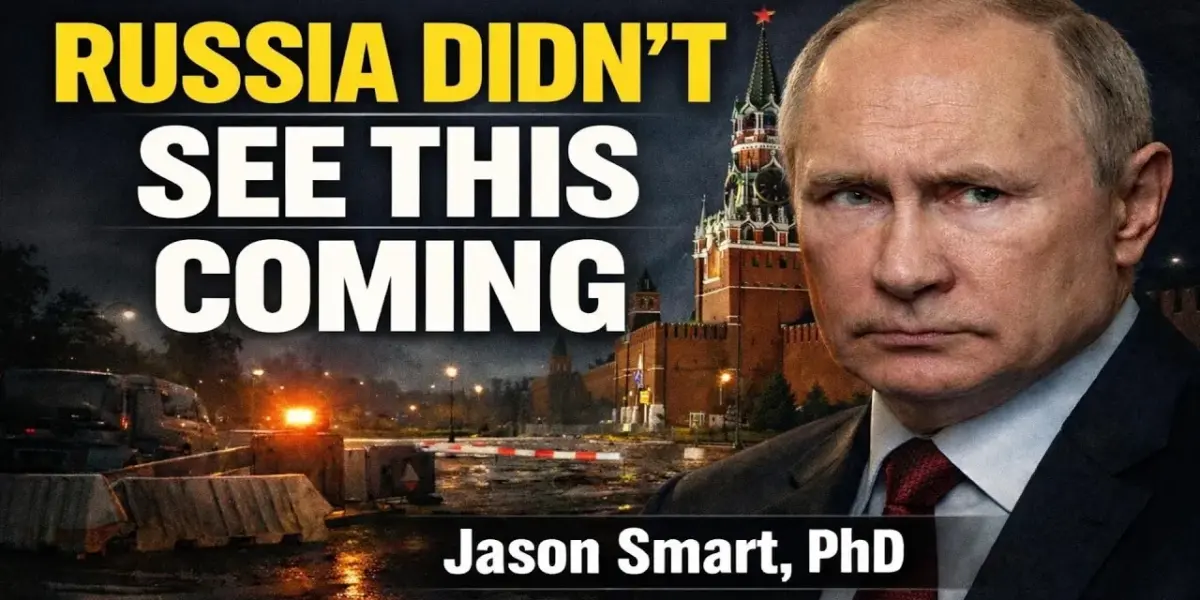
Ukraine Strikes Deep: Russia’s War Machine Weakens
Ukraine is increasingly launching drone attacks deep inside Russia, a shift that challenges Russia’s air defenses and signals a growing strain on Moscow’s war effort. For the first time in the conflict, Ukraine’s drone activity within Russia appears to be outpacing Russia’s own strikes into Ukraine. This development comes as Russia’s territorial gains have drastically decreased, with reports indicating a 93% drop in progress from January to March.
This strategic pressure extends beyond the battlefield. Ukraine has targeted Russia’s vital oil export infrastructure, taking approximately 40% of its oil export capacity offline. Attacks on Russian ports are disrupting revenue streams, with estimates suggesting that over 30 days, these strikes could put about $6 billion at risk. This financial pressure exacerbates Russia’s existing manpower crisis.
Manpower Crisis Deepens Amidst Economic Strain
Russia appears to be struggling to meet its recruitment targets, potentially missing them by about 16%. The army is reportedly experiencing high losses, and Moscow is finding it difficult to replace its fallen soldiers. In the first quarter of 2026, Russia reportedly recruited around 80,000 troops, but faced estimated casualties of 85,000 during the same period. This means Russia is replacing losses much slower than they are occurring, leading to a thinning of its forces.
The strain is evident in the increasing cost of maintaining troop levels. At least 12 Russian regions have raised signing bonuses by 50% to 80%. Furthermore, about 24% of contract soldiers were under criminal investigation when they joined, and 40% of new recruits are debtors. Universities and businesses are reportedly facing pressure to identify potential conscripts, but there is a noticeable lack of enthusiasm for military service. Many Russians see military service as a “one-way ticket” and stories of soldiers having to pay officers to avoid death are circulating.
Economic Fallout Hits Home
The war’s impact is increasingly felt within Russia’s economy. In January, Russians withdrew approximately $19.7 billion from banks, the largest amount since March 2022, indicating a lack of trust in the financial system and growing public anxiety. Personal bankruptcies have also risen, with a 31% increase in 2025, leaving nearly 568,000 Russians declared insolvent.
Key industries are suffering. Oil and gas profits reportedly fell by 64%, with Rosneft’s profits dropping by 96% between 2024 and 2025. Russian Railways has accumulated about $52 billion in debt and is seeking funding from China, highlighting its reliance on external support. Even basic services are becoming unaffordable, with a 140% increase in demand for bunkers and a rise in do-it-yourself dental procedures as people can no longer afford professional care.
Strategic Implications: A War of Attrition
Russia’s territorial gains have significantly diminished. While Russia reportedly captured 319 square kilometers in January, this number fell to just 23 square kilometers by March. The cost in personnel for these gains has skyrocketed, with Ukrainian estimates suggesting the blood price per kilometer has increased 14 times in a matter of weeks. This indicates a war of attrition where Russia is paying a much higher price for much smaller gains.
Ukraine’s strategy appears to be to degrade Russia’s ability to wage war by targeting its economic lifelines and military production. Attacks on oil facilities not only cut revenue but also create logistical nightmares for export. Targeting chemical facilities crucial for weapon production further hinders Russia’s capacity to sustain its offensive. This multi-pronged approach aims to weaken Russia from within, making the war unsustainable.
Historical Parallels and Geopolitical Context
The current situation for Russia bears some resemblance to the strains faced by large powers in prolonged conflicts where logistical and economic support falters. The intensive use of drones by both sides echoes modern warfare’s reliance on unmanned aerial systems, which have become critical for reconnaissance, targeting, and direct attack. The increasing difficulty Russia faces in replacing manpower and equipment, coupled with economic sanctions and internal dissent, draws parallels to the eventual collapse of the Soviet Union, which was partly triggered by the strains of prolonged military engagement and economic stagnation.
Russia’s dependence on oil and gas exports makes it particularly vulnerable to attacks on its energy infrastructure. Historically, these revenues have been crucial for the Kremlin’s budget and its ability to fund military operations. By disrupting these flows, Ukraine is directly attacking the financial foundation of Russia’s war effort.
What This Means on the Ground
The current trajectory suggests that Russia is facing a critical juncture. The combination of reduced territorial gains, severe economic pressure, and a deepening manpower shortage indicates that Moscow’s capacity to sustain its current level of operations is eroding. The war is no longer confined to the front lines; it is increasingly impacting the daily lives and economic well-being of Russian citizens. This internal pressure could lead to difficult choices for Vladimir Putin, potentially forcing a reassessment of Russia’s strategic objectives or its ability to continue the conflict at its current intensity.
Ukraine, meanwhile, appears to be in a stronger position, leveraging its ability to strike deep into Russian territory and disrupt its war-sustaining capabilities. The effectiveness of its drone attacks and its focus on Russia’s economic infrastructure are key elements of its strategy to achieve a decisive outcome.
Source: The Kremlin Is Preparing for a Much Worse War (YouTube)

Related Articles
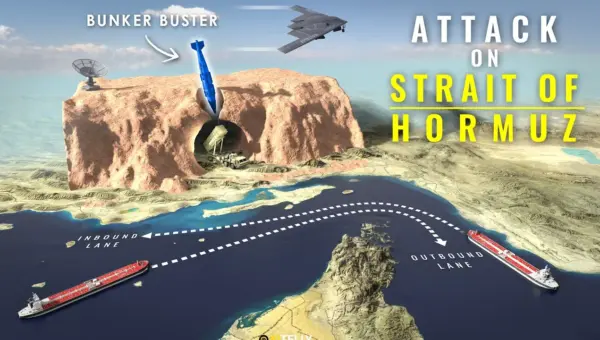
Iran’s Strait of Hormuz Trap: How the US Fights Back
Iran's strategy to control the Strait of Hormuz involves using islands as bases for anti-ship missiles and launching swarm attacks with small boats. The US counters with advanced defense systems, surveillance drones, and powerful bunker-buster bombs, highlighting the ongoing tension in this vital global shipping lane.
US Aims to Cripple Iran’s Power Grid to Secure Strait of Hormuz
A new US strategy reportedly targets Iran's power grid, including major plants like Damavand, to force open the Strait of Hormuz. The plan involves multi-stage air attacks using advanced bombers and precision munitions to cripple energy infrastructure and cause cascading failures.


Trump’s Iran Ultimatum: Civilization on the Brink?
President Trump issued a dire warning to Iran with a Tuesday deadline for a deal, fearing "a whole civilization will die." U.S. strikes on Kharg Island occurred, but officials state U.S. strategy remains unchanged. This escalation highlights ongoing tensions and their global implications.