Ukraine Strikes Cripple 40% of Russia’s Oil Exports
Ukraine's drone attacks have crippled 40% of Russia's oil export capacity, impacting 2 million barrels daily. This strategic targeting of infrastructure, combined with global market shifts, creates significant economic pressure on Russia, despite temporary price advantages.

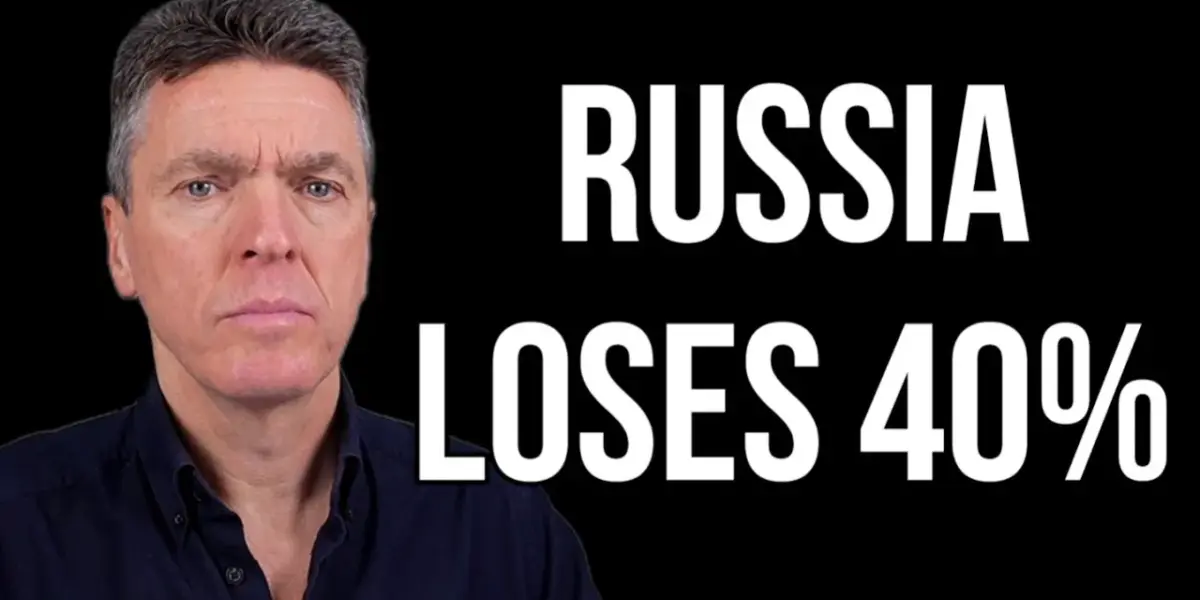
Ukraine Strikes Cripple 40% of Russia’s Oil Exports
While global attention is focused elsewhere, Ukraine’s strategic drone attacks have significantly disrupted Russia’s oil export capabilities. Reports indicate that approximately 40% of Russia’s oil export capacity, equating to about 2 million barrels of oil per day, is currently offline. This is not a theoretical problem but a real, ongoing disruption to Russia’s ability to move oil out of the country. These attacks have caused major damage at key export terminals like Primorsk and Ust-Luga on the Baltic Sea, leading to fires, forced shutdowns, and halted loadings. Ust-Luga, in particular, suffered significant damage to storage tanks and infrastructure, reportedly being sealed off.
Adding to the pressure, Novorossiysk on the Black Sea has been operating below its normal capacity due to earlier strikes and continued disruptions. This means three of Russia’s main oil export routes are impacted simultaneously. These issues are compounded by ongoing problems with the Druzhba pipeline, further limiting Russia’s export options. The scale of this disruption is substantial, impacting not only Russia but also potentially the global economy, given oil and gas’s central role in Russia’s economy.
Economic Blow to Russia’s Revenue
Oil and gas exports are a critical source of income for Russia, accounting for roughly 25% of its government revenues. The oil and gas sector is known for its high fixed costs. This means enormous upfront investments are made in infrastructure like pipelines, refineries, terminals, and storage facilities. These costs do not decrease even if the amount of oil being exported falls. When a large portion of export capacity is lost, revenues drop immediately, but the costs remain largely the same. This situation quickly squeezes profit margins, potentially turning profitable operations into losses very rapidly.
For a long time, the oil and gas sector was a resilient part of the Russian economy, even as other Russian companies struggled. However, this is no longer the case. Russia has been selling its oil at discounted prices due to sanctions, which already kept profit margins tight. Now, with capacity problems and reduced export volumes, many oil and gas companies are likely facing losses. This additional disruption comes at a particularly difficult time for Russia.
Ukraine’s Strategic Drone Warfare
The primary driver behind these disruptions is the continued targeting of Russian oil and gas infrastructure by Ukrainian drone attacks. Ukraine’s strategy is not to match Russia’s missile attacks but to focus on precision economic strikes. This approach highlights a significant shift in modern warfare, where drones are increasingly playing a central role. Drones are less expensive to operate than traditional fighter jets and missiles, and they do not put pilots at risk. Operators can control them remotely, allowing for the deployment of large numbers of relatively low-cost drones to overwhelm defenses.
This creates a significant economic imbalance in conflict. Ukraine can use drones costing around $5,000 to destroy targets, while the defensive missiles used to shoot them down can cost hundreds of thousands of dollars. This makes it an economically losing proposition for Russia to defend against these attacks. Ukraine understands this dynamic and is using it to apply financial pressure, not just military pressure.
Global Market Dynamics and Unpredictability
The timing of these disruptions is significant. Before the recent escalation of tensions in the Middle East, the global economy was already slowing down, leading to weaker oil demand and downward pressure on prices. Oil was trading around $60 per barrel at the start of 2026 due to this general demand weakness. Russia’s oil supply was becoming less critical in that environment.
However, rising tensions in the Middle East and concerns about oil transport routes have pushed oil prices above $100 per barrel. This has brought supply risks back into focus. In response, the U.S. has temporarily eased restrictions on Russian oil already at sea. This has allowed Russia to secure deals, particularly with India, worth billions of dollars. Some Russian oil is even reportedly trading at a premium to Brent crude, with India paying more due to its ready availability. This is an extraordinary situation.
The Export Bottleneck Remains
Despite higher prices and eased restrictions, Russia faces a major hurdle: the lack of export infrastructure. Even if prices rise and sanctions are temporarily relaxed, Russia cannot fully benefit if it cannot export the oil. Furthermore, Russia consumes a significant portion of its own oil production domestically, estimated between 40% and 50%. This means not all oil can be diverted to exports; a substantial amount is needed for internal use.
With export capacity constrained by as much as 40%, Russia will be forced to reduce production, store excess oil, or sell it under less favorable conditions. This creates a multi-directional squeeze on Russia, involving infrastructure damage, logistical bottlenecks, and limited flexibility. The situation is complex, evolving, and can be seen as an economic war.
Market Impact and Investor Considerations
The ongoing conflict in Ukraine, despite being overshadowed by events in the Middle East, continues to have a severe impact. Ukraine has developed a formidable drone capability, effectively targeting Russia’s economic infrastructure to reduce its income. This creates real disruption in the global oil market.
Global market conditions are currently creating a mixed picture. While higher oil prices and eased restrictions might seem beneficial for Russia, the physical limitations on its export capacity significantly hinder its ability to capitalize. This makes the situation highly unpredictable for investors. The Ukraine war is not diminishing; it continues to inflict damage on the economies of both Russia and Ukraine, with ripple effects felt globally. Investors should monitor these developments closely, as they can influence global energy prices and geopolitical stability.
Source: RUSSIA Loses 40% (YouTube)

Related Articles
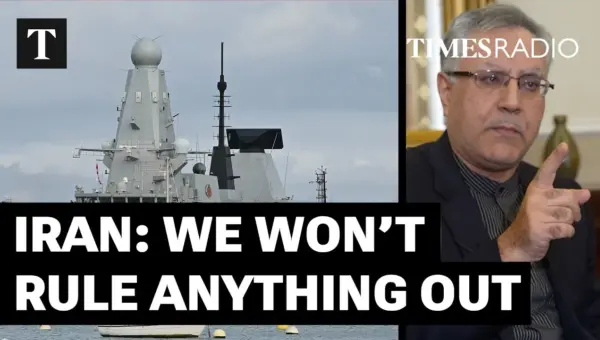
Iran Warns UK: Military Bases Could Be Legitimate Targets
Iran's ambassador to the UK has warned that British military bases could become legitimate targets if British assets are used against Iran. The comments come amid rising tensions, with Iran citing aggression from the US and Israel as justification for its defensive stance and potential retaliation. The ambassador also discussed issues of trust, the potential for diplomatic solutions, and Iran's nuclear program.

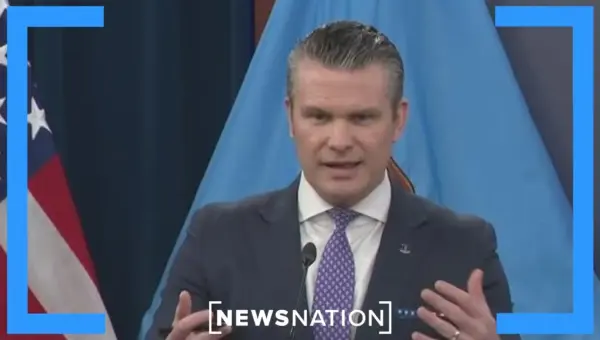
US Mulls Iran Ground War Amid Shifting Alliances
The U.S. military is preparing for potential ground operations in Iran, even as President Trump signals a willingness to end the conflict without fully securing the Strait of Hormuz. U.S. forces are conducting extensive strikes, while key European allies deny access to their airspace, creating significant diplomatic friction.

Trump’s Iran Strategy Sparks Fears of High Oil Prices
A report suggesting President Trump might end conflict without reopening the Strait of Hormuz is causing alarm. Experts warn this could lead to sustained high oil prices and disrupt global trade for essential goods like fertilizer and helium.