Ukraine Strikes Crimea, Russia’s Missiles Destroyed
Ukraine has struck deep into Crimea, destroying Russian Zircon missiles and a Bastion launcher. This significant attack challenges Russia's security narrative for the occupied peninsula. The operation highlights Ukraine's growing capabilities and raises questions about the Kremlin's stability.

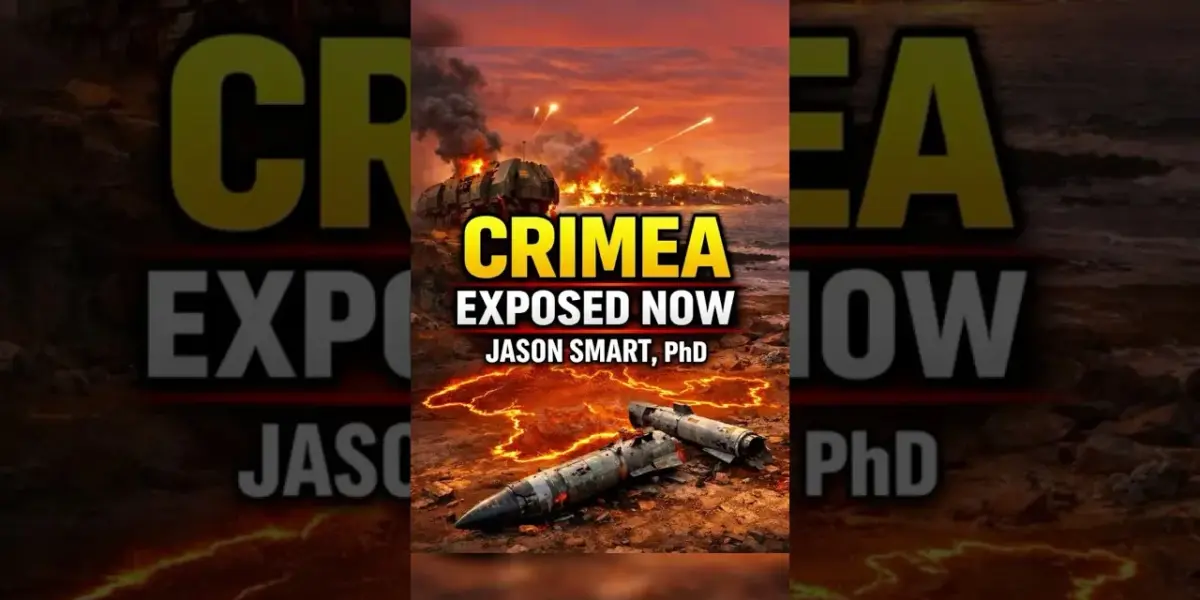
Ukraine Strikes Crimea, Russia’s Missiles Destroyed
Ukraine has successfully struck targets deep within Crimea, destroying Russian military assets including two Zircon missiles and a Bastion launcher system. This significant strike challenges Russia’s claims of security in the occupied peninsula and its rear areas. The operation demonstrates Ukraine’s growing capability to strike high-value Russian military targets previously considered safe.
Crimea No Longer a Safe Rear Area
For years, Russian state media and officials have asserted that Crimea, annexed in 2014, was an inviolable part of Russia and well-defended. However, recent Ukrainian actions have shattered this perception. The destruction of advanced Russian weaponry, specifically the Zircon missiles and the Bastion launcher, signals a critical shift. These are not just any weapons; the Zircon is an advanced hypersonic missile system, and the Bastion is a coastal defense missile system. Their destruction on the ground, before they could potentially be used, is a major blow to Russian military capability and prestige.
Mounting Russian Problems
The strike in Crimea is happening amid a backdrop of increasing challenges for Russia. The state’s narrative of invincibility is being undermined by battlefield realities and successful Ukrainian strikes. This success in Crimea is particularly damaging because it directly contradicts official pronouncements about the peninsula’s security. It suggests that Russia’s most expensive and advanced military systems are no longer safe, even in supposedly secure rear areas.
Geopolitical Context and Kremlin Anxiety
This development also coincides with growing speculation about Vladimir Putin’s public absence. His disappearance from public view for over two weeks has fueled rumors and raised questions about stability within the Kremlin. The Russian government’s tight-lipped approach to the situation further suggests underlying anxiety. This lack of transparency and the evident military setbacks point to a regime that may be weaker than commonly perceived.
Strategic Implications
Ukraine’s ability to strike targets like the Zircon missiles and Bastion launcher in Crimea has several strategic implications. Firstly, it degrades Russia’s offensive and defensive capabilities in the region. The Zircon, capable of hypersonic speeds, is a key component of Russia’s modern missile arsenal. Its loss reduces Russia’s ability to project power and threaten Ukrainian or allied forces. Secondly, the Bastion system is crucial for defending Russia’s naval assets and coastal areas. Its destruction weakens Russia’s defensive posture in the Black Sea.
Furthermore, these strikes demonstrate Ukraine’s increasing reach and sophistication in its military operations. It suggests that Ukraine is not only capable of defending its territory but also of striking deep into Russian-occupied areas and potentially even Russian territory. This forces Russia to dedicate more resources to defending its rear lines, diverting them from the front. It also bolsters Ukrainian morale and international support by showing tangible successes against a technologically advanced adversary.
Historical Parallels
The current situation in Crimea echoes historical instances where seemingly secure bases or territories became vulnerable. For example, during World War II, Allied air and naval forces gradually eroded Japanese control over island chains in the Pacific. What were once considered secure Japanese strongholds eventually became targets, demonstrating that even heavily fortified areas can be overcome with sustained pressure and strategic strikes. This ongoing Ukrainian campaign against Russian assets in Crimea follows a similar pattern of challenging established control and eroding perceived security.
The ability to strike key logistical hubs and advanced weapon systems deep behind enemy lines has historically been a crucial factor in turning the tide of conflicts. By successfully targeting these high-value assets, Ukraine is not just inflicting immediate damage but also disrupting Russian military planning and logistics. This strategic approach aims to weaken the enemy’s ability to sustain its operations over the long term.
Source: Ukraine's Stunning Strike: Crimea NO LONGER Secure (YouTube)

Related Articles


Ukraine Eyes Moscow with New Ballistic Missiles
Ukraine is developing ballistic missiles with an 850km range, potentially capable of striking Moscow by summer. This capability aims to equalize the battlefield and could influence Russian public opinion and political calculations, while President Putin's reduced public activity suggests internal pressures.


Russia’s Battlefield Slowdown Signals Shifting War Dynamics
Russia faces mounting pressure on multiple fronts as its military gains in Ukraine stall and its economy strains. Moscow's claims of victory are contradicted by battlefield realities, escalating casualties, and diminishing territorial returns. President Putin's leadership is increasingly isolated both domestically and internationally.

Russia Bans Gas Exports Amid Refining Woes
Russia has banned gasoline exports, a move driven by Ukrainian drone attacks on its refineries and logistical issues. This forces Russia to prioritize domestic supply, preventing it from fully capitalizing on high global oil prices and impacting its revenue.