Ukraine Strikes Baltic Oil Hub, Sparks Russian Worker Unrest
Ukrainian drone strikes on Luga, Russia's key Baltic oil export terminal, have sparked protests among hundreds of workers, many of whom are undocumented migrants. The attacks highlight Russia's internal labor and ethnic tensions while aiming to disrupt crucial revenue streams for its war effort.

Ukraine Strikes Baltic Oil Hub, Sparks Russian Worker Unrest
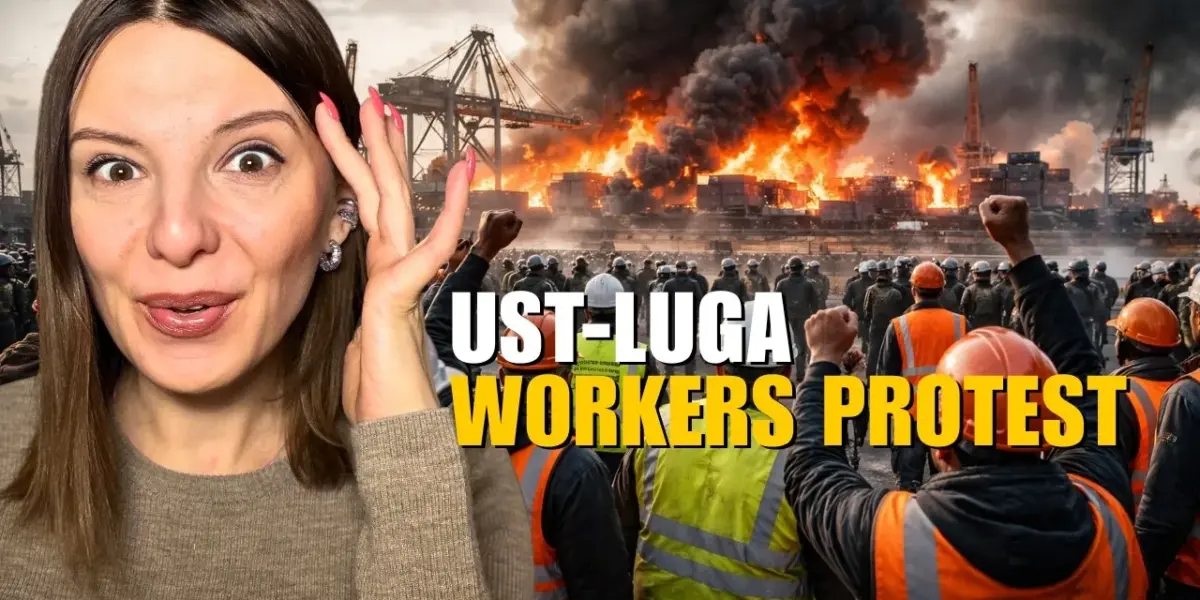
Ukrainian drone attacks have struck Russia’s key oil export terminal in Luga, located in the Baltics. The strikes, which left the facility still burning, triggered a significant protest among hundreds of workers. These workers, many of whom are reportedly undocumented migrants, gathered near the burning terminal, desperate to begin their shifts. They rely on this income to survive in the Leningrad region, a place described as harsh to people of different cultures.
Protest Highlights Labor and Ethnic Tensions
The situation in Luga has exposed deep-seated problems within Russia. The Kremlin has denied significant damage to such terminals, yet the ongoing firefighting efforts and the inability of workers to access their jobs suggest otherwise. This incident underscores the vulnerability of Russia’s workforce, particularly undocumented laborers who lack protection and face precarious employment conditions. Reports indicate aggressive actions by security forces, including driving vehicles towards the protesting workers, which could exacerbate ethnic tensions already present in the Russian Federation.
Strategic Importance of Luga Terminal
Luga, along with the nearby Primorsk port, serves as a critical oil export hub for Russia on the Baltic Sea. These facilities are vital to Russia’s federal budget, especially as the nation dedicates substantial resources to its ongoing military operations. The drone strikes on these export terminals aim to disrupt Russia’s revenue streams, thereby limiting its capacity to fund the war. The Ukrainian strategy appears to target these economic lifelines, recognizing that oil and gas revenues are central to Russia’s ability to sustain its war effort.
Broader Economic and Political Fallout
The attacks come at a time when Russia sought to increase oil sales, capitalizing on rising global oil prices and a perceived window of opportunity. Lifting sanctions on Russian oil, coupled with potential intelligence sharing between Russia and Iran, presents a complex geopolitical scenario. Ukraine’s actions are seen as a direct response to prevent further funds from reaching Russia’s war machine, impacting not only Ukraine but also NATO countries and the United States. The reliance on undocumented labor and the resulting social unrest highlight internal fragilities within Russia, potentially weakening President Putin’s administration.
Internal Russian Problems Escalate
Beyond the Luga incident, the transcript points to widespread discontent within Russia. Protests are reportedly increasing due to issues such as low salaries, rising taxes, and internet shutdowns. Many Russians, traditionally seen as apolitical, are becoming more engaged with these domestic problems. The decline in state funding for essential services, leading to unpaid salaries for teachers, doctors, and police, is creating hardship. Furthermore, strategic industries like coal mining, metallurgy, construction, and oil and gas are reportedly collapsing.
Historical Parallels and Geopolitical Implications
The situation in Luga echoes historical instances where economic pressures and social grievances have fueled unrest. The Kremlin’s attempts to control information through internet shutdowns are reminiscent of tactics used to manage public perception during times of crisis. The broader geopolitical implications are significant, as disruptions to Russian oil exports could influence global energy markets and international relations. The ongoing conflict in Ukraine, framed as a fight for survival and a means to achieve peace through Russia’s defeat and demilitarization, is increasingly seen by some as the only viable path forward.
What This Means on the Ground
For workers in Luga, the drone strikes and subsequent security measures mean uncertainty and potential loss of income. The aggressive response from security forces highlights a breakdown in order and a disregard for the welfare of vulnerable workers. For the Russian government, these incidents represent a direct challenge to its authority and economic stability. The attacks on oil infrastructure demonstrate Ukraine’s growing capability to strike deep within Russian territory, impacting its war economy. This could lead to further internal dissent and international pressure on the Kremlin, as the interconnectedness of Russia’s economic health and its military actions becomes increasingly apparent.
Source: UST LUGA ON FIRE: HUGE WORKERS PROTEST Vlog 1362: War in Ukraine (YouTube)

Related Articles


Putin Faces Internal Threats Amidst War Woes
Russia faces internal threats as the Ukraine war continues, with President Putin concerned about returning soldiers and the economic fallout impacting his inner circle. Meanwhile, Ukraine's military capabilities are growing, and global instability persists.


Ukraine, Saudi Arabia Forge Defense Pact; Russia Aids Iran
Saudi Arabia is now seeking drone countermeasures from Ukraine, forging a new defense partnership. Meanwhile, Russia is reportedly preparing to send lethal aid, including drones, to Iran, escalating support in the Middle East. These moves signal a deepening connection between the conflicts in Ukraine and the Middle East.


Ukraine War Experts Train British Army in Drone Warfare
Ukrainian soldiers, masters of drone warfare, are sharing their battlefield expertise with the British Army in a secret training program. This exchange offers invaluable insights into the realities of modern conflict, particularly the extensive use of drones. The initiative also includes innovative uses of 3D printing for drone production.