Ukraine Skeptical of Putin’s Easter Ceasefire Offer
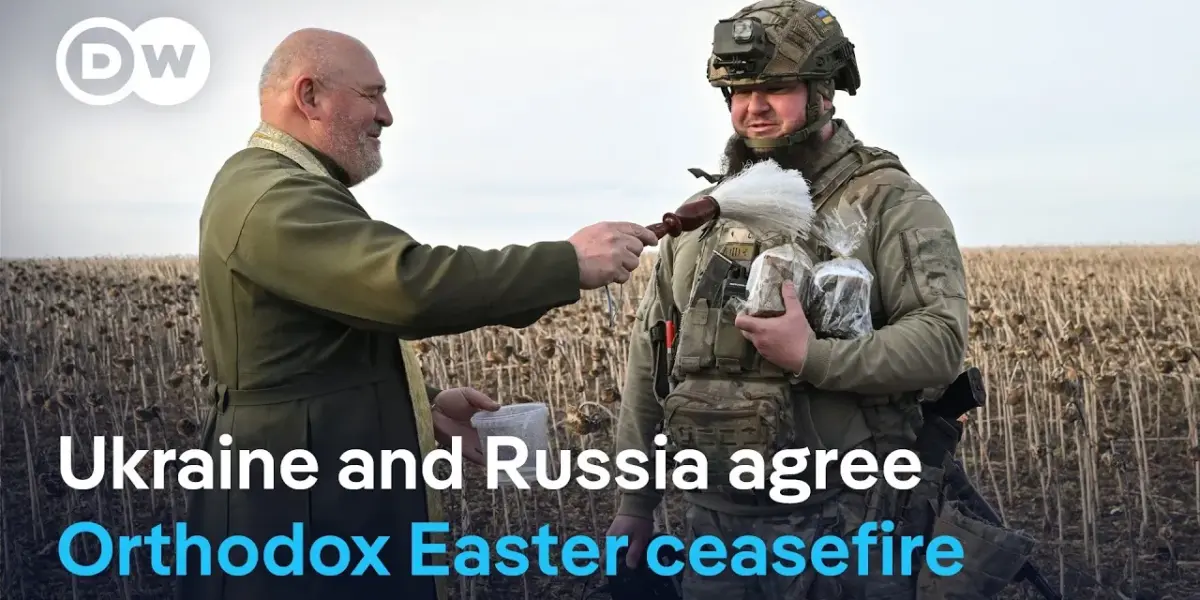
Russia's President Vladimir Putin has proposed a 32-hour ceasefire for Orthodox Easter, but Ukraine remains deeply skeptical. Past truces have failed, with both sides accusing each other of violations. Residents and officials in Kyiv express little faith in the current offer, citing a history of broken promises and continued military escalation.

Ukraine Skeptical of Putin’s Easter Ceasefire Offer
As Orthodox Easter approaches, Russian President Vladimir Putin has proposed a 32-hour ceasefire in Ukraine. Ukrainian President Volodymyr Zelensky stated Kyiv would observe the truce. However, many Ukrainians, particularly in the capital, remain deeply skeptical. This doubt stems from past experiences where similar ceasefire promises were broken by Russia.
Past Ceasefires Failed Amid Accusations
Last year, Russia offered a 30-hour ceasefire for Easter. This truce ultimately collapsed, with both sides accusing the other of violations. The memory of this failed attempt fuels the current skepticism in Kyiv. Residents are preparing to mark their fifth Easter at war, and the announcement of a new ceasefire has done little to lift spirits.
Residents Express Doubt About Truce
“Honestly, I don’t believe it at all,” said one Kyiv resident. “Every year it’s the same old ceasefire ceasefire.” Another added, “I want to believe it, but no, I don’t think it’s going to happen.” Many feel that past promises have been nothing but “empty words.” They point to New Year’s Eve, when an air raid alarm sounded all night despite a promised ceasefire.
“If we simply follow formal logic, we should look at how previous ceasefires were observed. And they were not observed, not one single time. It seems to me that it is not worth expecting a miracle and that a ceasefire will happen this time. Unfortunately, I’m a pessimist on this issue, so most likely no.”
Escalation Precedes Ceasefire Announcement
The skepticism is amplified by Russia’s actions in the days leading up to the holiday. Attacks that typically occurred at night were carried out during the day, involving hundreds of drones and missiles. President Zelensky accused Russia of an “Easter escalation” before the ceasefire was even announced. While Ukraine has stated it will abide by the measure, the history of broken promises weighs heavily.
Parliament Member Shares Concerns
Kira Rudik, a member of the Ukrainian Parliament, shared her concerns. “We all are skeptical here in Kyiv. Simply by looking at the facts from the past, every time Russia promised a ceasefire, they have broken it,” she explained. Rudik emphasized that Ukraine desires peace and a ceasefire but relies on its military’s ability to protect the country.
Ukraine’s Stance on Ceasefire
Rudik affirmed Ukraine’s readiness for a ceasefire. “Ukraine was ready for a ceasefire starting first time last year when President Zelensky announced this readiness,” she said. “Ukraine is ready for a ceasefire. If Russia doesn’t break it, obviously we wouldn’t break it, too.” This highlights Ukraine’s consistent position: peace is desired, but trust must be earned through actions, not just words.
Analysts Debate Putin’s Motives
Some analysts suggest Putin’s ceasefire offer might signal a desire for an “exit ramp” from the conflict. However, Rudik remains unconvinced. “Unfortunately in Kyiv, where I am right now, air raid sirens ran today like at least three times. The explosions were in Kyiv,” she noted. She believes the offer could be a tactical move to improve Russia’s image internationally, perhaps to influence ongoing negotiations about sanctions on Russian oil.
Impact on Soldiers in Trenches
For Ukrainian soldiers on the front lines, the proposed truce offers little comfort. “If it’s not the real truce and especially if you have this experience of Russia breaking it so many times, it’s not that you can get out and celebrate the great Christian holiday,” Rudik stated. Instead, soldiers are more worried, expecting potential attacks. “We should be even more aware. We should be expecting something bad to happen. That’s why we are preparing for it as for the battle,” she added.
Economic Factors and International Support
The state of Russia’s economy is also a factor. While Western sanctions initially weakened Russia, an influx of cash from oil trading, partly enabled by the US allowing continued trade during the Middle East situation, has helped stabilize its economy. Rudik suggested the focus should now be on whether the US will continue to allow Russia to profit from oil sales. Additionally, she acknowledged concerns about waning international support for Ukraine as global attention shifts to other conflicts, like the situation in the Middle East. However, she expressed hope that attention would return to Ukraine as other situations calm down.
Looking Ahead
As Easter weekend unfolds, the world will be watching to see if Russia upholds its ceasefire pledge. Ukraine’s continued military readiness and the international community’s response to Russia’s actions, particularly regarding oil sanctions, will be key factors to monitor in the coming days and weeks.
Source: Last Easter ceasefire collapsed amid violations | DW News (YouTube)

Related Articles

Putin Purges Defense Circle Amid War Woes
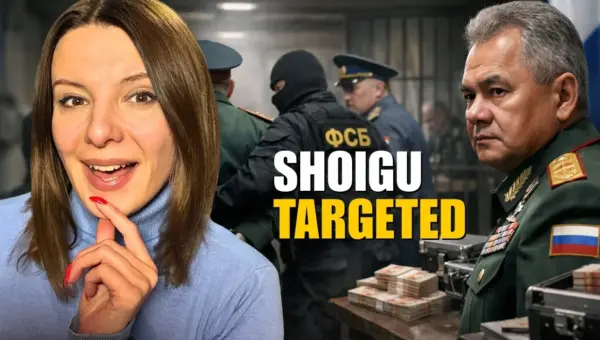
President Putin is reportedly purging allies of Defense Minister Sergei Shoigu, arresting deputies on corruption charges. This move may aim to deflect blame for military failures or weaken Shoigu's influence amid growing internal dissent.

Ukraine Strikes Deep: Russia’s War Machine Falters
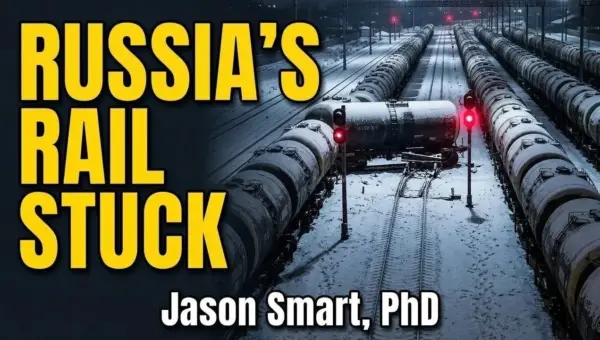
Ukraine's strategic strikes deep within Russia are crippling its war machine, leading to a 93% drop in Russian territorial gains over two months. Economic strain, infrastructure decay, and technological innovation by Ukraine are placing immense pressure on the Putin regime.


Granny Ripper’s Reign of Terror and a Journalist’s Dark Secret
This article delves into three chilling true crime cases: the "Granny Ripper" who murdered and dismembered her landlady in Russia, a family's terrifying encounter with serial killer Aileen Wuornos, and the shocking revelation of a journalist who was himself a serial killer, investigating his own crimes.