Ukraine Seizes Initiative on Frontlines
Ukraine has regained battlefield initiative, employing refined tactics and effective deep strikes into Russian territory. Russia is struggling to adapt with costly armored assaults and potential mobilization. Ukraine's air defense and drone capabilities are improving, while NATO's role in global security remains critical.

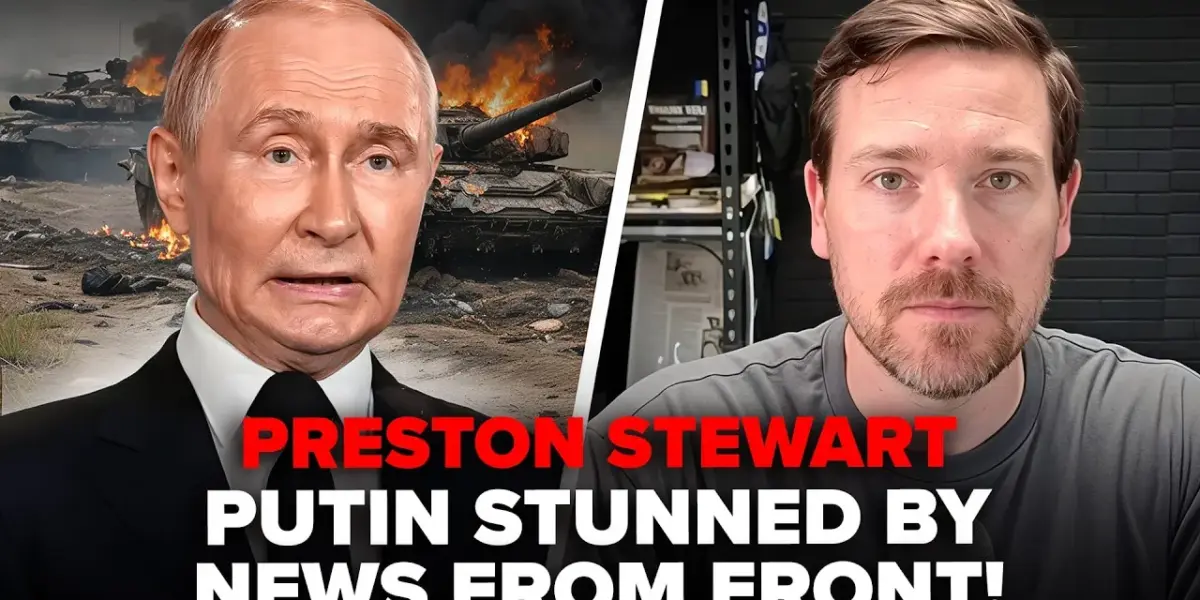
Ukraine Regains Initiative on Frontlines, Deepens Strikes on Russia
Ukraine appears to have regained the battlefield initiative for the first time in a significant period, potentially since the fall of 2022. This shift is marked by Ukraine’s ability to build upon successful tactics, including refined small-scale assaults and increasingly effective deep strikes into Russian territory. These strikes are hitting more targets within Russia, expanding the operational impact zone. Ukraine has established a drone-monitored area extending 10 to 30 kilometers along the front. Russian forces face significant risks entering this zone, which is heavily patrolled by increasingly capable Ukrainian drone units.
Russian Adjustments and Challenges
In response, Russia is reportedly attempting to adjust its military approach. Having found costly infiltration tactics to be ineffective in gaining territory, Russian forces are returning to armored assaults. This indicates a search for new strategies to counter Ukrainian advancements. There are also renewed discussions within some Russian military circles about the possibility of further mobilization, a topic that has not been seriously considered in some time. These adjustments suggest Russia is reacting to Ukrainian actions rather than dictating the pace of the conflict, a dynamic that has not been prominent for an extended period.
Improved Ukrainian Air Defense and Drone Warfare
Ukraine has also shown increased effectiveness in intercepting Russian drones, particularly the Shahed type. Utilizing systems like the Patriot and Stinger, Ukrainian forces have improved their interception rates. This comes as Ukraine simultaneously increases the range and payload of its own drones, enhancing their effectiveness in deep strikes. The reported capture of all of Luhansk region by Russia has been disputed, with Ukrainian forces reportedly still holding several villages. This follows a pattern of Russian claims of territorial gains that have been challenged, sometimes leading to significant Russian losses and embarrassment, as seen in past operations near Bakhmut and Zaporizhzhia.
Technological Adaptation and Operator Skill
The effectiveness of Ukrainian drone technology has drawn international attention, with allies seeking to acquire similar capabilities. However, experts caution that simply possessing the hardware is insufficient. The success of drone warfare, like other advanced military systems such as HIMARS, relies heavily on skilled operators and their ability to employ the technology effectively in specific tactical situations. This highlights the importance of training and experience in integrating new technologies into military operations. Simply having interceptors is not enough; understanding how to pilot them and identify targets is crucial.
NATO’s Enduring Role and Future Security Architectures
The discussion also touched upon the role of NATO in global security. Despite some acknowledged shortfalls and the need for increased spending, NATO is credited with helping to prevent large-scale conflicts since World War II. There is no clear alternative that offers the same level of security assurance. The idea of a more cohesive European security arrangement, potentially building on existing coalitions, was raised as a possible future development. However, the current U.S. commitment to NATO remains vital for its strength and effectiveness.
Geopolitical Tensions and Alliance Resilience
Concerns were raised about the potential fracturing of alliances and the impact on deterrence. Statements questioning NATO’s resolve could embolden adversaries. The assumption that NATO would retaliate against an attack on a member state is a key element of deterrence. Any indication that this unity might waver could increase the risk of aggression. The alliance’s ability to project power and stand together is crucial for maintaining global stability.
Russia’s Limited Capacity for New Fronts
Regarding Russia’s potential to open new fronts, such as supporting Iran against Israeli and U.S. forces, experts believe Russia currently lacks the resources for significant ground troop deployments. While intelligence sharing and advisory roles are possible, similar to their limited involvement in Syria, a large-scale deployment is unlikely given Russia’s current operational commitments. Russia’s military capacity appears largely occupied, limiting its ability to project substantial power into new theaters.
Source: 😱Panic in Kremlin: unique situation on frontline! Ukraine has surprised the Russians (YouTube)

Related Articles


Trump Escalates Iran Tensions: A New Global Crisis?
Former President Donald Trump's recent strong warnings against Iran are raising global concerns about a potential new conflict. Analysts Adam Mockler and Ahmed Baba are breaking down these escalating tensions. The situation highlights the complex history of U.S.-Iran relations and the potential for significant geopolitical fallout.

Trump’s Iran Threat Sparks Global Alarm, Experts Fear Rogue Nation Status
Former President Donald Trump's dire threats against Iran have ignited global alarm, with analysts warning of potential rogue nation status for the U.S. Amid stalled negotiations and deep skepticism from regional diplomats, concerns are mounting over the implications for global stability and the future of liberal democracy. Millions in Iran are living in fear as conflict intensifies and a critical deadline looms.

Military Experts Weigh In on Trump’s Iran Threats
Military experts are expressing grave concerns over President Trump's threats to "wipe out civilization" in Iran, warning of potentially illegal orders and the dangerous impact on service members. Experts believe the rhetoric is counterproductive and may inadvertently strengthen the Iranian regime by playing on national patriotism.