Ukraine Seizes Initiative, Adopts Smart Tactics Against Russian Overextension
Ukraine is strategically reclaiming territory by exploiting Russian overextension and adapting to drone warfare. Meanwhile, Russia faces increasing domestic isolation and challenges in controlling its information space.

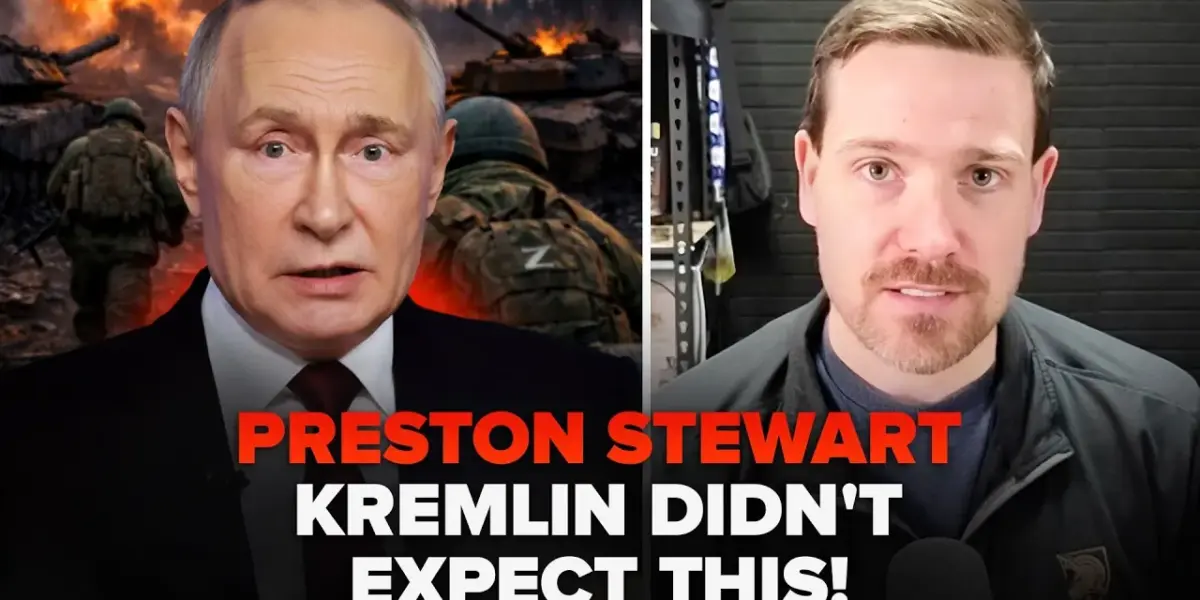
Ukraine’s Evolving Battlefield Strategy
Ukraine is demonstrating remarkable adaptability on the battlefield, steadily reclaiming territory and shifting the dynamics of the conflict. Despite Russia’s superior resources, the Ukrainian army is effectively regaining the initiative through a refined and intelligence-driven approach. This strategic evolution moves away from large-scale armored assaults, reminiscent of 2023, towards more targeted operations that exploit Russian vulnerabilities.
Exploiting Russian Overextension
Recent Ukrainian successes, such as those seen in Kubansk and Dopilia, highlight a tactical shift. Instead of attempting to break through entrenched Russian lines with massive force, Ukraine is meticulously identifying and capitalizing on areas where Russian forces have overextended themselves. These are often positions where Russia has exaggerated or misrepresented control, leaving troops isolated and vulnerable. Ukrainian forces are monitoring these situations, positioning dedicated assault resources, and then methodically advancing to neutralize and capture these exposed Russian units.
“Instead, they’re taking advantage of where in certain areas Russia has exaggerated or outright lied about some of their advances and they’re vulnerable. So, it’s not a widespread offensive. It’s not trying to necessarily even take back significant portions of territory, although that has been the uh the result in some of these cases. It’s mostly just kind of in a sense like a boxer would fight. you you wait to see exactly how your adversary acts and you take advantage of the opening and the opening that Russia has left vulnerable for a while now has been the uh the overextension of their forces.”
Adapting to New Warfare
The conflict has seen a significant transformation from an artillery-focused fight, which Russia favors, to a more sophisticated drone warfare. Ukraine is at the forefront of this adaptation, conducting operations that are heavily resourced and driven by precise intelligence. This mirrors the adaptive nature observed throughout the conflict, with tactics changing significantly every few months.
Russia’s Domestic Landscape and Information Control
Domestically, Russia appears to be moving towards a more closed, North Korea-style system, though it has not yet reached that level of isolation. While economically trending in that direction, Russia has proven more effective than anticipated at bypassing sanctions and maintaining imports. However, this increasing isolation from the outside world, particularly through the restriction of online platforms like Telegram, presents significant downsides for Russia.
The Kremlin’s rationale for restricting platforms like Telegram often centers on claims of them being used to facilitate terrorist attacks. However, this move is seen as a broader effort to control the information environment. The shutdown of communication channels, including Telegram, hinders the flow of information from soldiers at the front to their families and to reporters, potentially leading to decisions made on faulty intelligence, a recipe for disaster in a war zone. While there are risks of operational security leaks, Russia’s focus on complete information suppression is viewed as a net negative for the country in both the short and long term.
Mobilization and Public Sentiment in Russia
Despite speculation, a further wave of mobilization in Russia does not appear imminent. Such a step would be significant, particularly given the Kremlin’s efforts to shield the average middle-class Russian from the war’s impact, while less concern is shown for poorer communities outside of Moscow. The ability to bypass sanctions and maintain a semblance of normalcy for some segments of the population may be contributing to a continued willingness to endure setbacks, potentially fueled by nationalism.
It remains challenging from the outside to gauge the full impact of the war and sanctions on the Russian populace. While setbacks like exclusion from international sporting events might be expected to wear on people, it’s unclear if this is hardening resolve or leading to widespread discontent. The willingness of the average Russian to accept significant changes and setbacks for territory in Eastern Ukraine, which may not directly impact their daily lives in Moscow, is difficult to ascertain, but underlying nationalism likely plays a substantial role.
The Search for an Off-Ramp
Ending the war presents a complex challenge, with historical precedents suggesting that conflicts often conclude through face-saving exits rather than total defeat. However, in Russia’s case, any concession risks rewarding aggression. Negotiations have struggled to gain traction, with progress often made on non-critical issues while fundamental disagreements on territorial control and security guarantees remain.
A potential, albeit risky, pathway to ending the conflict could involve NATO taking a more definitive stance. If NATO were to admit Ukraine and deploy defensive forces to Western Ukraine, signaling a clear commitment to deter further Russian aggression, it might compel Putin to reconsider his strategy. Putin’s known fear of direct conflict with NATO, despite rhetorical threats, could be a decisive factor. Facing a direct confrontation with the alliance might force him to seek a resolution, even if it requires re-framing it as a victory for the Russian people.
An Uncertain Stalemate
Currently, the situation appears to be a stalemate. Russia lacks the immediate capacity to achieve a decisive victory on the battlefield, while Ukraine faces the daunting task of forcibly expelling Russian forces from occupied territories. With negotiations stalled, the path forward remains unclear, leaving a period of uncertainty in the ongoing conflict.
Source: ⚡️Ukraine is launching a counteroffensive on frontline. Putin’s offensive plans have been ruined (YouTube)

Related Articles

G7 Allies Clash Over Iran War Strategy, Urge Focus on Russia
G7 foreign ministers met in Paris, revealing deep divisions over the U.S. war with Iran. European allies urged the U.S. to pressure Russia, linking its actions to the conflict and fearing support for Ukraine will wane.

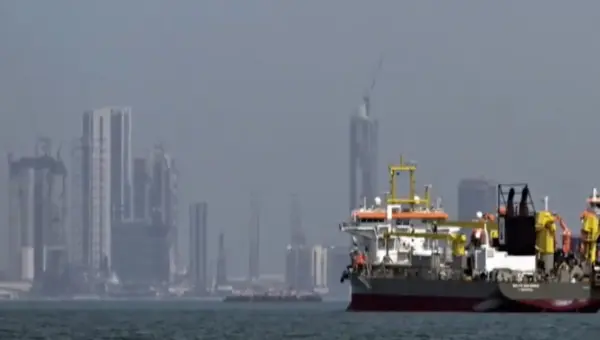
Iran Blocks China Ships, Exposing Beijing’s Weak Grip
Iran's recent decision to block Chinese ships at the Strait of Hormuz is exposing the limits of Beijing's influence in the Middle East. This action is causing delays and cancellations for Chinese manufacturers, turning a perceived geopolitical win into an economic strain.
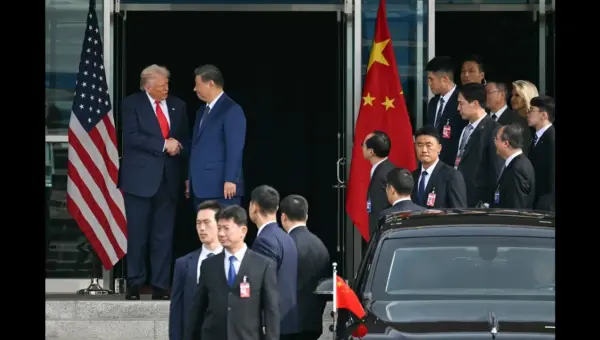
Trump’s “Walk Away” Tactic Signals Tougher Stance on China
Retired Air Force Brigadier General David Stillwell believes President Trump's strategy of being willing to walk away from negotiations puts pressure on China. This tactic, combined with US global actions and strengthened alliances, signals a more assertive American foreign policy.