Ukraine Seeks Peace Talks Amidst Shifting Global Alliances
Ukraine is pushing to restart peace talks with Russia, but global events like the conflict in Iran are complicating efforts. Experts suggest these distractions and shifting alliances benefit Russia, while Ukraine and Europe face pressure to increase their own defense capabilities. The path to peace remains uncertain, with concerns about the effectiveness of U.S.-brokered negotiations.

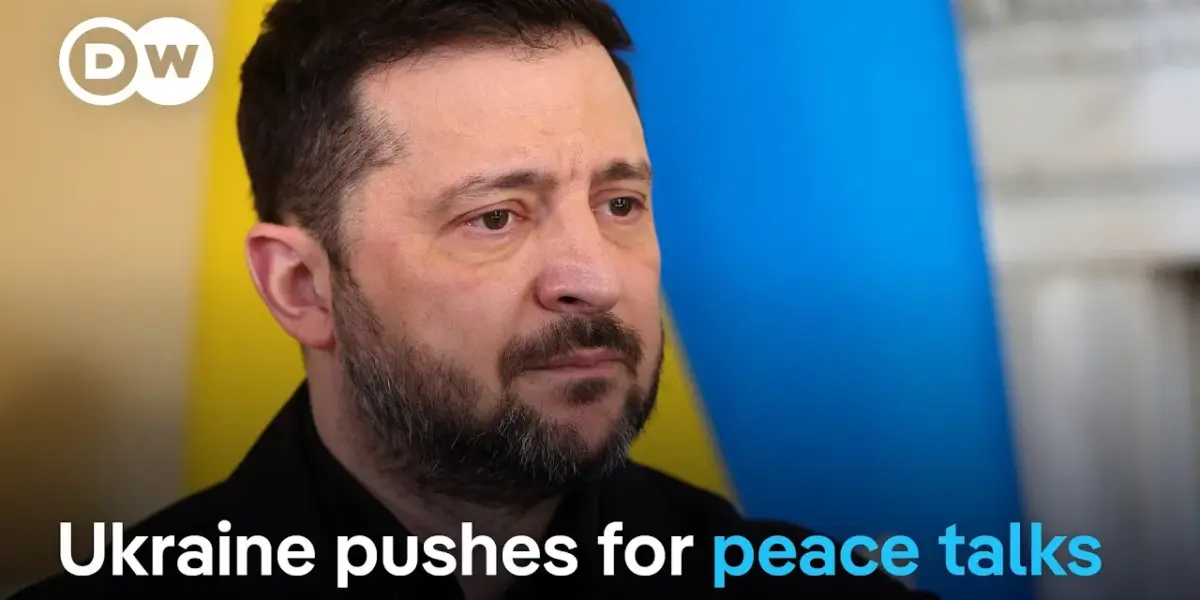
Ukraine Pushes for Renewed Peace Talks Amidst Global Distractions
Ukraine is actively seeking to restart peace negotiations with Russia, with the United States playing a brokering role. However, these efforts are currently facing significant hurdles. Ukrainian officials are traveling to the U.S. this Saturday in an attempt to revive the stalled talks. President Zelenskyy has urged European leaders to ensure Russia does not gain an advantage as these discussions unfold.
Global Events Complicate Ukraine’s Peace Efforts
Several international developments are impacting Ukraine’s strategic position and its pursuit of peace. Firstly, Russia is observing the extensive use of air defense missiles in the Middle East and the Gulf region. This could lead Moscow to believe that Ukraine might face a shortage of such crucial weaponry. Secondly, a proposed 20th sanctions package against Russia by the European Union is currently stalled, further weakening the pressure on Moscow.
“First, Russians see active use of air defense missiles in the Middle East and the Gulf region, and they may think Ukraine will face a shortage of such missiles. Second, the EU’s 20th sanctions package against Russia is stalled.”
Expert Analysis: Iran Conflict Benefits Putin
Sir Richard Sheriff, former NATO Deputy Supreme Allied Commander Europe and co-founder of Strategia Worldwide, offered his insights on the current geopolitical climate. He believes that Russian President Vladimir Putin is the primary beneficiary of the escalating conflict involving Iran. Sheriff noted that rising oil prices, fueled by the conflict, directly translate into financial gains for Putin.
Furthermore, the large-scale use of U.S. anti-missile systems like Patriot in the Middle East could reduce their availability for Ukraine. This, coupled with a selective easing of U.S. sanctions on Russian oil, directly aids Putin’s objectives. Sheriff emphasized that the intense focus on the Iran conflict distracts crucial attention from the war in Ukraine, which he described as an existential threat on Europe’s border.
Concerns Over U.S.-Brokered Peace Talks
Regarding the U.S. efforts to reboot trilateral talks with Russia, Sheriff expressed skepticism. He suggested that if the U.S., particularly under a potential Trump administration, is involved, these talks could become repetitive. He fears that the U.S. might attempt to force a deal that favors Russia’s demands, possibly due to external influences on the U.S. negotiating position.
Sheriff argued that lasting peace in Ukraine can only be achieved through Russia’s defeat. This, he stated, requires a robust and coordinated strategy from Europe and Canada. Such a strategy must include not only increased military support, far exceeding current levels, but also significant investment in Ukraine’s defense industries. Financial and economic measures are also vital components of this comprehensive approach.
NATO’s Shifting Role and European Security
The conflict in Iran has also highlighted divisions within alliances. Sheriff addressed concerns about U.S. calls for allies to support the war in Iran, noting that NATO allies have responded with caution. He explained that Article 5 of the NATO treaty is for collective defense against an attack on a member, not for supporting a “war of choice” like the conflict in Iran.
He believes that trust in America as a guarantor of European security has been eroded. This began when U.S. leaders signaled a reduced commitment to underwriting European security, prompting a need for European nations to increase their defense spending. Sheriff stressed the necessity for European nations to step up, unite, and significantly bolster their defense capabilities to fill the potential gap left by a less engaged U.S.
Future of European Defense and U.S. Relations
Sheriff urged European nations to take greater responsibility for their own security. He advocated for a substantial increase in defense spending and a thorough assessment of the capabilities the U.S. currently provides to the alliance. The goal, he stated, should be to eventually replace these capabilities. He also suggested “Europeanizing NATO,” acknowledging that a future U.S. administration might not be a reliable partner.
He referenced Prime Minister Mark Carney of Canada’s observation of a “rupture” in transatlantic relations. Sheriff agreed, calling for a managed transition that maintains strong links with America while Europe builds its own capacity. He believes that a stronger, more self-reliant Europe will ultimately be a better ally to the United States.
Uncertainty Surrounding U.S. Strategy in Iran
When asked about the U.S. strategy in Iran, Sheriff expressed doubt about the existence of a clear plan. He suggested that the U.S. may be improvising its approach, leading to unpredictable outcomes. The U.S. appears to have been surprised by Iran’s regional response to the initial attacks, which has resulted in the Strait of Hormuz being threatened, impacting the global economy.
Sheriff outlined potential, though difficult, ways the conflict could end. Options range from declaring victory and withdrawing, which he sees as a humiliating defeat for the U.S., to escalating the conflict. A negotiated settlement is also a possibility, potentially involving European mediation. However, any such agreement would likely be perceived as a victory for Iran, requiring concessions from the U.S. and Israel, including sanctions relief and guarantees against further strikes. Sheriff concluded that the current situation presents a lose-lose scenario for the United States.
Source: Ukraine wants to reboot the peace talks with the US and Russia | DW News (YouTube)

Related Articles
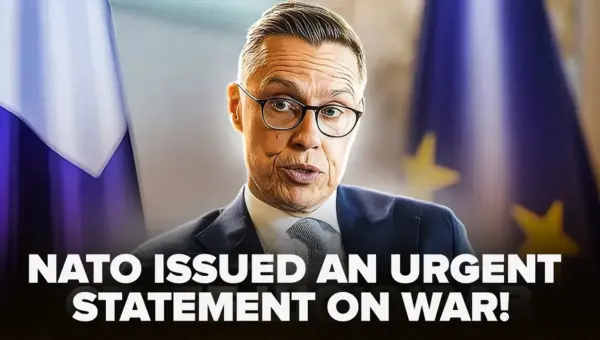
Ukraine Strikes Russian Oil Refinery, Eyes Iran Threat
Ukrainian forces struck a key Russian oil refinery, disrupting Moscow's war capabilities. Meanwhile, Finland's president urged continued U.S. support for Ukraine, as Kyiv shares its air defense expertise globally amid growing geopolitical complexities involving Iran and potential sanctions against Hungary.
Iran War Claims Ring Hollow as US Troops Injured in New Attack
Days after Donald Trump claimed "we've won" the war with Iran, a new attack injured approximately a dozen U.S. troops and damaged aircraft. This incident contradicts Trump's assertions of victory and raises serious questions about the strategy and reality of the ongoing conflict.
US Weighs Shifting Ukraine Weapons to Iran Amid Missile Shortage
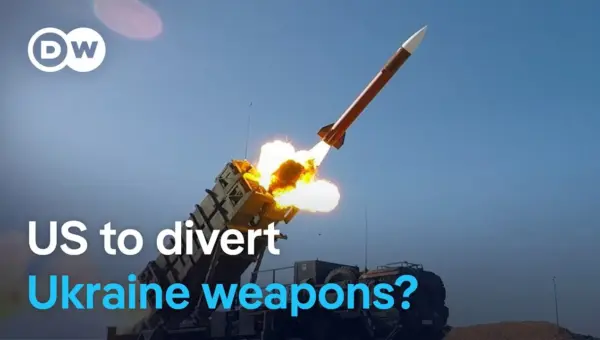
The U.S. is reportedly considering diverting weapons destined for Ukraine to support operations against Iran, driven by rapidly depleted missile stocks. This potential shift raises concerns about Ukraine's defense capabilities and highlights the complex interplay between global conflicts.