Ukraine Rejects US Ultimatum on Donbas: Allies Rally
Ukraine is reportedly prepared to reject U.S. demands for territorial concessions in Donbas, signaling greater independence from Washington. This stance, supported by European allies, comes as Russia maintains its maximalist demands. The situation mirrors past diplomatic pressures and highlights Ukraine's growing resilience.


Ukraine Rejects US Ultimatum on Donbas: Allies Rally
Kyiv has signaled a firm stance against potential U.S. pressure to cede territory in the Donbas region to Russia. This development suggests Ukraine, bolstered by European and other international support, is prepared to defy American demands, potentially altering the dynamics of future peace talks.
Background: The 28-Point Ultimatum
The current situation echoes a past attempt to dictate terms. In late October, the Kremlin, through Vladimir Putin’s adviser Vladislav Surkov and associates of former President Donald Trump, including Steve Bannon and Jared Kushner, reportedly presented a 28-point ultimatum to Ukraine. This proposal demanded Ukraine surrender all of the Donetsk region and forgo significant security guarantees. At the time, Ukraine and European nations pushed back. They countered with proposals for a ceasefire along current front lines and security assurances for Ukraine. These counter-proposals stalled negotiations that were ongoing in early 2026 before the outbreak of the full-scale invasion in late February.
Russia’s Stance and Ukraine’s Resilience
Analysts believe Russia is unlikely to return to genuine negotiations focused on a ceasefire or security guarantees. Instead, Moscow is expected to demand full control over the Donbas region, offering only nominal security assurances on paper. Ukraine, however, has consistently rejected such terms. Ceding the entirety of Donetsk would require a constitutional referendum, and the 20-30% currently held by Ukraine is strategically vital. This area impacts not only the Donbas but also the wider security of Ukraine.
Shifting Alliances and Independence from Washington
The recent shift suggests Ukraine is becoming less reliant on Washington. With substantial assistance from the European Union, Asian nations, and potentially Middle Eastern countries following President Zelenskyy’s Gulf State tour, Kyiv feels empowered. If the U.S. were to issue an ultimatum demanding territorial concessions, Ukraine might now respond by rejecting it. This would challenge the U.S. administration’s influence and its role in the conflict.
This move towards greater independence reflects a growing realization among Ukraine, Europe, and other global partners that consistent support cannot be guaranteed from a potential Trump administration. The focus is shifting towards building a defense strategy that does not depend on Washington’s directives. This approach aims to ensure Ukraine’s ability to defend itself regardless of U.S. political changes.
Broader Geopolitical Context: Iran Conflict and Trump’s Approach
The analysis also touches upon the broader geopolitical landscape, including the U.S. military actions against Iran. Reports indicate threats of widespread destruction against Iranian civilian infrastructure, including power plants and potentially essential services like desalination facilities. These actions have been described as potential war crimes, with statements suggesting a disregard for international law.
The situation in Iran highlights a pattern of aggressive demands. Following 39 days of conflict, the U.S. administration faces a critical juncture. Air power alone has not secured regime surrender. The options appear to be either engaging in genuine negotiations or deploying ground troops. The latter is reportedly viewed with apprehension due to potential domestic opposition and the anticipated strong resistance from Iranian forces, drawing parallels to the challenges faced in Iraq in 2003.
Negotiations and Stalemate
Previous attempts at negotiation, such as those in Geneva before the war, involved discussions on Iran’s nuclear program, ballistic missiles, and regional influence. However, these talks reportedly faltered when U.S. envoys, without diplomatic or technical experts present, presented demands that Iran rejected. Currently, communication between the U.S. and Iran is occurring through Pakistan. However, demands remain far apart, with the U.S. seeking control of the Strait of Hormuz and an end to Iran’s regional activities, while Iran insists on retaining control of the waterway and demands reconstruction funds.
Despite the deep disagreements, the exchange of messages offers a small possibility of de-escalation, including a potential 45-day ceasefire. This could reduce the risk of wider military escalation and a potential U.S. ground invasion.
The Concept of ‘Winning’ in Conflict
The article questions the notion of ‘winning’ in modern warfare, suggesting that all parties incur significant losses, including casualties and displacement. From the Iranian regime’s perspective, survival in power, despite heavy leadership losses, could be seen as a limited success. Israel, while not achieving regime change in Iran, has expanded its influence in Lebanon and maintained control in Gaza.
For the U.S. administration, ‘winning’ would likely require securing concessions, such as Iran abandoning its civilian nuclear program. Failure to achieve this, especially after incurring economic costs and potentially violating campaign promises against foreign interventions, would represent a significant loss. The inability to secure control of the Strait of Hormuz, a vital global waterway, further complicates any claim of success.
Strategic Implications
Ukraine’s potential defiance of U.S. pressure marks a significant strategic development. It suggests that a coalition of nations, including key European allies, is willing to chart its own course in supporting Ukraine’s sovereignty. This could empower Ukraine to negotiate from a stronger position, based on its own strategic interests rather than external demands. The situation also highlights the growing complexity of international relations, where the influence of traditional powers may be challenged by emerging alliances and a greater emphasis on self-determination.
The parallel conflict in Iran underscores the difficulties of imposing will through military means alone. It demonstrates that even powerful nations may face limitations when confronting determined adversaries, especially when domestic and international support for prolonged conflict is uncertain. The economic repercussions of such conflicts, including disruptions to global energy markets, also serve as a critical factor in strategic calculations.
Source: 💥US demand Donbas SURRENDER to Russia — Zelenskyy STRIKES BACK @WorldatStake24 (YouTube)

Related Articles
Iran Talks Collapse: US Blocks Strait, Escalates Tensions
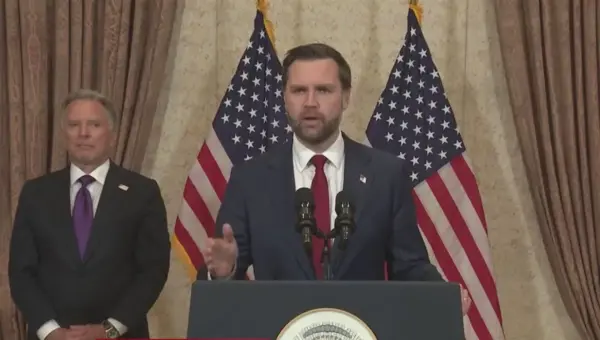
Peace talks between the U.S. and Iran have collapsed over Iran's nuclear ambitions. In response, the U.S. Navy has initiated a blockade of the Strait of Hormuz, escalating tensions and threatening global oil supplies. This move follows Iran's refusal to meet key American demands.

US Navy Blockade of Strait of Hormuz: Power Play or Empty Threat?
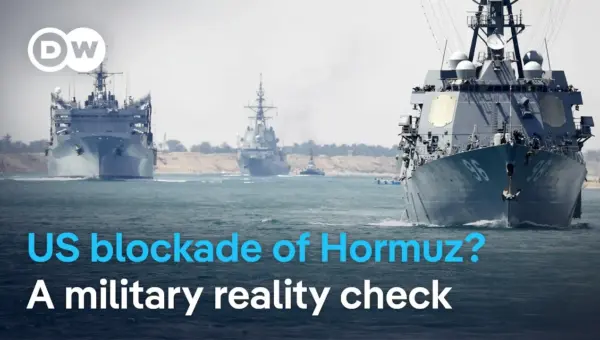
President Trump has threatened a U.S. Navy blockade of the Strait of Hormuz after failed peace talks with Iran. While the U.S. possesses significant naval power, the narrow strait presents challenges, and Iran could retaliate by threatening oil supplies. The situation is described as dangerous brinkmanship in ongoing negotiations.

Trump Orders Strait of Hormuz Blockade, Risks Global Oil Shock
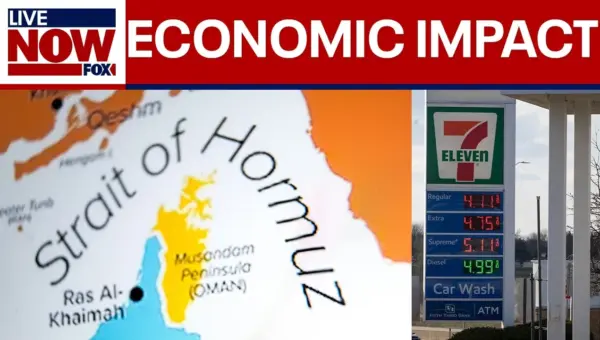
President Trump has ordered the U.S. Navy to blockade the Strait of Hormuz, a critical global oil transit point, sparking fears of soaring energy prices and inflation. This strategic move aims to exert pressure on Iran and China, while also addressing domestic economic concerns ahead of midterm elections.