Ukraine Peace Talks: Territory Concessions Under Scrutiny
Speculation is mounting over whether Ukraine might cede territory for peace, with potential meanings ranging from freezing front lines to formal recognition of occupied lands. The most contentious demand reportedly involves transferring territory not yet seized by Russia.


Ukraine Weighs Territorial Concessions Amidst Peace Talk Speculation
As the conflict in Ukraine grinds on, intense speculation has arisen regarding the possibility of territorial concessions in exchange for peace. While the idea of Ukraine ceding land to Russia might seem straightforward, the implications and potential interpretations are complex and far-reaching. The discussion, often framed by external actors like the United States, centers on whether Kyiv is prepared to relinquish portions of its sovereign territory to achieve a cessation of hostilities. This complex scenario can be broken down into three distinct, albeit interconnected, possibilities, each carrying profound consequences for Ukraine’s sovereignty, international standing, and the future of global security.
Defining ‘Territorial Concessions’: A Spectrum of Meanings
The phrase “ceding territory” in the context of Ukraine’s peace negotiations is not monolithic. It encompasses a range of potential outcomes, from a tacit acceptance of current realities on the ground to formal, internationally recognized transfers of land. Understanding these nuances is crucial to grasping the full weight of the discussions surrounding Ukraine’s potential path to peace.
1. Freezing the Front Lines: A De Facto Understanding
One interpretation of territorial concession involves a “freezing of the front line.” This scenario suggests an agreement where hostilities cease, and the current lines of control become the de facto borders. Under this arrangement, Ukraine would not actively seek to reclaim territories currently occupied by Russia. While not involving an official handover or recognition of Russian sovereignty, it would represent a tacit acknowledgment of Russia’s sustained control over these regions. This approach, while potentially stopping the immediate bloodshed, leaves a significant portion of Ukrainian territory under foreign occupation indefinitely, posing a long-term challenge to national unity and territorial integrity.
2. Official Recognition of Occupied Land
A more severe interpretation of territorial concession involves Ukraine officially recognizing Russian sovereignty over the lands it currently occupies. This would be a deeply painful and politically fraught decision for Kyiv and the Ukrainian people. Such an act would not only legitimize Russia’s military occupation but also set a dangerous precedent on the international stage, potentially signaling that territorial conquest through force can be legalized. This scenario, while not necessarily involving the physical transfer of any *additional* territory beyond what is already occupied, represents a significant blow to Ukraine’s sovereignty and the principles of international law that prohibit the acquisition of territory by force.
3. Transfer of Unoccupied Territory: A Demanded Concession
The most contentious and, according to some sources, actively demanded form of territorial concession involves Ukraine transferring territory that Russia has not yet taken by force. This is the concession that Russia, often with perceived support or pressure from the United States, is reportedly seeking from Ukraine. This scenario goes beyond accepting the current reality of occupation and instead calls for Ukraine to proactively cede strategically or symbolically important regions that remain under Ukrainian control. Such a demand raises profound questions about international diplomacy, the role of external powers in mediating conflicts, and the ethical considerations of pressuring a sovereign nation to relinquish parts of its territory under duress.
The Broader Implications for Ukraine and Global Order
The debate over territorial concessions is not merely an abstract geopolitical discussion; it carries immense weight for the future of Ukraine and the international security order. For Ukraine, any concession, whether de facto or de jure, represents a compromise of its national sovereignty and territorial integrity, principles enshrined in international law. The potential for legitimizing conquest could embolden aggressive states and undermine the post-World War II global order, which was built on the foundations of national sovereignty and the non-acquisition of territory by force.
Furthermore, the internal political ramifications within Ukraine would be immense. Public opinion, deeply invested in defending every inch of Ukrainian soil, would likely react with strong opposition to any formal recognition of Russian control or the transfer of additional lands. The leadership in Kyiv faces the unenviable task of balancing the desire for peace and an end to the immense suffering caused by the war against the fundamental principles of national identity and territorial integrity.
Looking Ahead: The Path to Peace Remains Uncertain
As diplomatic efforts continue, the nature and extent of any potential territorial concessions remain a critical and highly sensitive point of negotiation. The international community watches closely, aware that the outcome of these discussions could shape not only Ukraine’s future but also the future of international relations and the established norms of global security. The coming weeks and months will likely reveal whether a path to peace can be forged without compromising the fundamental principles of national sovereignty and territorial integrity, or if the demands for land will cast a long shadow over any potential resolution.
Source: Is Ukraine ready to cede territory in exchange for peace? (YouTube)

Related Articles
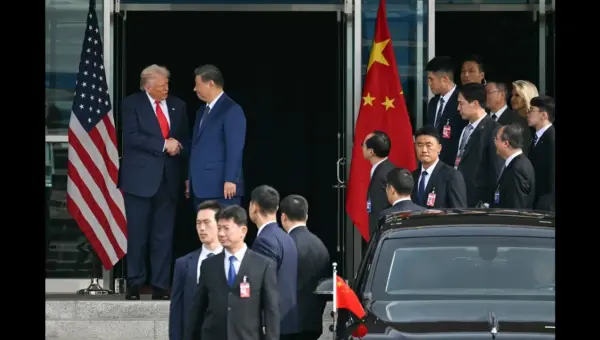
Trump’s “Walk Away” Tactic Signals Tougher Stance on China
Retired Air Force Brigadier General David Stillwell believes President Trump's strategy of being willing to walk away from negotiations puts pressure on China. This tactic, combined with US global actions and strengthened alliances, signals a more assertive American foreign policy.

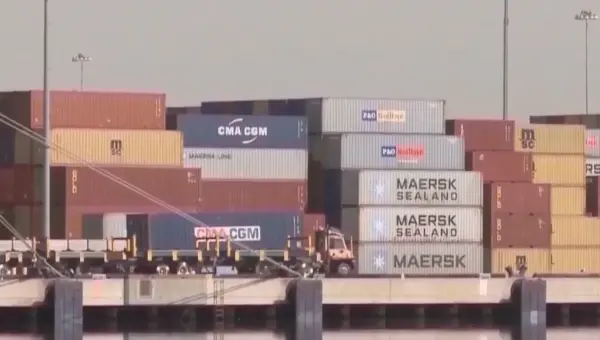
China Fights Back: Tariffs Loom Ahead of Trump Visit
China is retaliating against US trade investigations that could lead to higher tariffs. This escalating trade tension occurs just before a planned visit by President Trump. The dispute involves accusations of unfair practices and impacts global supply chains.

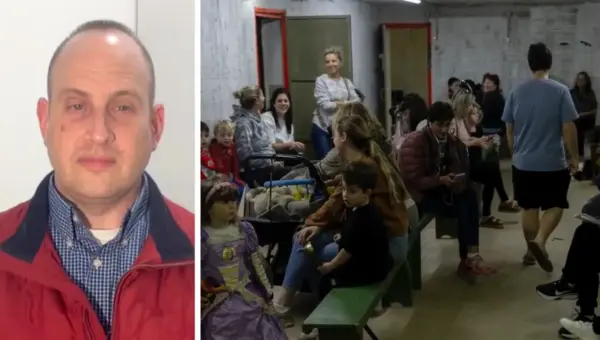
Israelis Forge Resilience Amidst Constant Bomb Shelter Drills
Life in Israel is a blend of resilience and constant vigilance, with many families adapting to frequent bomb shelter drills and even sleeping in makeshift shelters. Despite ongoing missile attacks, Israelis strive to maintain normalcy, though businesses face disruption and emotional fatigue is a growing concern.