Ukraine Offers Drone Defense to Gulf States Amid Iran Tensions
Ukraine is offering its advanced drone defense expertise to Gulf States facing threats from Iran. President Zelenskyy's diplomatic tour aims to secure security pacts, leveraging Ukraine's battlefield-tested, cost-effective solutions. This collaboration could provide crucial support for both Ukraine and its new regional partners.

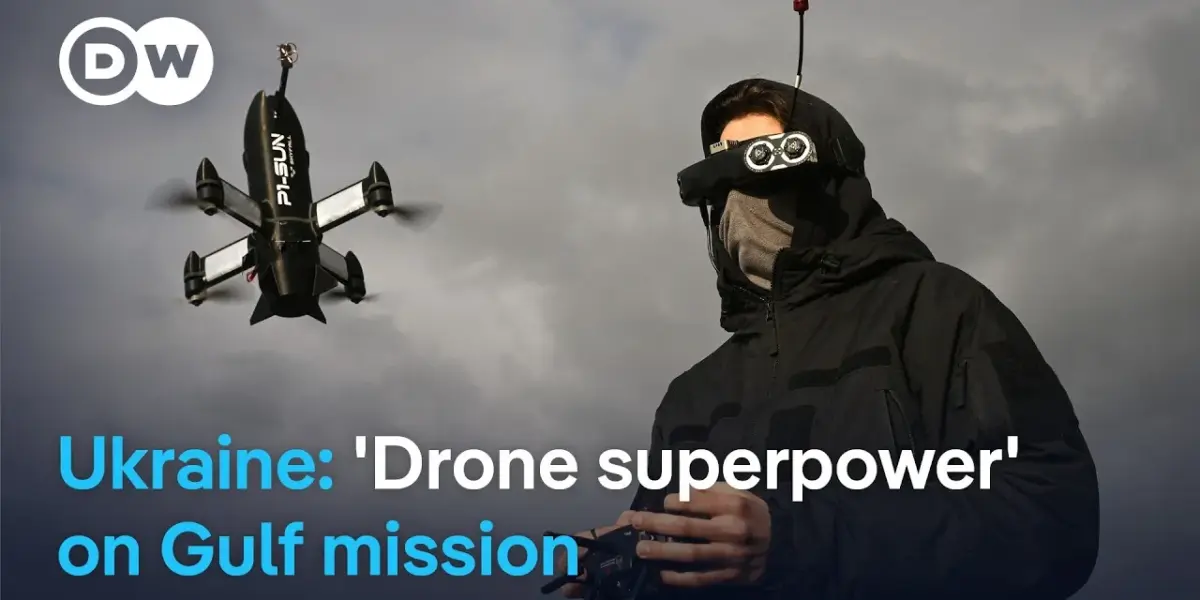
Ukraine Shares Drone Defense Expertise with Gulf Nations
In a significant diplomatic move, Ukrainian President Volodymyr Zelenskyy has been actively engaging with leaders across the Gulf States, offering crucial expertise in drone defense. This outreach comes as Iran’s increasing drone activity poses a threat to the region, mirroring the challenges Ukraine has faced since Russia’s full-scale invasion in 2022. Zelenskyy’s recent tour included meetings with the leaders of Jordan, Qatar, Saudi Arabia, and the United Arab Emirates, aiming to forge security pacts and defense agreements. Ukraine is proposing to share its advanced air defense knowledge and drone technology, hoping to gain support for its own budget deficit and weapons production in return.
From Battlefield to Diplomacy: Ukraine’s Drone Prowess
Anatoli Motkkins, president of the Strategist Center for a New Economy, highlighted Ukraine’s transformation into a “drone superpower.” He explained that Ukraine’s ability to counter Iranian-designed Shahed drones, a key Russian weapon, is not just about having advanced technology but also about cost-effective solutions. “Ukraine has today a unique data and expertise on how to respond to challenges like Shahed drones,” Motkkins stated. Unlike expensive systems like Patriot missiles, Ukraine offers practical, field-tested methods. This expertise stems from a deep pool of over 300,000 highly skilled engineers who, following the full-scale invasion, shifted their focus to developing defense technologies. Many of these engineers were already working in high-tech fields, providing digital services to Fortune 500 companies, and adapted their skills for national survival.
A New Front: Gulf States Face Iranian Drone Threats
The Gulf countries, including Qatar, Saudi Arabia, Jordan, the UAE, and Kuwait, are now experiencing similar threats to what Ukraine has endured. They need to protect vital infrastructure and civilian populations from drone attacks. Motkkins noted that these nations are facing the same reality as Ukraine over the past four years. The stakes are high, especially for countries like Qatar and the UAE, where non-residents form a significant portion of the population, making civilian protection paramount.
Innovation Under Fire: Ukraine’s Rapid Tech Development
The effectiveness of Ukrainian defense technology is evident. While some dismiss it as simple 3D-printed components, Motkkins emphasized the sophisticated integration of advanced and newly developed technologies. Ukraine’s defense sector operates with remarkable speed, driven by direct feedback from frontline soldiers. “The life cycle of any technological solution on the battlefield is maximum four months,” Motkkins explained. This rapid iteration process, often involving testing and adaptation within hours or days, allows Ukrainian engineers to stay ahead. This contrasts sharply with traditional, slower development cycles. The conflict has become a constant “cat and mouse” game, with both Ukraine and Russia continuously updating their drone technology. For instance, Russia is now developing its own adapted versions of Shahed drones in Tatarstan, even supplying them back to Iran.
Cost-Effective Defense: The Drone Interceptor Advantage
A key aspect of Ukraine’s offer to the Gulf States is the affordability of its solutions. Motkkins pointed out the stark cost difference between Western air defense systems and Ukrainian alternatives. While a Patriot missile can cost millions, a Ukrainian interceptor drone capable of taking down a Russian drone costs around $6,000. This makes advanced defense accessible and sustainable. Ukraine’s solutions include acoustic systems that detect and neutralize drones using guns, as well as radar-based systems that identify and track incoming threats. Some devices, costing as little as $600, provide soldiers with real-time visual information of approaching drones.
Mutual Benefit: Investment and Technological Collaboration
Ukraine views the Gulf States as a significant opportunity for investment. Motkkins suggested that collaboration could extend beyond defense tech to other technological domains. Gulf companies could benefit from Ukraine’s high-level engineering services, while Ukrainian startups and tech firms could gain new customers and funding. Senior advisors in Qatar have recognized the unique value of Ukrainian engineers, noting their resilience and ability to innovate under pressure. Ukraine’s experience in defending against constant cyberattacks, including those from Russia and China, means its technology is inherently more secure. “The experience of Ukrainian cyber and also any of their products to be tested in the cyber sphere means to be safer than many other solutions,” Motkkins stated. This resilience is a valuable asset for nations seeking to protect themselves in an increasingly complex global security environment.
The Future of Warfare and Diplomacy
Ukraine’s strategic partnerships with Gulf nations signal a potential shift in regional security dynamics. The sharing of drone defense technology could not only bolster the defenses of these countries against Iranian aggression but also provide Ukraine with much-needed financial and political support. As the conflict in Ukraine continues, its role as a provider of cutting-edge defense solutions is becoming increasingly prominent, demonstrating its capacity to adapt and innovate even amidst ongoing warfare. The ongoing dialogue between Kyiv and the Gulf capitals will be crucial in shaping future security arrangements and technological collaborations.
Source: Could Ukraine be benefitting from the Iran war? | DW News (YouTube)

Related Articles
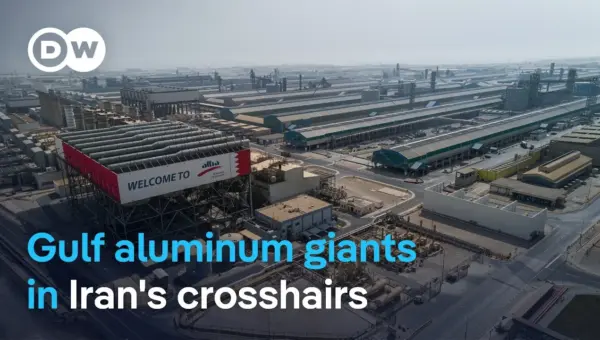
Iran Strikes UAE, Bahrain Aluminum Plants Amid Escalation
Iran has intensified its regional conflict by striking major aluminum production plants in the UAE and Bahrain, claiming they were linked to the U.S. military. These attacks target a key sector vital for global economies and renewable energy, potentially increasing inflation and disrupting supply chains.

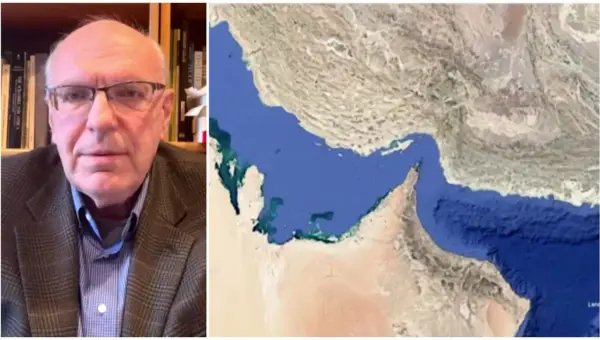
Iran’s Houthi Gambit Signals Desperate Strategy
Iran's backing of the Houthis in the Middle East conflict signals growing desperation, according to expert David Worms. Limited resupply and potential U.S. and Israeli action could quickly diminish Houthi capabilities. Disruptions to Red Sea shipping pose significant global economic risks, while Iran's attempts to control waterways are seen as a step backward.

Iran Mocks Trump: War Lies Exposed, Leaders Show Infantile Behavior
Iran is using memes to mock Donald Trump, portraying him as incompetent and childish. Reports suggest his military briefings were reduced to two-minute "snackables" of explosions, potentially hiding the full scope of the war. This approach raises concerns about serious decision-making and has led to a loss of public trust.