Ukraine Offers Defense Prowess to Gulf States
Ukraine is signing 10-year defense cooperation agreements with Saudi Arabia, UAE, and Qatar, offering its expertise in air defense and counter-drone technology. This move positions Ukraine as a security provider while Russia and Iran reportedly deepen military ties, raising concerns about regional stability.

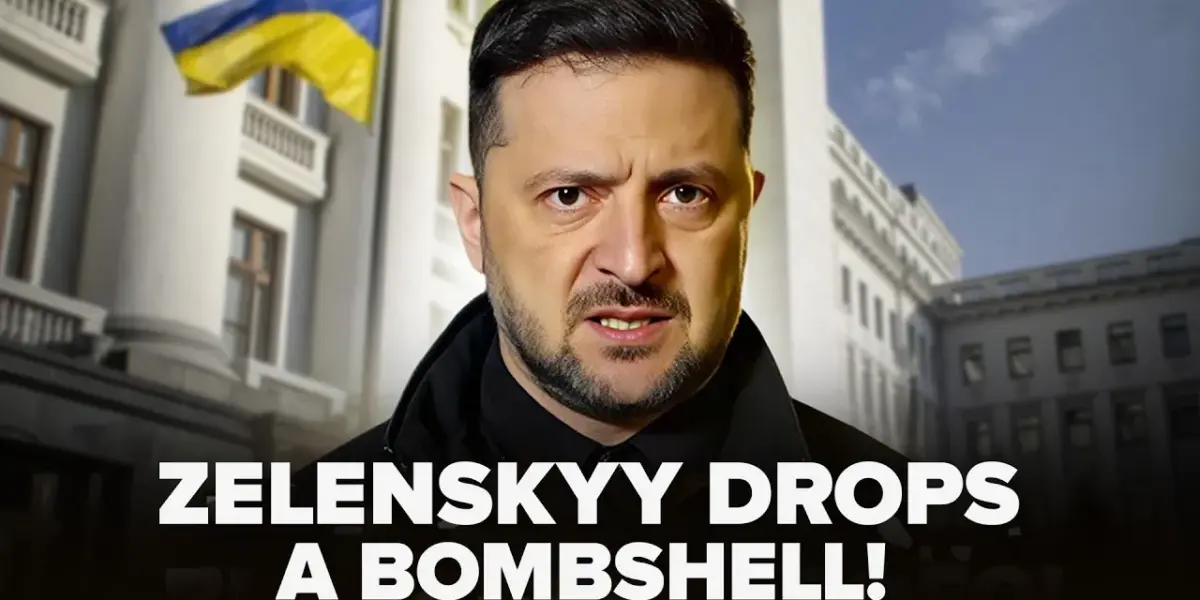
Ukraine Offers Defense Prowess to Gulf States
Ukraine is forging new defense partnerships, signing long-term agreements with Saudi Arabia, the United Arab Emirates, and Qatar. These deals focus on security cooperation, technology sharing, and training. They are expected to run for 10 years. Ukrainian officials describe these agreements as part of a larger effort to build international ties while the country continues its war with Russia.
Air Defense Cooperation Key to New Deals
A major part of these agreements involves cooperation on air defense systems and counter-drone technology. Ukraine plans to share its hard-won experience fighting Russian missile and drone attacks. This includes practical battlefield knowledge on how to detect, track, and intercept threats. The cooperation will also feature training for Gulf military personnel. Sharing air defense tactics and systems is a key component. Joint work on counter-drone technologies is also included. There may even be cooperation in defense manufacturing.
In some cases, Ukrainian defense experts could be sent to Gulf nations. They would help improve those countries’ air defense capabilities. Gulf nations have increasingly focused on defending against missile and drone attacks. Recent regional incidents involving drones and long-range strikes have pushed these countries to invest more in air defense. Officials in the region see Ukraine as a nation with unique, real-world experience in air warfare. Since Russia’s full-scale invasion, Ukraine has faced frequent, large-scale drone and missile attacks. It has developed systems and tactics to respond under combat conditions. This experience is now considered valuable by other nations.
Ukraine Seeks Support, Gulf Nations Seek Security
In return, Ukraine is looking to strengthen its own defense and economic position. Officials say Kyiv seeks access to advanced air defense systems. It also wants financial investment in its domestic defense industry. Expanded economic cooperation with Gulf nations, including energy and fuel agreements, is also a goal. These deals are part of Ukraine’s strategy to secure long-term support beyond traditional Western partners. Analysts believe these agreements show a shift in Ukraine’s international role. Instead of only receiving aid, Ukraine is positioning itself as a provider of modern battlefield expertise.
At the same time, Gulf nations are seeking partners to help them respond to evolving threats. These include drones, cruise missiles, and air attacks. This overlap in interests has created a new layer of cooperation between Ukraine and the Gulf. The agreements highlight Ukraine’s effort to diversify its international partnerships. Since 2022, Kyiv has expanded diplomatic and defense ties across Europe, the Middle East, and beyond. For Gulf nations, these partnerships reflect growing concerns about regional security. They also show a desire to strengthen their air defense capabilities using proven, real-world experience.
Russia-Iran Ties Deepen Amid Regional Tensions
Meanwhile, reports suggest deepening military cooperation between Russia and Iran. Western intelligence officials believe Russia may be sharing intelligence with Iran about the location of U.S. military forces in the Middle East. This information, likely from Russian satellites and signal intelligence systems, could include details about U.S. troop, ship, and aircraft positions. While U.S. officials have not confirmed direct Russian involvement in planning attacks, they acknowledge monitoring contacts between Moscow and Tehran. This trend is seen as increasingly destabilizing.
The Pentagon has acknowledged it is closely tracking contacts between Russia and Iran amid growing military cooperation. Analysts say this relationship has deepened in recent years, especially through drone and weapons transfers, and intelligence sharing. This cooperation could help Iran improve its awareness of U.S. movements. Experts caution there is no proof Russia is directing Iranian operations. Any support so far appears to be indirect, mainly in the form of intelligence sharing. This development is viewed as part of a broader pattern of indirect competition between the U.S., Russia, and Iran, where regional conflicts are shaped by outside support rather than direct confrontation.
U.S. Considers Options Amidst Escalating Iran Conflict
The conflict between the U.S. and Iran continues to escalate. The Pentagon is reportedly preparing options for possible ground operations inside Iran. U.S. officials state this planning has been underway for weeks. It is part of a broader set of military options being developed for the White House. However, no decision has been made. The options under review do not include a full-scale invasion. Instead, they focus on limited operations. These could include special operations raids inside Iranian territory or short-term ground missions targeting specific sites.
Operations involving special forces and limited infantry units are also being considered. These missions would aim to achieve narrow military objectives rather than occupy territory. Planners have reportedly considered potential operations against strategic infrastructure. This includes coastal facilities and shipping-related sites. These are locations linked to Iran’s ability to project power in the Gulf region. A key focus mentioned is securing or influencing access to strategic maritime routes, including the Strait of Hormuz.
Confusion Surrounds U.S. Strategy Towards Iran
There is significant confusion surrounding the U.S. strategy towards Iran. President Trump has sent mixed signals, tweeting about “great progress towards a deal” while also threatening to “obliterate” Iran’s electricity plants, oil facilities, and desalinization plants if the Strait of Hormuz is not opened. The defense secretary has repeated these threats. The reality is that if the U.S. aims for regime surrender, ground operations would be necessary.
However, the administration is split on this issue. Some, privately encouraged by Saudi Arabia and the UAE, want ground operations against Iranian islands. Others oppose this due to the difficulty of such operations, Iran’s likely resistance, and President Trump’s past statements against ground involvement in other countries. Additionally, the U.S. has memories of difficult ground operations in Iraq and Afghanistan. Some officials have reportedly spoken to the press, suggesting Trump might be considering withdrawing from the conflict. Yet, the Treasury Secretary has indicated that it might be acceptable if Iran controls the Strait of Hormuz.
Strategic Implications
Ukraine’s move to offer defense expertise to Gulf nations signifies a strategic pivot. It transforms the nation from a recipient of aid to a security partner. This diversification of partnerships is crucial for Ukraine’s long-term security and economic stability. For the Gulf states, acquiring Ukraine’s battle-tested air defense and counter-drone experience offers a tangible benefit against evolving regional threats. The deepening Russia-Iran military ties, however, present a significant challenge. The potential sharing of intelligence on U.S. troop movements raises concerns about regional stability and U.S. force protection. The U.S.’s internal debate over potential ground operations in Iran highlights a complex and uncertain strategic environment, with conflicting signals and internal divisions potentially impacting its ability to project power and deter adversaries effectively.
Source: 💥Zelenskyy makes BOLD move — Ukraine to help DEFEAT Iran @WorldatStake24 (YouTube)

Related Articles


GOP Lawmaker Slams Dems’ ‘Word Games’ on Iran Threat
A GOP lawmaker criticizes Democrats for perceived hypocrisy on the Iran threat, accusing them of "word games" and downplaying danger while the White House provides financial aid. The congresswoman highlights past warnings about Iran's nuclear program and contrasts them with current Democratic stances.

Trump’s Iran Policy: Allies Strain, Goals Unclear Amid War
President Trump's Iran policy faces growing scrutiny as the conflict drags on, straining alliances and leaving strategic goals unclear. Allies question U.S. reliability amid airspace bans, while lawmakers demand answers about the war's endgame. The administration's vague objectives and potential willingness to end the campaign without securing key waterways like the Strait of Hormuz raise concerns about future economic stability and international relations.


Stocks Surge as Iran War Hopes Rise, But Oil Crisis Looms
Stocks rallied significantly on hopes of an end to the Iran conflict, but experts warn the oil market crisis is far from over. Despite the market's optimism, economists and business leaders are concerned that high oil prices could still trigger a recession and impact consumer costs for months to come.