Ukraine Offers Combat Expertise in Middle East War
Ukraine is leveraging its extensive combat experience to offer air defense expertise and drone technology to nations involved in the Middle East conflict. This move aims to forge new alliances, secure economic benefits, and bolster its global standing, despite facing rejections and internal challenges.

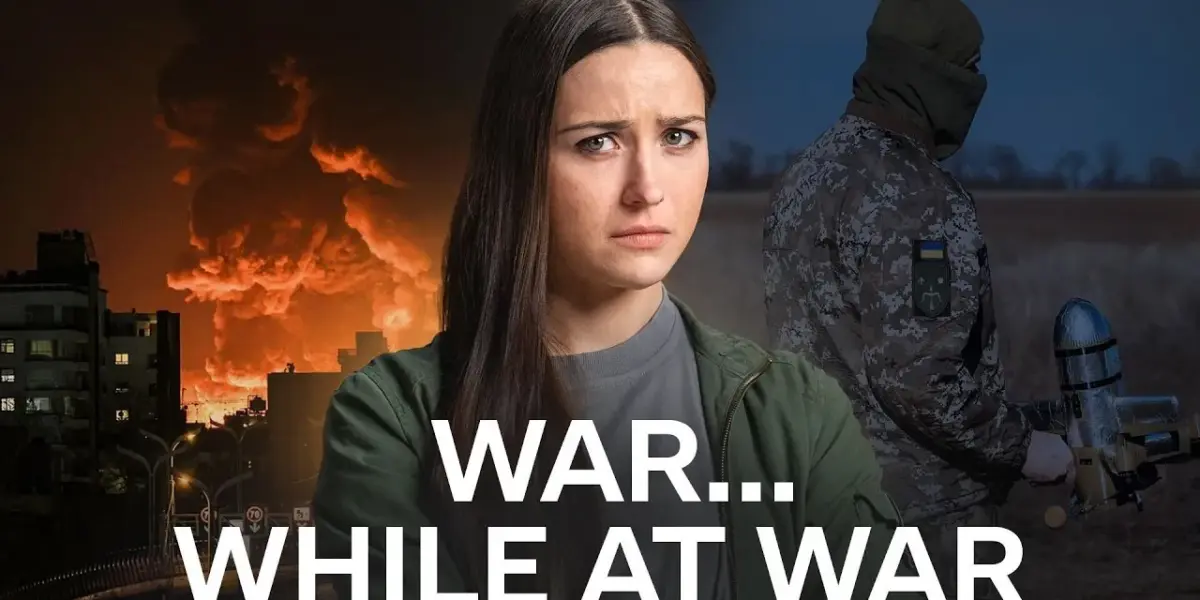
Ukraine Leverages Combat Experience in Middle East Conflict
As conflict erupted in the Middle East, Ukraine extended an offer to its allies: share its hard-won combat experience. Some nations have accepted this offer, integrating Ukraine’s battlefield knowledge into their own defense strategies. However, other countries have notably declined. This situation presents a complex dynamic, raising questions about why a nation actively engaged in its own war would involve itself, even indirectly, in another conflict. From Kyiv, this report examines Ukraine’s evolving role in the Middle East, focusing on its efforts to forge alliances, the rejections it has faced, and the potential benefits it seeks.
Middle East Conflict and Ukraine’s Swift Response
The war in the Middle East officially began on February 28th with coordinated strikes by US and Israeli forces on Iran, followed by retaliatory attacks on Israel and US bases across the Gulf. Just one day later, President Zelenskyy reportedly offered allies Ukraine’s proven expertise in air defense. This offer was presented as a practical and mutually beneficial solution. Ukraine has years of experience defending against Iranian-designed drones, common in the Middle East. This firsthand knowledge of what works in practice under attack is invaluable, even for nations with greater resources.
By mid-March, President Zelenskyy announced that 11 countries had expressed interest in acquiring Ukrainian interceptor drones. “Right now, there are 20 Ukrainians in the Middle East and Gulf region, and another 34 are ready to deploy,” he stated. “These are military experts who know how to help, how to defend against Shahed drones. Our teams are already in the Emirates, Qatar, and Saudi Arabia, and on the way to Kuwait. We are working with several other countries. Agreements are already in place.” These deployments were made at the request of partners, including the United States, and are linked to a proposed drone deal still under discussion.
Stabilizing Trade Routes: A Strategic Connection
Kyiv has also positioned itself as a key player in stabilizing global trade routes. Given the economic benefits Russia derives from disrupted shipping from Gulf States, Ukraine’s experience in keeping maritime routes open during conflict is particularly relevant. President Zelenskyy highlighted this, stating, “The experience of unblocking the Black Sea corridor amid Russian attacks makes Ukraine uniquely qualified to weigh in on this matter.”
Rejection from Washington and Bilateral Partnerships
Not all nations have readily accepted Ukraine’s assistance. Former US President Donald Trump, for instance, publicly stated that America does not need Ukraine’s help in drone defense, asserting the US possesses superior drone technology. He also reportedly threatened to halt aid to Ukraine if European partners did not contribute more to reopening the Strait of Hormuz. This rejection of Ukraine’s combat-tested expertise, developed under intense pressure, was seen by many as dismissive of Ukraine’s strategic value.
In light of this, Kyiv has focused on building bilateral partnerships directly with countries in the Middle East. The United Arab Emirates has been particularly receptive to Ukrainian support, especially in air defense development. President Zelenskyy also engaged in diplomatic talks with leaders from Jordan, Turkey, and Syria, the latter being significant due to its historical ties with Moscow. These discussions centered on defense and regional security, fostering mutual diplomatic engagement.
Strategic Breakthrough: Shifting Ukraine’s Global Image
Yurii Ihnat, a spokesperson for Ukraine’s foreign ministry, described the shift in Ukraine’s standing: “Ukraine has profoundly changed its image, its positioning, its role in the Middle East and in the Gulf more specifically.” He noted that Ukraine provided practical and tangible assistance, not just words of solidarity. This has garnered gratitude from Gulf countries, leading to President Zelenskyy being the first European leader to visit the region. Several security agreements, including long-term cooperation spanning over a decade, have been concluded. These agreements cover security cooperation, joint drone production, and air defense, paving the way for defense ministries and private sector companies to collaborate.
“We see this as a strategic breakthrough in this region, but also other regions watch this closely,” Ihnat added. “They see how Ukraine can play a role of a security partner, not just a country asking for donations. This is probably a profound change that shifts the image of Ukraine and our role geopolitically.” Over 200 Ukrainian experts have been sent to Gulf countries, offering both immediate defense against drones and long-term assessments of air defense systems. These teams are still active, and further agreements are anticipated.
Reciprocal Benefits and Energy Security
The cooperation is described as reciprocal, with Ukraine also benefiting. Agreements have been reached for diesel fuel supplies to Ukraine, enhancing its energy security, a critical need given ongoing Russian attacks. Discussions are also underway for broader energy agreements to ensure sustainable supply for Ukraine’s own needs.
Challenges and Internal Debates on Defense Exports
Despite these developments, significant questions remain about Ukraine’s capacity to export defense technology while defending itself. Ukrainian defense companies face wartime restrictions that have largely prevented international sales. While understandable for national security, this ban limits their ability to capitalize on global demand when their technology is most relevant. Competitors may soon replicate their innovations.
There appears to be an internal debate within Ukraine regarding the export of defense technology. While President Zelenskyy expresses a desire for allies to purchase Ukrainian interceptors, wartime restrictions currently prevent Ukrainian defense companies from freely selling to the international market. Some manufacturers have applied for exemptions, but these have reportedly been pending for weeks. Other companies have reportedly withdrawn from negotiations after warnings from Ukraine’s state security service regarding potential criminal charges for violating export bans.
This situation creates a perception of mixed messaging. The government’s caution in opening the defense market can be seen as a measured approach to avoid diplomatic fallout should a sold weapon malfunction or perform poorly. Building long-lasting, trust-based relationships is paramount, especially when dealing with lethal weapons. However, by holding back its leading companies, Ukraine risks being sidelined in a sector it pioneered.
The Role of Expertise and Future Potential
Katarina Mahalo, Managing Director of the Association of European Drone Manufacturers, explained Ukraine’s export policy is managed by a special regulatory branch and a commission involving various government representatives. Special programs like “Build with Ukraine” allow for joint production lines and technology localization with international partners. Mahalo stressed the importance of drone exports for industry stability, predictability, and securing resources for Ukraine’s defense. “It’s not only about physical products itself, it’s also about Ukrainian expertise, how to implement drones, how to get the feedback from the front line and integrate it into the R&D process,” she noted.
This period represents a historical chance for Ukraine to develop its technological industry, attract investment, and become a stable partner for allies. This could provide crucial funding for rebuilding the nation and integrating into the European Union’s defense framework. The defense tech industry could become a significant resource for Ukraine’s future.
Geopolitical Gains and Countering Russian Narratives
Ukraine’s engagement in the Middle East offers significant economic and political advantages. The defense tech market is lucrative, and Ukraine urgently needs funds to sustain its wartime economy and prepare for future growth. Diversifying partnerships with wealthier nations provides funding, access to advanced components, and shared knowledge. Taiwan, for example, is seen as a potential buyer for Ukrainian air defense systems.
Politically, Ukraine is diversifying its alliances, signaling a desire for greater independence. Improved relations with countries like the UAE, Turkey, and Syria enhance its standing on the global stage. By taking a proactive role, Ukraine counters Russian propaganda that portrays it as weak and dependent, instead positioning itself as an actor contributing to global stability.
Risks and Reputational Management
However, there are risks. Iran has accused Ukraine of complicity in the conflict, accusations Kyiv denies. Russia has echoed these claims, labeling Ukraine a proxy force. While these statements are not entirely unexpected, they highlight the complex narrative environment of global conflicts. Some question whether engagement in the Middle East distracts from Russia’s war at home, underscoring the need for Ukraine’s primary objective – self-defense – to remain central.
The success of these new partnerships hinges on flawless execution. Any missteps or scandals could result in severe reputational damage, reinforcing negative stereotypes Ukraine is trying to overcome. The stakes are high for Ukraine to manage these relationships effectively and avoid mistakes.
Human Element and Broader Goals
Beyond the strategic and economic considerations, Ukraine’s involvement is also framed within a broader goal of regional stabilization against the Iranian regime, which is closely aligned with Moscow. The aspiration is to support the liberation of the Iranian people and end the conflict.
Future Outlook and Strategic Imperatives
Whether the current ceasefire holds or hostilities resume, the conflict in the Middle East is far from over. Ukraine has significant potential to offer defense and support to nations like the Gulf States, and potentially Estonia or Taiwan in the future. It is crucial for the Ukrainian government to seize opportune moments for collaboration and investment in its defense sector. The success of these efforts will determine whether Ukraine is perceived as a capable ally or reinforces negative stereotypes.
Ukraine takes the reality of war seriously, and this seriousness must extend to its role as a strategic partner. Proactive engagement, pursuit of deals, and the establishment of concrete mechanisms for growth and investment are essential for Ukraine’s future credibility and security.
Member Question: Since Ukrainian forces disabled the last ferry in Kerch Strait, is the bridge the only route now or are there other types of seagoing vessels picking up some of the load?
Answer: There are no confirmed reports of alternative vessels being used. If they exist, Russia is keeping them secret. The destroyed ferry was specifically a railway ferry designed for large military equipment, so it’s uncertain if other vessels could handle such cargo. Its destruction is a significant win for Ukraine.
Source: Why Ukraine is helping in another war | Ukraine This Week (YouTube)

Related Articles

Trump Blocks Iran’s Oil, Bombers Ready for War
Negotiations between the US and Iran have collapsed, leading President Trump to announce a blockade of the Strait of Hormuz. The US Navy is preparing for potential strikes, with bombers loaded and on high alert.

Ukraine Strikes Russian Energy Assets: A New War Tactic
Ukraine is escalating its attacks on Russian energy infrastructure, employing "kinetic sanctions" to pressure Moscow. This strategy aims to cripple Russia's war funding amid stalled peace talks and concerns over allied support.
Ukraine Pushes for Easter Ceasefire, Offers Reciprocity
Ukraine has proposed an Easter ceasefire, contingent on Russia's reciprocal de-escalation. Kyiv emphasizes its commitment to prisoner exchanges and diplomatic efforts for security guarantees. The nation also prioritizes domestic energy security.