Ukraine Jails Women Accused of Aiding Russian Occupation
Ukrainian authorities are holding women accused of aiding Russian occupation forces in the Kherson region. Many claim their involvement, including participating in the staged referendum, was minimal or coerced. Their testimonies reveal the difficult choices faced by civilians under occupation.

Ukraine Jails Women Accused of Aiding Russian Occupation
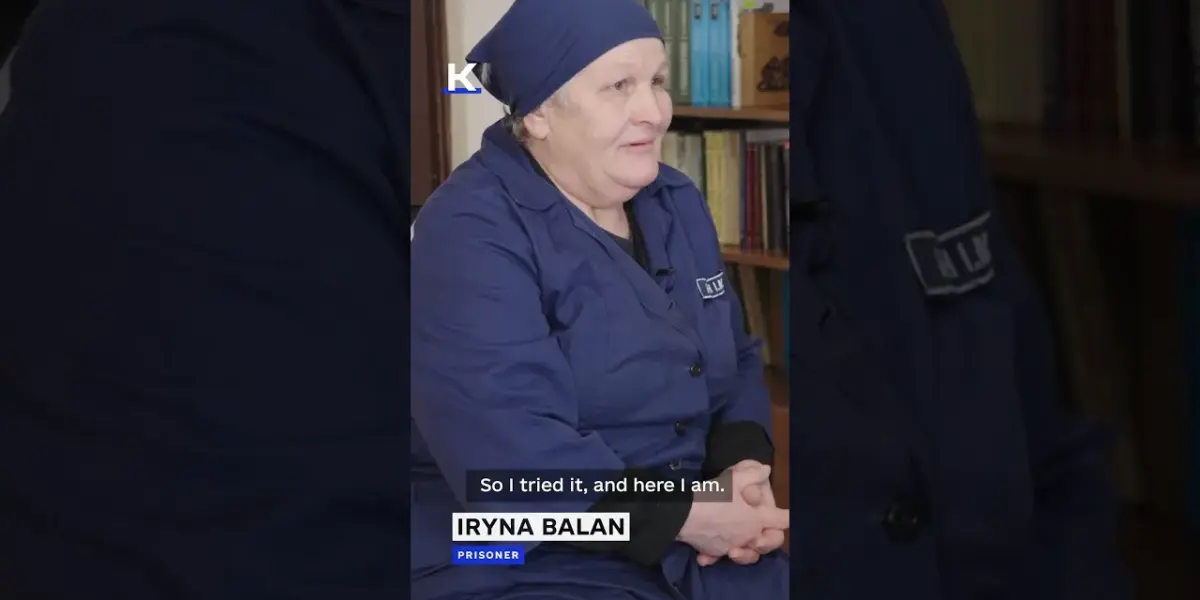
In the Kherson region of Ukraine, a special facility is holding women accused of collaborating with Russian forces during the occupation. These individuals, many of whom claim their involvement was minimal or coerced, now face the consequences of their actions as Ukraine reasserts control and seeks accountability. The women’s testimonies reveal a complex picture of life under occupation, where survival often dictated difficult choices.
The Accusations: What Constitutes Collaboration?
The women detained are primarily accused of participating in the so-called “referendum” organized by Russian authorities in September 2022. This vote, which Ukraine and the international community deemed illegitimate, was part of Russia’s efforts to annex the occupied territories. According to the detained women, their roles often involved distributing newspapers and questionnaires, going door-to-door to survey residents’ opinions on joining Russia, or assisting at polling stations for a single day.
One woman recounted how she initially responded to an advertisement, seeking opportunities. “Newspapers were handed out, there were announcements. I thought, well, I’ll try it, what is it like, what is it. Well, that’s what I tried, and ended up here,” she stated, her voice tinged with regret. Her involvement, she claims, was limited to distributing materials and later, participating in surveys.
Limited Involvement or Active Support?
The line between passive participation and active collaboration is a central theme in the women’s accounts. Many insist their actions were driven by a desire to navigate the occupation safely or were a result of limited opportunities. “We went door-to-door, we asked questions, we had questionnaires, or rather, sample sheets, yes or no. Do you want Kherson region to be part of… there, there,” another woman explained, detailing the survey process.
She further elaborated on the extent of her participation: “Then we were at the polling station for one day, and that was it, all activity was over.” This suggests a brief and perhaps unenthusiastic engagement, yet it was enough to place them under scrutiny by Ukrainian authorities upon liberation.
Financial Compensation and Coercion
The question of payment for these activities is also contentious. While some women denied receiving payment, others alluded to official compensation. “Were you paid for this?” a voice asked in the transcript. The response was evasive: “I won’t say it was on a volunteer basis. But people were paid. I won’t say. Everything was paid officially, everything was done officially. They paid.” This suggests that while the activities might have been framed as volunteer work or community engagement, there was an underlying financial incentive, at least for some.
The context of occupation often involves a degree of coercion, where refusal could lead to repercussions. While the transcript doesn’t explicitly detail threats, the power imbalance between occupying forces and civilians is undeniable. For many, participating in such activities might have been seen as a way to avoid drawing unwanted attention or to ensure basic necessities were met.
Broader Implications for Accountability
The detention of these women highlights the complex challenges Ukraine faces in dealing with collaboration in occupied territories. Establishing guilt requires careful consideration of individual circumstances, the degree of involvement, and the presence of coercion. Ukraine’s legal framework for addressing collaboration is being tested, balancing the need for justice with the realities of life under occupation.
The cases underscore the difficulty in drawing clear lines. Were these women acting out of genuine support for Russia, or were they simply trying to survive a brutal occupation? The answers are likely varied and nuanced, reflecting the diverse experiences of civilians caught in a conflict zone. International human rights standards emphasize the importance of due process and fair trials, especially in cases involving alleged collaboration.
Looking Ahead: Justice and Reconciliation
As Ukraine continues to reclaim its territory, the legal and societal ramifications of collaboration will remain a significant issue. The outcomes for these women, and others accused of similar offenses, will set precedents for how Ukraine handles accountability in the post-occupation era. The focus will likely remain on ensuring justice is served while also considering the potential for reconciliation in communities deeply affected by the conflict and occupation.
Source: Inside a Ukrainian prison for women who sided with Russia (YouTube)

Related Articles


Trump Halts Iran Strikes Amid Stalled Diplomacy
President Trump announced a pause on planned strikes against Iran, citing productive talks, though Iran denies negotiations occurred. Reports also suggest a potential U.S. ground operation on Iran's Hark Island. The situation raises concerns about international support for Ukraine and potential shifts in U.S. foreign policy.

G7 Allies Clash Over Iran War Strategy, Urge Focus on Russia
G7 foreign ministers met in Paris, revealing deep divisions over the U.S. war with Iran. European allies urged the U.S. to pressure Russia, linking its actions to the conflict and fearing support for Ukraine will wane.

Ukraine’s New Strategy Cripples Russian Oil Exports
Ukraine's new multi-layered strategy is rapidly disabling Russia's oil export capabilities. By attacking loading facilities and working with allies to intercept the "shadow fleet," Ukraine is significantly reducing Russia's oil revenues, even amidst rising global energy prices.