Ukraine Hits Russian Oil, Pentagon Eyes Aid Shift
Ukraine's strikes are crippling Russian oil exports, with 40% of capacity offline. Meanwhile, the Pentagon may shift air defense aid to the Middle East. Ukraine is countering by deepening ties with Saudi Arabia and other Gulf nations, leveraging its combat experience.

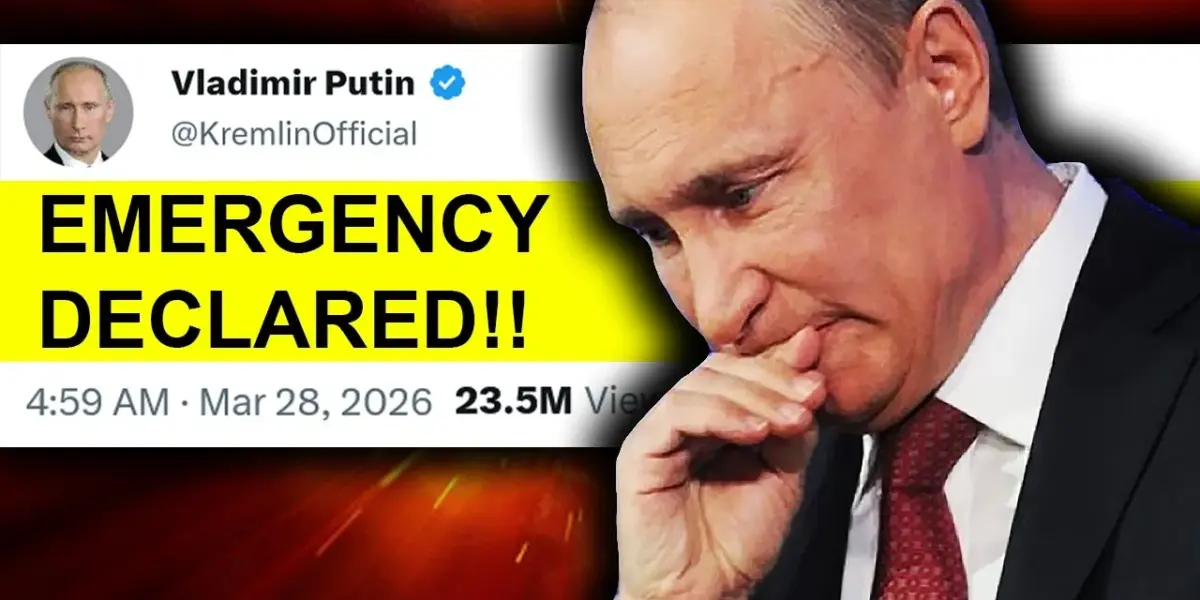
Ukraine Strikes Cripple Russian Oil Exports, Pentagon Rethinks Aid
Recent developments indicate a complex and multi-layered struggle in the Russia-Ukraine war. While Russia continues offensive operations, its ability to achieve significant breakthroughs appears limited. Simultaneously, Ukraine is escalating pressure on Russia’s vital oil infrastructure, causing substantial export disruptions. This comes as the Pentagon reportedly considers redirecting some air defense supplies from Ukraine to the Middle East, prompting concern in Kyiv and highlighting Ukraine’s efforts to forge new security partnerships.
Russia’s Advance Stalls Against Ukraine’s ‘Fortress Belt’
Despite ongoing Russian military actions, analysts suggest Russia is unlikely to overcome Ukraine’s key defensive lines, known as the ‘Fortress Belt,’ in the Donetsk region by 2026. The Institute for the Study of War (ISW) assesses that even intensified Russian offensives may fall short of the strategic gains Moscow desires if this defensive architecture holds. This suggests that while Russia can increase pressure, shift forces, and employ tactics like glide bombs, its ability to achieve a decisive breakthrough remains uncertain. This strategic ceiling for Russian ground operations likely explains the increased focus on other areas, such as economic pressure and diplomatic maneuvering.
Conflicting Claims Highlight Fluid Frontlines
The battlefield remains active, with both Moscow and Kyiv reporting gains in different locations. Russia’s Defense Ministry claimed the capture of Sheviakivka in the Kharkiv region, while Ukraine’s 95th Separate Assault Brigade stated they retook Berezove in the Dnipropetrovsk region. These claims, which could not be independently verified by Reuters, illustrate the fluid nature of the conflict. Ukraine’s 95th Separate Assault Brigade also reported regaining approximately 440 square kilometers and liberating nine settlements in the Oleksandrivka sector over two months, with significant Russian personnel losses cited. These localized counterattacks demonstrate Ukraine’s continued capability to contest ground and shape the narrative, preventing the frontlines from appearing solely one-directional.
Ukraine’s “Own Sanctions” Target Russian Oil Infrastructure
Ukraine has intensified its long-range strikes against Russian energy infrastructure, a move President Volodymyr Zelenskyy described as applying Ukraine’s own form of “sanctions.” This strategy aims to compensate for perceived easing of international sanctions pressure. According to Reuters, approximately 40% of Russia’s oil export capacity is currently inactive due to attacks on ports, damage to pipelines, and tanker seizures. Facilities like the Ust-Luga and Primorsk oil terminals have experienced significant disruptions, with operations halted or partially resumed. The damage extends to major refineries, potentially forcing reductions in crude processing. This sustained pressure on Russia’s oil export and refining logistics has significant implications for the Kremlin’s war financing.
Pentagon Considers Shifting Air Defense Aid Amidst Escalating Attacks
Adding another layer of complexity, the Pentagon is reportedly considering reallocating air defense interceptor missiles intended for Ukraine to the Middle East. This consideration comes at a time when Ukraine faces intense aerial assaults, including nearly 1,000 attack drones launched by Russia over a 24-hour period between March 23 and March 24. While NATO officials have offered reassurances, Ukrainian officials have expressed concern about potential impacts on their defense capabilities. This situation raises questions about the long-term reliability of Western support and forces Kyiv to consider future contingencies. The targeting of a shadow fleet tanker, the Altura, in the Black Sea further underscores the challenges to Russian energy exports and the expanding scope of Ukrainian operations.
Ukraine Seeks New Partnerships in the Middle East
In response to potential shifts in Western support and ongoing regional threats, Ukraine is actively seeking to expand its security partnerships. President Zelenskyy signed a defense cooperation agreement with Saudi Arabia, laying the groundwork for future contracts and technological collaboration. Ukraine has deployed experts to the Middle East to assist in countering drone attacks, leveraging its extensive experience in air defense and drone interception. This move positions Ukraine not just as a recipient of aid, but as a provider of expertise in a region facing similar threats. Ukraine is also finalizing security agreements with other Middle Eastern countries, including the UAE and Qatar, focusing on unmanned technologies and military cooperation. This diplomatic push aims to build a broader security network beyond traditional Western alliances.
Russia Relies on Elite for War Financing
Reports suggest that Russia’s financial position is becoming increasingly strained, prompting reliance on its wealthy elite to help fund the prolonged conflict. While the Kremlin denies pressuring oligarchs, it has confirmed that a significant voluntary donation was offered and welcomed. Billionaire Suleiman Kerimov reportedly pledged 100 billion rubles (approximately $1.23 billion). This situation highlights Russia’s budget deficit and economic slowdown, even with potential temporary gains from higher oil prices. The need for such contributions, whether voluntary or indirectly encouraged, signals that the costs of the war are being felt at the highest levels of Russian society, impacting elite-political stability.
Strategic Implications
The confluence of these events suggests a critical juncture in the war. Russia’s inability to achieve a swift breakthrough on the frontlines, coupled with Ukraine’s successful disruption of its oil revenue, puts significant economic and military pressure on Moscow. The potential reallocation of U.S. air defense assets introduces uncertainty for Ukraine, driving its efforts to diversify international support. Ukraine’s strategic engagement with Middle Eastern nations offers a potential avenue for sustained assistance and technological exchange. Meanwhile, Russia’s reliance on its elite for funding underscores the financial strain of a protracted conflict. The war is increasingly becoming a contest of endurance, with both sides seeking to leverage economic and diplomatic tools alongside military actions.
Source: Putin Declares NATIONWIDE EMERGENCY. (YouTube)

Related Articles
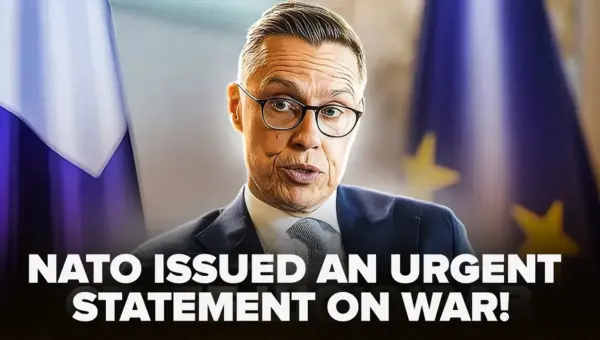
Ukraine Strikes Russian Oil Refinery, Eyes Iran Threat
Ukrainian forces struck a key Russian oil refinery, disrupting Moscow's war capabilities. Meanwhile, Finland's president urged continued U.S. support for Ukraine, as Kyiv shares its air defense expertise globally amid growing geopolitical complexities involving Iran and potential sanctions against Hungary.
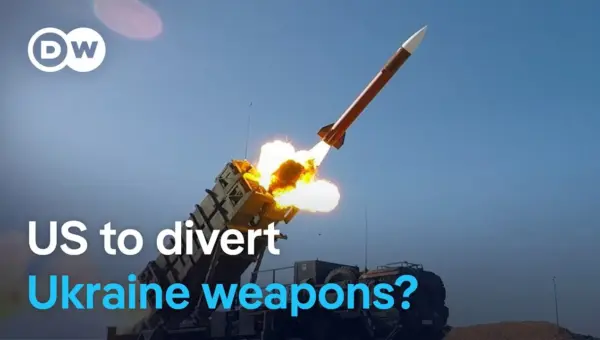
US Weighs Shifting Ukraine Weapons to Iran Amid Missile Shortage
The U.S. is reportedly considering diverting weapons destined for Ukraine to support operations against Iran, driven by rapidly depleted missile stocks. This potential shift raises concerns about Ukraine's defense capabilities and highlights the complex interplay between global conflicts.
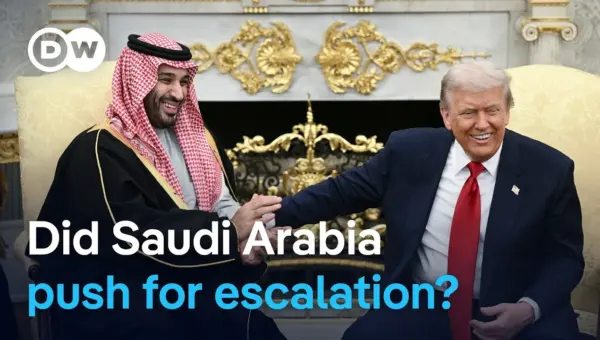
Saudi Arabia Pushes US for Iran War, Report Claims
Saudi Arabia's Crown Prince Mohammed bin Salman has reportedly urged the US to escalate military action against Iran, viewing it as an opportunity to reshape the Middle East. While Saudi officials deny the report, the push comes amid increased Iranian attacks on Saudi oil infrastructure. Experts suggest a complex dynamic where Saudi Arabia seeks US intervention while also managing the risks of regional instability.