Ukraine Gains Ground as Russia Relocates Missile Plants
Ukrainian forces are achieving tactical breakthroughs, bolstered by new drone technology, creating the most favorable conditions in ten months. Russia is responding by relocating vital missile production facilities eastward and facing internal disruptions. Meanwhile, Germany is introducing new military service travel restrictions, and geopolitical shifts could impact NATO's future.

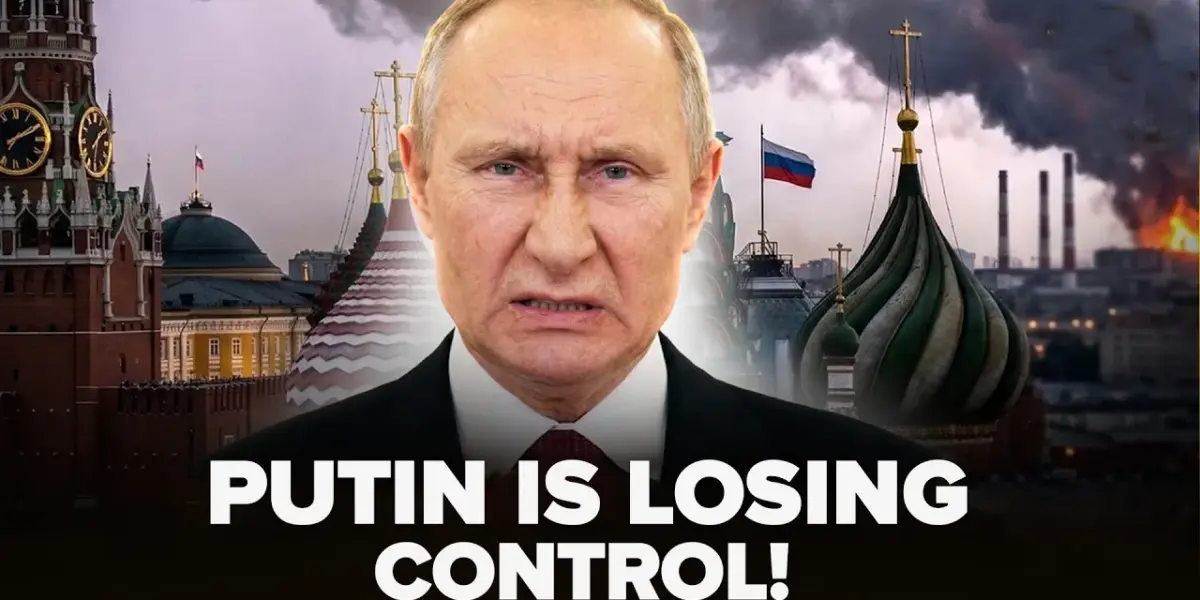
Ukraine Advances on Front Lines, Russia Moves Key Industries
Ukrainian forces are making significant gains on the battlefield, marking the most favorable situation in the past ten months. New technologies, particularly drones, are enabling tactical breakthroughs and forcing Russian troops to adapt. Counterattacks in the south have put Russia on the defensive, leading to the relocation of missile production facilities eastward into Siberia and the Ural Mountains to protect them from Ukrainian strikes. Meanwhile, internal disruptions are spreading within Russia, including VPN blocks and payment system failures, complicating daily life for citizens.
Favorable Conditions Emerge for Ukraine
According to the Institute for the Study of War, Ukraine is achieving advances at multiple levels of the conflict. These gains are strengthening their control along the front lines and improving defensive capabilities. Ukrainian President Zelenskyy stated that the current front-line conditions are the best the country has seen in ten months. This improvement is partly due to changing weather patterns. Previously, poor visibility helped Russian forces conduct attacks undetected, but sunny spring weather now reduces their ability to operate covertly. This shift is significantly impacting Ukraine’s tactical operations.
Russian Forces Under Pressure
In late January, Ukrainian forces achieved key tactical successes in the south. This triggered a ripple effect across the front lines. Russian troops now face difficult choices, needing to defend against Ukrainian counterattacks while also redeploying resources to other areas. Military analysts believe these Ukrainian actions may have disrupted Russia’s plans for a potential spring or summer offensive. Despite Russian narratives suggesting a collapsing Ukrainian front, evidence suggests Ukraine remains resilient. The increasing use of drones provides Ukraine with crucial tactical advantages. Experts predict these advantages could lead to significant long-term operational and strategic effects.
Missile Production Moves Eastward
As Ukraine conducts strikes deeper into Russian territory, Moscow has begun moving its missile production facilities. These facilities are being relocated as far east as Siberia and the Ural Mountains. Roscosmos, a state corporation involved in space flight and defense, is shifting manufacturing from Khimki, near Moscow, to Omsk in Siberia and Perm in the Urals. This move affects the production of various missile systems. Notably, Roscosmos also moved the development of its Angara launch vehicles from Moscow to its Omsk branch earlier this year. Missile engines are reportedly being produced in Perm. The corporation is involved with the RS-28 Sarmat, an intercontinental ballistic missile with nuclear capabilities. Despite being promoted as a highly capable weapon, the Sarmat has experienced multiple test failures, including one incident that produced a notable purple smoke cloud near Orenburg.
Strategic Relocation
While Roscosmos cites high operational costs for these relocations, analysts believe the move is a direct response to Ukraine’s growing long-range strike capabilities. Russian officials have acknowledged that no region within Russia is entirely safe from attacks. Security officials have warned of risks extending to the Ural Mountains and beyond. The Kremlin has admitted that protecting all critical infrastructure nationwide is impossible.
Internal Disruptions in Russia
Russia is also facing internal challenges. Attempts to block Virtual Private Networks (VPNs) have led to widespread disruptions in the country’s payment systems. The founder of Telegram reported that restrictions on VPN access caused significant chaos in financial services. This has affected many citizens, with incidents like the Moscow metro temporarily allowing passengers to pass through turnstiles without payment. A regional zoo even requested visitors to pay in cash. These internet restrictions could potentially isolate Russia from the global network, giving the Kremlin greater control over its domestic internet.
Germany’s New Military Service Rules
In Germany, new regulations are being implemented regarding military service. Starting in 2026, men aged 17 to 45 will require a special permit to travel abroad for more than three months. This requirement, part of the military service modernization act, aims to update and maintain military registries. The permit is needed regardless of the reason for travel, whether for study, work, or leisure. These rules, previously applied only during heightened security threats or states of defense, will now apply during peacetime. The German Ministry of Defense confirmed the changes, stating they are necessary for registry updates and to track citizens who might be abroad in case of an emergency. The ministry acknowledged the significant consequences these new rules will have and is developing detailed regulations, including potential exemptions to minimize bureaucracy.
Broader Military Reforms
The law is part of a larger effort to expand the German armed forces, the Bundeswehr, from approximately 184,000 to 255,000-270,000 personnel by 2035. Young men born in 2008 or later will receive questionnaires about their willingness to serve, with completion being mandatory for men and voluntary for women. Medical examinations will begin in 2026 for those who volunteer. A broader conscription mechanism for all men is planned for the future, though the principle of volunteer service will remain. For many German men, the practical application and potential penalties for violating the new travel permit requirement remain unclear.
Geopolitical Tensions and NATO Dynamics
Potential shifts in U.S. foreign policy could paradoxically strengthen NATO and Ukraine’s relationship with the alliance. Reports suggest that former U.S. President Donald Trump is considering withdrawing the United States from NATO. However, current events might instead foster a renewed commitment to the alliance. Ukraine’s representative to NATO expressed cautious optimism, suggesting that such turmoil could create opportunities for Ukraine’s integration into NATO. Ukraine is currently implementing NATO’s strategic concepts in practice, making it a unique potential partner. Meanwhile, relations between the U.S. and the UK have reportedly worsened. A public incident where Trump reportedly mocked British Prime Minister Keir Starmer has strained ties. This, along with London’s refusal to grant U.S. military bases for potential strikes on Iran, has led to warnings that restoring relations with Trump may be difficult. Some advise strengthening ties with other allies like Canada, Australia, and European countries.
Hungarian Elections and U.S. Involvement
In Hungary, preparations for parliamentary elections are underway. U.S. Vice President J.D. Vance is scheduled to attend a rally hosted by Hungarian Prime Minister Viktor Orbán. This event, timed shortly before the April 12th elections, signals potential U.S. support for Orbán, who is reportedly trailing in polls. Hungarian media have noted a record number of Hungarian citizens abroad planning to vote, which could benefit the opposition. A significant increase in applications to vote outside one’s registered polling place is also expected. These factors suggest that the final election results may not be known on election night, as absentee and out-of-precinct ballots are counted later, potentially delaying final results until April 18th.
Source: 😱Moscow is in disbelief! Putin has summoned all. Russians are on the brink of rebellion (YouTube)

Related Articles

Russia’s Donbas Ultimatum Tests Ukraine’s Resolve
Russia has issued a two-month ultimatum for Ukraine to withdraw troops from Donbas, threatening further action if Kyiv refuses. Experts question Moscow's capability and credibility, highlighting Ukraine's growing drone warfare prowess and the need for sustained military strength. The demand underscores the critical juncture facing Ukraine amidst shifting geopolitical alliances and global economic pressures.

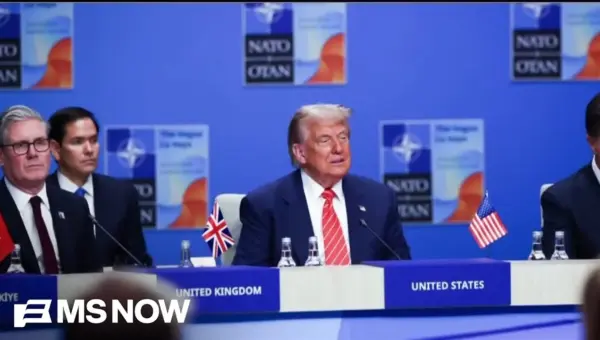
Ex-NATO Envoy: Trump’s Threats Spark Worst Crisis in 77 Years
Former U.S. Ambassador to NATO, Ivo Daalder, warns that President Trump's threats to withdraw from the alliance mark NATO's worst crisis in 77 years. European leaders, including France's Macron, echo concerns about broken trust and the erosion of alliance commitments. The situation raises questions about U.S. reliability and the future of transatlantic security.


Ukraine Drone Unit Needs Wheels for Spring Push
Ukrainian drone units on the front lines urgently need reliable vehicles to support their operations. Organizations like Car for Ukraine are raising funds to provide pickup trucks and vans, essential for mobility and survival in active combat zones.