Ukraine Easter Ceasefire Deemed ‘Act of Theatre,’ Unlikely to Halt Fighting
A 32-hour Orthodox Easter ceasefire in Ukraine is being dismissed as a mere 'act of theatre' with little chance of halting the ongoing conflict. Experts and reporters on the ground express deep skepticism, citing a history of similar symbolic gestures that failed to bring lasting peace and noting continued military activity despite the truce announcement.

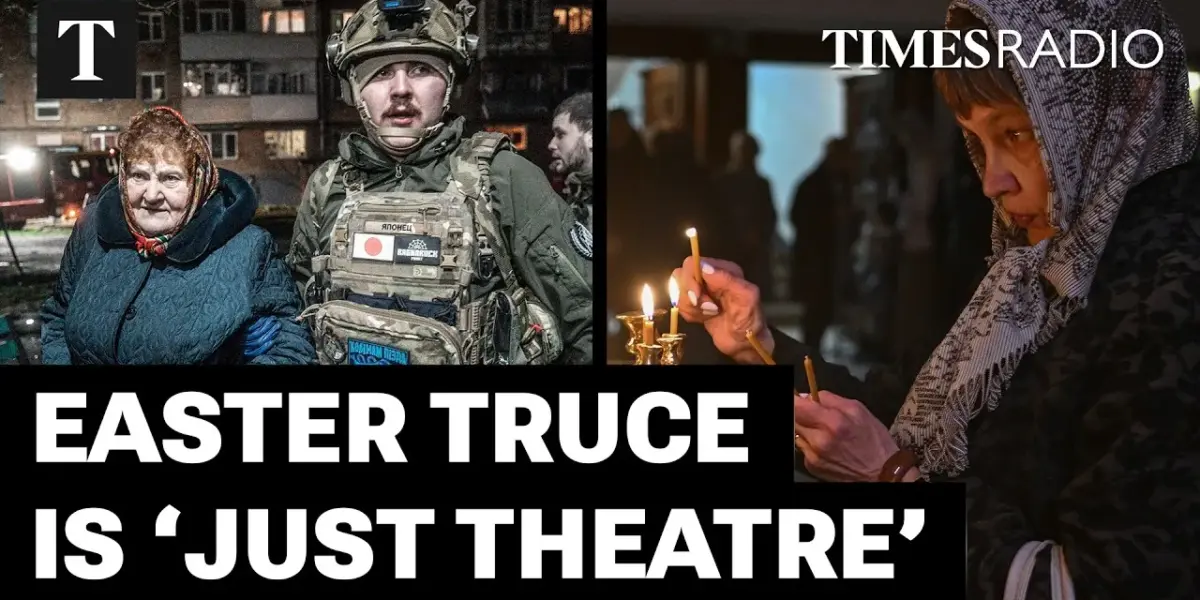
Easter Truce Offers Little Hope for Ukraine Peace
A 32-hour ceasefire proposed for Orthodox Easter in Ukraine has been met with deep skepticism, with experts calling it an “act of theatre” rather than a genuine effort to stop the fighting. The truce, which began on Saturday, was announced by both Russia and Ukraine, each claiming to have initiated it. However, analysts suggest that neither side truly intends for the fighting to cease, highlighting a pattern of symbolic peace gestures that fail to translate into battlefield reality.
Ceasefire: A Familiar Pattern of Broken Promises
For the people of Ukraine, the prospect of an Easter ceasefire holds little significance. Reporter Francis Farrell of the Kyiv Independent, speaking from Budapest, explained that these proposals for holidays like Christmas or Easter have become a recurring event. “Nobody in Ukraine is talking about this ceasefire pretty much,” Farrell stated. He noted that in the past, even when agreements seemed close, the situation on the ground remained unchanged. Russia continued its daily assaults along the front lines, and drones from both sides persisted in targeting military assets.
Russia’s Doubts About Peace Talks
Evidence suggests Russia is not genuinely interested in ending the war. Recent statements from Russia indicated that peace talks are on hold, with demands that Ukraine abandon the Donbas region immediately. This stance contradicts any notion of sincere peace negotiations. Farrell described the current proposals as part of a larger pattern, “more an act of theater rather than a real intention to stop the fighting.” He added that no party wants to be seen as the one directly refusing peace, especially with the United States still holding a slim hope of mediating, despite a lack of success so far.
Anticipation Fails to Slow Attacks
The announcement of the ceasefire did not appear to change the tempo of military activity. Farrell confirmed that there was no noticeable decrease in attacks, either along the front lines or in the form of daily drone strikes. “There’s no reason to believe that this is… caused by any real intent,” he said, dismissing any correlation between a quiet day and the ceasefire’s anticipation.
Zelenskyy’s Proposal and Putin’s Response
President Volodymyr Zelenskyy had reportedly suggested the ceasefire more than once. Russian President Vladimir Putin’s agreement came belatedly, tied to the Orthodox Easter holiday. Farrell believes Zelenskyy’s proposal is linked to Ukraine’s broader peace plan, which calls for an immediate halt to fighting and a 30-day ceasefire as a sign of good faith. Russia has consistently rejected this approach, arguing that lasting peace requires addressing “root causes.” Farrell characterized Putin’s agreement as “another case of almost an act of trolling within the framework of this peace theatre.” He suggested Zelenskyy uses holidays to highlight Russia’s lack of commitment, while Putin agrees to short, limited truces.
The Reality of the Battlefield
Given the constant drone activity and the “gray zone” of ongoing conflict, Farrell expressed strong doubt that the ceasefire would be effective. He anticipates that both sides will claim the other violated the truce, leading to a swift return to hostilities. The underlying issues and Russia’s apparent unwillingness to de-escalate mean that symbolic gestures are unlikely to bring about a genuine pause in the conflict.
Reporter’s Focus on Hungarian Elections
Farrell, who is also half Hungarian, is in Budapest to cover the country’s elections. He plans to closely monitor any potential Russian interference. He noted Russia’s history of undermining democracies and its close relationship with Hungary’s ruling Fidesz party and Prime Minister Viktor Orbán. Despite the Hungarian electoral system being relatively intact and Orbán’s party trailing in the polls, Farrell acknowledged that Orbán has access to Russian resources and expertise. The reporter anticipates a difficult election, with a significant challenge for Russia to influence the outcome, but not an impossible one.
Source: Ukraine War: Easter Ceasefire Is 'An Act Of Theatre’ And Unlikely To Change Fighting (YouTube)

Related Articles
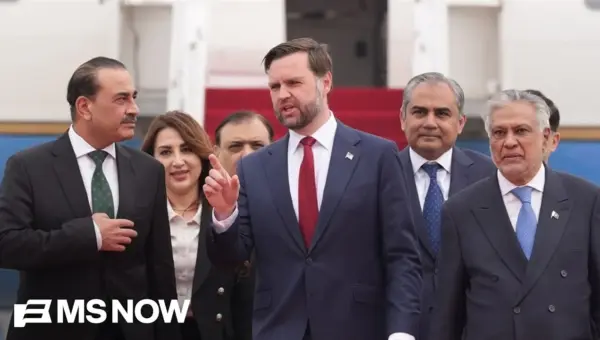
Iran Nuclear Deal Expert Warns Against Quick Deal Expectations
Robert Malley, a key negotiator of the 2015 Iran nuclear deal, warns against expecting a quick or easy resolution in current U.S.-Iran peace talks. He stresses that any agreement will require compromise from both sides, not surrender. Malley suggests the current talks may focus on immediate steps like reopening the Strait of Hormuz and sanctions relief, laying groundwork for future, more comprehensive discussions.

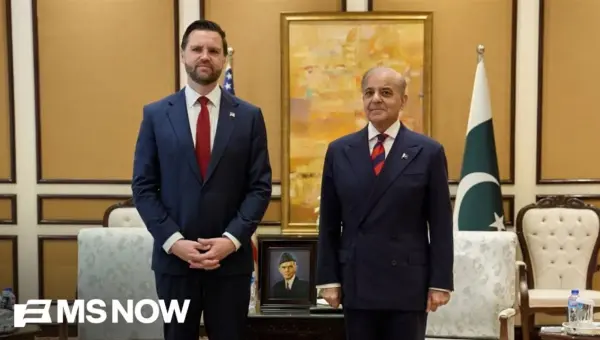
US, Iran Hold Landmark Peace Talks in Pakistan
Top U.S. and Iranian delegations are holding landmark peace talks in Islamabad, Pakistan, mediated by the Pakistani government. This marks the first direct meeting between the two nations in nearly 50 years, with Vice President J.D. Vance leading the U.S. side.
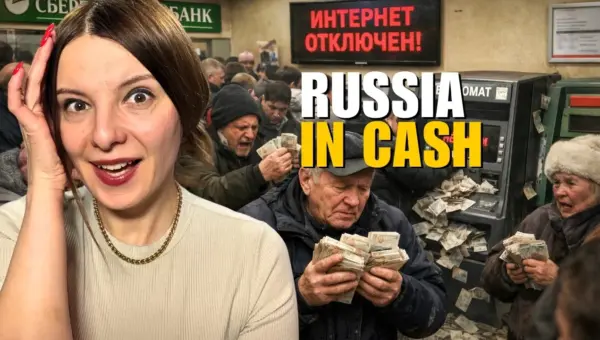
Russia Faces Cash Crunch Amidst Internet Outages
Severe internet shutdowns across Russia have triggered massive cash withdrawals by individuals and businesses. This financial strain highlights growing public anxiety over the economy and banking stability. The crisis underscores the impact of government policies on daily life and presents significant challenges to the current regime.