Ukraine Drones Outmatch Russia’s Air Defenses
Ukraine's drone capabilities have surged, enabling strikes deep within Russia and targeting vital oil infrastructure. This surge challenges Russia's air defenses and economic stability. Meanwhile, geopolitical shifts and internal political dynamics in Western allies create a complex environment for continued Ukrainian support.

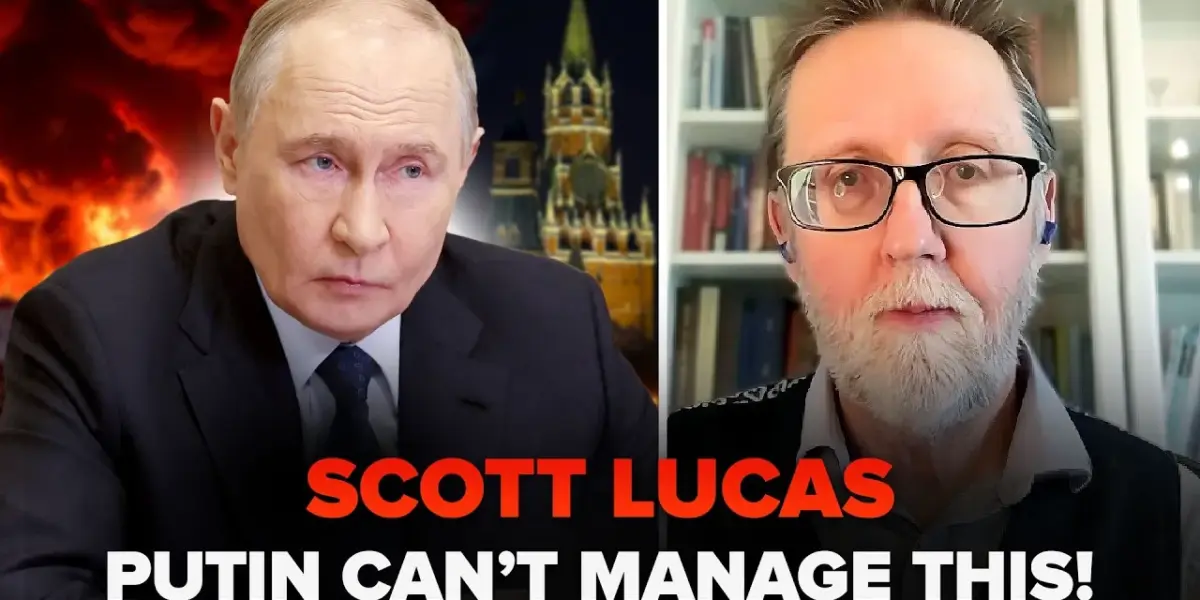
Ukraine Drones Outmatch Russia’s Air Defenses
Ukraine has successfully shifted the balance in drone warfare, launching more unmanned aerial vehicles into Russian territory than Russia has sent into Ukraine. This development marks a significant shift in the conflict, according to reports citing Ukrainian air force and Russian Ministry of Defense data.
Strategic Shift in Drone Warfare
For the first time since the full-scale invasion began, Ukraine is actively targeting Russian ports and energy infrastructure. These strikes are reaching targets over 1,000 kilometers from Ukrainian borders, deep within Russia. This increased range and frequency suggest a growing effectiveness of Ukrainian drone technology and a potential strain on Russia’s air defense systems.
Targeting Russia’s Economic Lifeline
The focus of these drone attacks appears to be on facilities that support Russia’s invasion. Notably, oil terminals at ports like Ust-Luga and Primorsk have been targeted. Attacks on Novorossiysk in the Black Sea region have also been reported. These strikes have the potential to disrupt a significant portion of Russia’s maritime oil exports, impacting the funds needed to sustain the war effort.
Reports indicate that operations at Ust-Luga have been suspended following multiple attacks. Similarly, Primorsk has seen operations halted. Combined, these ports account for a substantial percentage of Russia’s maritime oil exports. This concentrated effort on choking off oil revenues highlights a key Ukrainian strategy to weaken Russia’s war-fighting capacity.
Stretched Russian Air Defenses
The geographic spread of Ukraine’s drone and missile attacks is forcing Russia to defend a much larger area. This extended defensive perimeter appears to be stretching Russia’s air defense resources thin. Even targets considered high-priority, like those in the oil industry, seem to be inadequately protected, as evidenced by repeated successful strikes.
The effectiveness of these attacks has led to notable consequences for Russia. The country has reportedly banned exports of gasoline and petrol. This measure may be partly due to shifts in the energy market caused by the Middle East conflict, but it also suggests a need to prioritize domestic supply due to reduced availability. This situation could further exacerbate Russia’s revenue losses, as oil revenues were already reported to be down significantly in early 2024.
Geopolitical Undercurrents and Partner Hesitation
While Ukraine intensifies its drone operations, there are indications of hesitation from some Western partners. Ukrainian President Volodymyr Zelensky has noted signals from allies expressing concern about market instability caused by these attacks. This suggests a delicate balancing act for Ukraine, as it seeks to disrupt Russia’s economy while managing the concerns of its supporters.
The transcript suggests that this hesitation may be linked to political dynamics within the United States, particularly concerning the impact of oil prices on American voters. Some factions within the U.S. may be urging Ukraine to ease attacks on Russian energy infrastructure to prevent further oil price spikes. However, the report also suggests that Ukraine may not be entirely reliant on U.S. approval for its operations, potentially finding support from other European partners.
Putin’s Unmet Objectives and Strategic Failure
The article also touches upon the broader strategic goals of Russia’s invasion. Experts suggest that Vladimir Putin’s objective was to secure control over the entire Donbas region. Despite significant casualties, Russia has made minimal territorial gains in recent months, with a notable loss of territory in March. This slowdown in advances and failure to capture key areas like the remaining 20-25% of Donetsk suggests a strategic failure to achieve core objectives.
The idea of returning Russian speakers and Russian territory to the motherland appears to be a symbolic, albeit costly, ambition. If Russia cannot secure the entirety of the Donbas, it raises questions about what has been achieved for the immense human and material cost of the conflict. This strategic impasse highlights the resilience of Ukrainian defenses and the limitations of Russia’s current military capabilities.
Broader Geopolitical Realignment
The discussion also expands to wider geopolitical shifts, including the conflict in the Middle East and its impact on global alliances. The potential for a realignment of power, with nations like China and European countries reassessing their positions, is noted. The article also touches upon the internal politics of NATO and the European Union, suggesting a fracturing of traditional alliances and a rise in nationalist movements that could undermine support for Ukraine.
The role of figures like JD Vance and Viktor Orbán is highlighted as potentially working against European unity and Ukrainian security. Their focus on undermining the European Union, rather than Russia, is presented as a significant threat. This complex geopolitical landscape underscores the challenges Ukraine faces, not only on the battlefield but also in maintaining international support amidst shifting global priorities.
Source: Putin FAILED—not a single objective ACHIEVED! Ukraine’s drones OVERWHELMED Russia @WorldatStake24 (YouTube)

Related Articles

Russia-Iran Alliance Fuels Ukraine War
Russia and Iran have significantly deepened their military cooperation, with Iran supplying drone technology to Moscow in exchange for crucial financial aid. This partnership fuels Russia's war in Ukraine and empowers Iran's regional ambitions, including ballistic missile development.
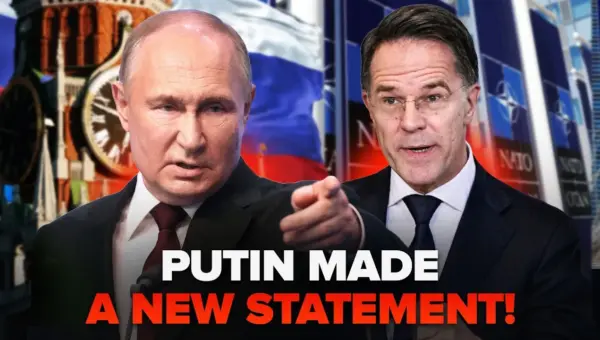
Putin Declares Easter Ceasefire; Ukraine Demands Reciprocity
Russia declared a unilateral Easter ceasefire, but Ukraine demanded reciprocity, emphasizing that any pause must be mutual. President Zelenskyy warned of catastrophic losses if Russia attempts to fully occupy Donbas. Meanwhile, Russia continues to patrol maritime routes and tighten internet controls, while the UK reinforces Middle Eastern defenses and tracks Russian submarine activity.
Ukraine Shoots Iranian Drones in Middle East: A Bold New Strategy
Ukrainian forces are now shooting down Iranian drones in the Middle East as part of a security exchange. President Zelensky revealed this strategy, which aims to secure aid and resources for Ukraine's defense. The move highlights Ukraine's active role in global security.