Ukraine Deploys Drone Experts to Mideast Defense
Ukraine is deploying 21 military experts to the Middle East to help countries defend against Iranian drone attacks. The specialists are already working in the UAE, Qatar, and Saudi Arabia, with more on the way. This move shares Ukraine's hard-won expertise in countering drone warfare.

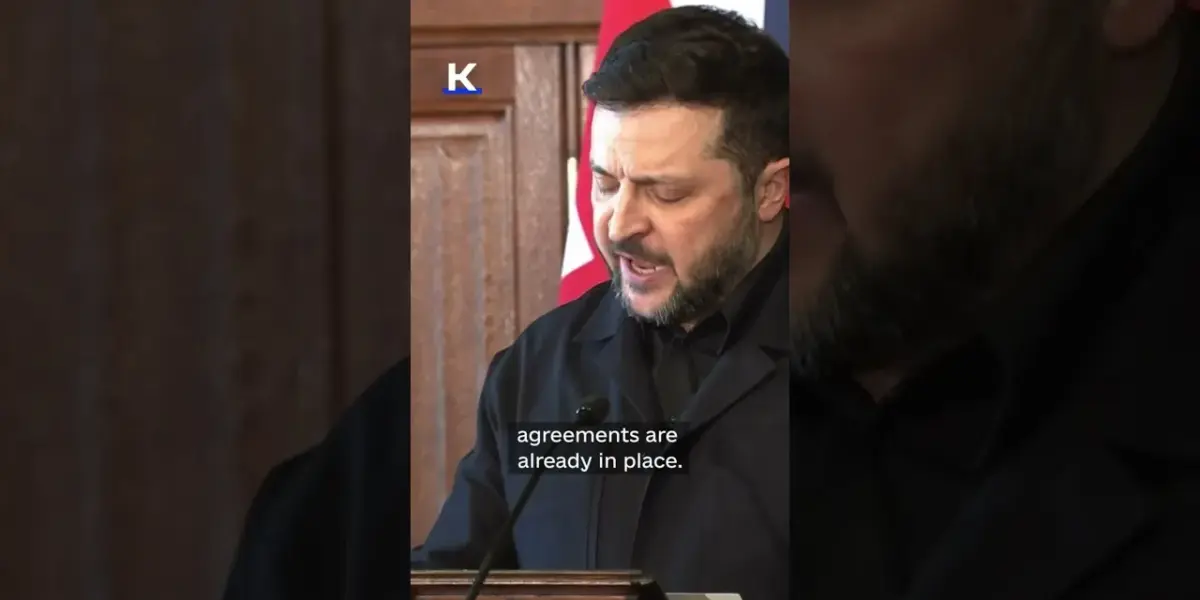
Ukraine Sends Drone Experts to Mideast
Ukraine is sending military experts to the Middle East to help counter drone attacks. Currently, 21 Ukrainian specialists are working in the region, with another 34 ready to deploy. These experts are trained to defend against Iranian-made Shahed drones. This initiative highlights Ukraine’s commitment to fighting what it calls “regime terror” and preventing the spread of drone warfare.
Regional Support and Agreements
Ukrainian teams are already operating in the United Arab Emirates, Qatar, and Saudi Arabia. They are also on their way to Kuwait. Ukraine is working with several other countries in the region to establish these defense partnerships. Agreements are being finalized, showing a growing international effort to address the threat of drone attacks. Ukraine stated its goal is to stop the Iranian regime’s attacks on its neighbors.
Ukraine’s Experience with Aggression
The deployment reflects Ukraine’s own experience with sustained aggression. Ukraine noted its history of peaceful coexistence with Russia, which has led to two invasions in the past decade. This experience shapes Ukraine’s understanding of the threat posed by regimes seeking to destabilize their neighbors. The country views the current situation in the Middle East through this lens.
The Growing Threat of Drones
The article points to a concerning trend in modern warfare: the increasing use of cheap, long-distance weapons. Drones, often enhanced with artificial intelligence (AI), offer a new way for regimes to project power and inflict damage. These weapons can be used simply because a regime wishes to destroy another nation. Furthermore, such regimes may force their own citizens to contribute to these war efforts. This development presents a significant challenge for global security.
Strategic Implications
This deployment is significant because it represents a new front in Ukraine’s efforts to counter Russian aggression and its allies. By sharing its expertise, Ukraine aims to build a coalition against drone proliferation. This also serves to weaken Iran’s regional influence, which is often linked to supporting groups that use drones in conflicts. For the Middle East, it means enhanced defensive capabilities against a growing threat. The presence of Ukrainian experts could bolster regional security and deter future attacks. This cooperation also strengthens diplomatic ties between Ukraine and Middle Eastern nations.
Historical Parallels
The use of drones in modern conflicts echoes earlier technological shifts in warfare. Just as the introduction of aircraft and tanks changed battlefield dynamics in the early 20th century, drones are now altering how wars are fought. The ability to strike distant targets with precision and at a relatively low cost presents a strategic challenge. Nations must adapt their defenses to counter these evolving threats, much like they did with previous military innovations.
Understanding Shahed Drones
The Shahed drones mentioned are Iranian-made unmanned aerial vehicles. They are often described as “kamikaze” or suicide drones. This means they are designed to crash into a target and explode. They can be used for reconnaissance or to carry a warhead. Their relatively low cost and long range make them a popular choice for various military actors seeking to attack targets without risking pilots or expensive aircraft. Ukraine has extensive experience in countering these specific drones, having faced numerous attacks themselves.
Geopolitical Impact
Ukraine’s involvement in the Middle East extends its geopolitical reach. It demonstrates that Ukraine is not just a victim of aggression but also a security partner. This can strengthen its international standing and support for its own defense. For the Middle East, it signals a potential shift in regional security dynamics. It may encourage further cooperation among countries facing similar threats. This could lead to a more unified regional response to security challenges, potentially impacting broader international relations.
Source: 201 Ukrainians now in Middle East helping counter Iranian drone attacks (YouTube)

Related Articles

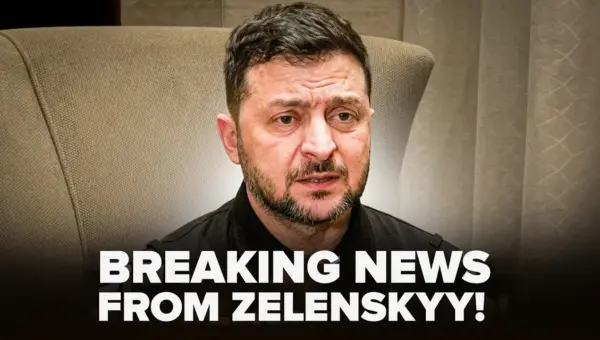
Ukraine Offers Air Defense Aid in Exchange for Weapons
Ukraine is offering its advanced air defense system knowledge to Middle Eastern countries in exchange for Western weapons like Patriot missiles. President Zelenskyy highlighted the region's vulnerability to drone and missile attacks and Ukraine's unique expertise in countering them. The move aims to secure vital military aid while sharing valuable defensive experience.
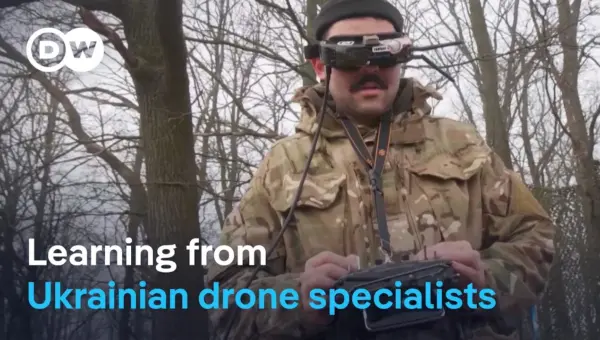
Ukraine War Experts Train British Army in Drone Warfare
Ukrainian soldiers, masters of drone warfare, are sharing their battlefield expertise with the British Army in a secret training program. This exchange offers invaluable insights into the realities of modern conflict, particularly the extensive use of drones. The initiative also includes innovative uses of 3D printing for drone production.

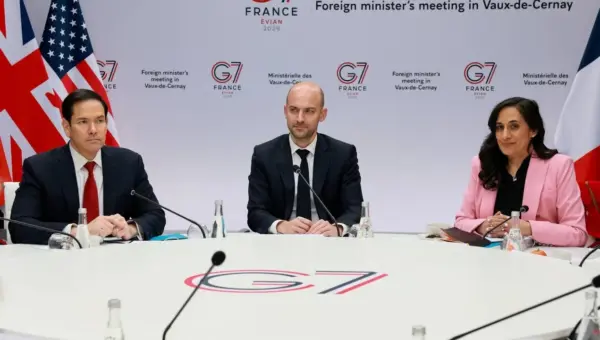
Rubio Puts US First at G7 Summit, Sparks Debate
Secretary of State Marco Rubio attended the G7 summit in France, emphasizing his commitment to serving the American people above all else. The meeting addressed the war in Iran and Russia's role, revealing differing approaches among allies on regional security and the Strait of Hormuz.