Ukraine Claims Record Russian Casualties in January Amidst Evolving Drone Warfare
Ukraine claims a significant strategic victory in January, asserting that its forces eliminated more Russian soldiers than Russia was able to recruit, marking only the second time this has occurred since the 2022 invasion. This unprecedented attrition, fueled by extensive drone operations, unfolded amidst severe winter conditions and suggests a potential shift in Russian drone strategy towards prioritizing human targets, mirroring Ukraine's approach.

Ukraine Claims Record Russian Casualties in January Amidst Evolving Drone Warfare
Kyiv has reported a significant blow to Russia’s military strength in January, claiming that Ukrainian forces eliminated more Russian soldiers than Moscow was able to recruit. This marks only the second time such a demographic shift has occurred since the full-scale invasion began in February 2022, and notably, it transpired during a month characterized by fewer and smaller Russian assaults. The figures, if independently verified, could signal a critical turning point in the conflict, particularly as warmer weather is expected to increase operational tempo in the coming months.
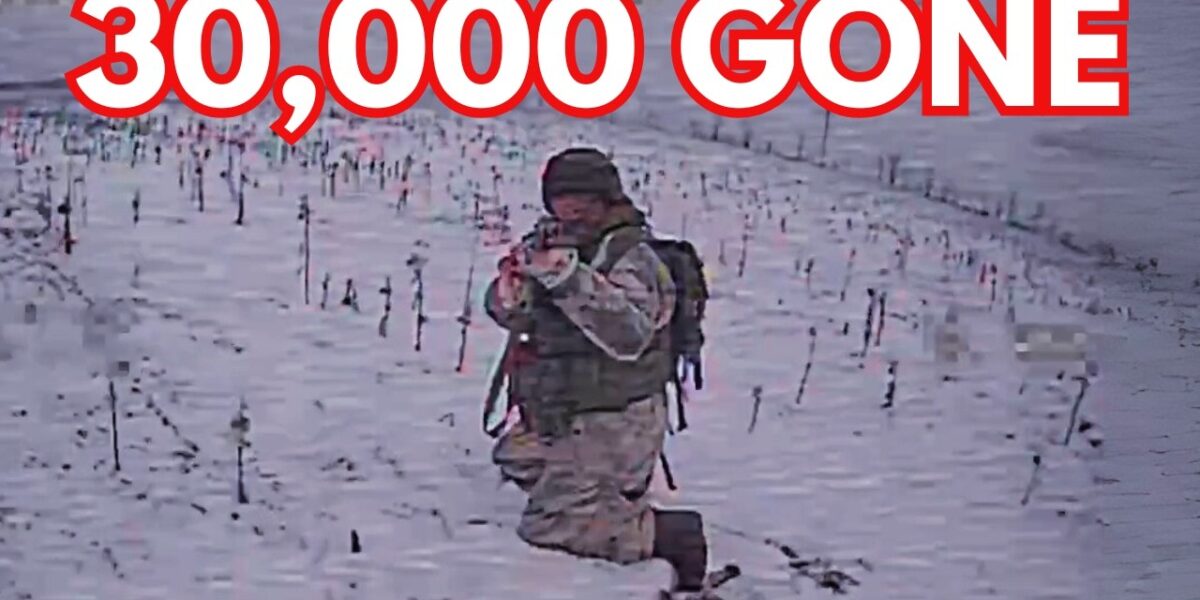
According to a statement from Ukraine’s Unmanned Systems Forces, the "balance of occupiers for January is negative." They assert that approximately 22,000 Russians were mobilized or contracted into the military during January, while a staggering 30,618 were "verified as being killed on camera by UAV units of the Ukrainian Defense Forces." This stark contrast suggests a substantial net reduction in Russia’s active fighting force for the month.
The "Army of Drones" and Verification Protocol
Ukraine’s ability to track and verify these numbers is rooted in its sophisticated "Army of Drones" program and an intricate point system. This system awards points to various units based on their effectiveness in eliminating Russian soldiers and military equipment. A crucial component of this protocol is the requirement for objective battle damage assessments. To accumulate points and verify results, Ukrainian units must submit video evidence, often captured by a secondary drone, confirming the successful outcome of a strike. This "objective control" ensures that claims of destroyed tanks, damaged vehicles, and enemy personnel killed or wounded are supported by visual proof, even if only a fraction of this extensive footage is ever released publicly.
The sheer volume of drone operations underscores the challenge of comprehensive public verification. In January alone, a single Ukrainian drone unit reportedly flew 140,000 combat missions. One of the top units, Madar Birds, averaged 4,500 missions per day, translating to three missions per minute, non-stop. These missions range from reconnaissance and bombing runs to one-way interceptors and FPV (First Person View) kamikaze drones targeting Russian positions and equipment. Despite this immense activity, publicly available reports and analyses, such as those diligently compiled by researcher Andrew Perveta, often show lower verified kill counts (e.g., 5,957 in January from publicly available drone footage). This discrepancy highlights the vast difference between the operational reality on the ground and what the public can observe, emphasizing that "we are just seeing a tiny, tiny, tiny fraction of what is actually happening on the battlefield."
Winter’s Toll: "Suicide Missions" in Sub-Zero Conditions
The reported high casualty figures for January are particularly notable given the severe winter conditions that gripped Ukraine. Sub-zero temperatures, especially at night, have made ground operations incredibly perilous. Russian soldiers, often forced to dismount 5-20 kilometers from the front lines, are reportedly undertaking "suicide missions," moving on foot through open terrain, house-to-house, or trench-to-trench, attempting to infiltrate Ukrainian defenses. Their objectives include establishing forward positions, threatening drone units, and disrupting logistics routes.
However, the brutal cold presents an existential threat. Soldiers must not only evade drones during the day but also find shelter at night without starting fires that would reveal their positions. Many are likely succumbing to cold-weather injuries such as frostbite and hypothermia, deaths that may not always be visually distinguishable as combat kills on camera, yet contribute significantly to the overall attrition. These harsh conditions have also impacted drone operations, with sub-zero temperatures potentially reducing battery life by up to 50%, directly limiting drone range and mission duration. Despite these challenges, the reported 30,000 Russian deaths in January suggest a relentless and effective Ukrainian defense. As the weather improves in the coming months, there is an expectation that "absolutely shocking numbers" of Russian casualties could emerge as operational tempo increases.
The Evolving Doctrine of Drone Warfare: Personnel vs. Equipment
Ukraine’s defense minister has set an ambitious goal of eliminating 50,000 Russian soldiers every month in 2026. While January’s 30,000 figure fell short, it remains a "shocking number" by any measure, and Ukrainian units believe the 50,000 target is achievable with increased focus. This emphasis on eliminating enemy personnel contrasts with Russia’s earlier drone strategy, exemplified by units like Rubicon, which primarily focused on destroying Ukrainian equipment, logistics, and communications infrastructure.
However, recent intelligence suggests a potential shift in Russian doctrine. Robert Maguar, commander of the Ukrainian Unmanned Systems Forces, reported that the General Staff of the Russian Armed Forces might be adopting a similar incentive system to Ukraine’s. An alleged order indicates a new priority for Russian drone units: "to concentrate their efforts on the destruction of enemy live forces, means of countering unmanned systems and the destruction of control points for their UAVs." To motivate personnel, a payment of 25,000 rubles (approximately $325 USD) is reportedly being offered for "every FPV strike that leads to the destruction of one enemy serviceman, provided there is objective control of the hit from another UAV." This mirrors Ukraine’s own verification system and, if implemented, signifies a crucial adaptation in Russia’s approach to drone warfare, prioritizing human attrition over equipment.
Strikes Beyond the Frontlines: Infrastructure and Air Defenses
Beyond the immediate front lines, both sides continue to conduct significant strikes. The Ukrainian GUR’s "Ghosts" unit recently released footage showing successful deep strikes against Russian air defense assets, likely in Crimea. Targets included a Pantsir air defense system, two Tor systems, a Tor transport loading vehicle, and radar complexes like the Nebo M and ProFinick GE. These strikes underscore Ukraine’s ongoing efforts to degrade Russia’s air defense capabilities behind the front.
Conversely, Russia launched a "pretty significant" combined drone and missile attack against Ukrainian energy infrastructure. The Ukrainian Air Force reported tracking 447 total munitions, intercepting 406 (24 out of 39 missiles and 382 out of 408 drones). Russia’s Ministry of Defense claimed the strikes were a response to Ukrainian "terrorist attacks" on civilian infrastructure, targeting "energy and transport infrastructure facilities used for the benefit of the armed forces of Ukraine" and "enterprises of the Ukrainian defense industry that produce attack UAVs." Ukrainian President Volodymyr Zelenskyy confirmed the main targets were power grid generation and distribution substations, stating that "every day Russia could choose real diplomacy but it chooses new strikes." He reiterated the urgent need for more air defense systems like Patriot and NASAMS to protect Ukraine from Moscow’s strategy of "pressure with cold weather." Reports from Russian channels suggest significant damage to power stations across major Ukrainian cities.
Geopolitical Undercurrents: Negotiations and Assassination Attempts
Amidst the ongoing fighting, negotiations remain a complex backdrop. Ukraine has voiced concerns that the United States and Russia might be pursuing "side deals" concerning Ukraine without its direct involvement. President Zelenskyy stated that Ukraine’s delegation conveyed its position that "if there are any bilateral agreements between Russia and the United States, the provisions related to Ukraine cannot contradict the Constitution." He also suggested that the U.S. is pushing for an end to the war before summer, potentially linked to domestic political dynamics ahead of the November 2026 midterm elections. Zelenskyy mentioned intelligence on a "so-called Demetria package" presented in the U.S., described as a "proposed framework for large-scale US-Russia economic cooperation" amounting to an exaggerated "12 trillion" dollars. While the figure itself is deemed unrealistic, the prospect of such discussions creates unease in Kyiv, fearing U.S. pressure for a premature settlement that may not fully align with Ukrainian interests.
Adding another layer of intrigue, an attempted assassination on Russian GRU General Vladimir Alexeev, the first deputy head of Russia’s main intelligence directorate, was reported. An unknown attacker fired shots at his residential building, though the general is reported to be alive and recovering after surgery. Russia’s Foreign Ministry accused Ukraine, which has remained silent on the matter, of being behind the attack. Russian authorities later claimed to have apprehended a suspect in Dubai. This incident, targeting a very senior official, raises questions about internal security within Russia and suggests that Ukraine may continue to pursue leadership figures as a tactic in the ongoing conflict.
Conclusion
The war in Ukraine continues to be defined by its intense human cost, the transformative impact of drone technology, and a complex web of geopolitical maneuvers. Ukraine’s claims of significant Russian personnel losses in January, coupled with Russia’s potential shift in drone strategy to prioritize human targets, underscore the brutal and adapting nature of modern warfare. As both sides brace for intensified fighting with improving weather, the strategic battle for attrition and control of the skies remains paramount, while international diplomatic efforts continue to navigate a path towards an uncertain future.
Source: Russia’s Army Just Got Smaller (YouTube)

Related Articles


Trump: Iran Strikes Ahead of Schedule, Expects ‘Great Deal for World’
Three U.S. service members have been killed amid escalating conflict with Iran, President Trump confirmed. He stated that strikes are ahead of schedule, with senior Iranian leaders killed, and expressed optimism for a "great deal for the world" despite ongoing talks with Iranian officials.


Trump’s Putin Stance: US Strategy and Global Implications
Analysis suggests Donald Trump's approach to the Ukraine war involves pressuring Kyiv, but US involvement is crucial for resolution. China's influence and the 'MAGA' agenda's geopolitical implications are key factors.


US Strikes Iran: Mounk and Fukuyama Discuss Unpredictable Conflict
Leading political scientists Yascha Mounk and Francis Fukuyama analyze the recent US strikes on Iran, warning of unpredictable outcomes and internal instability. They question the objectives of the "war of choice" and its potential to destabilize the region, while also discussing the shifting global perceptions of Israel.