Ukraine Battles Russian Infiltration Tactics in South
Ukrainian forces in southern Zaporizhzhia Oblast are facing intensified Russian infiltration tactics. Small Russian reconnaissance groups are attempting to bypass defenses using open terrain and drone warfare. Ukraine's 225th Assault Regiment is at the forefront, adapting to these challenges with advanced drone use and modified armored vehicles.


Ukraine Battles Russian Infiltration Tactics in South
In the southern Zaporizhzhia Oblast, Ukrainian forces are engaged in intense fighting to counter Russia’s evolving infiltration tactics. The 225th Assault Regiment, a prominent Ukrainian unit, is operating near Hulyaipole. This area, once relatively quiet, has become a critical front line. Russia has intensified its efforts here, seeking to exploit any weaknesses.
Russia’s Shifting Tactics
Russian forces are employing small reconnaissance groups to probe Ukrainian defenses. These groups attempt to infiltrate the spaces between established positions. They hide in any available cover, often in basements or damaged structures. The goal is to bypass forward defenses and accumulate forces behind enemy lines.
“They are using small reconnaissance groups to get into the gaps between positions, to shove themselves into any holes,” a Ukrainian soldier described. “And then they accumulate there.” This tactic aims to disrupt Ukrainian logistics and command. It forces Ukrainian defenders to divert resources to deal with threats operating behind their main lines.
The battlefield is characterized by open fields in Zaporizhzhia Oblast. This terrain makes movement difficult and survival challenging, especially with constant drone surveillance. Russian soldiers have been observed moving quickly, sometimes discarding weapons to evade drones.
The Drone War
Drones have become a dominant feature of this conflict. Both sides utilize unmanned aerial vehicles for reconnaissance and attack. Ukraine employs FPV (first-person view) drones, often equipped with explosives, to target Russian personnel and vehicles. Russia also uses drones extensively, including those capable of carrying heavier payloads.
“It’s a technological war now,” a Ukrainian soldier noted. “Infantry is still essential, though. Positions must be held.” The constant threat from drones has forced both sides to adapt. Ukrainian soldiers have developed methods to counter drone threats, including using nets and cages on armored vehicles.
Armored Warfare Adapts
Armored vehicles, such as the American-made Bradley Infantry Fighting Vehicle, play a crucial role. However, they are also vulnerable to drone attacks. Ukrainian Bradleys are equipped with additional netting and cage-like structures to protect against explosive drones. These modifications aim to detonate drone payloads further away from the vehicle’s armor.
“We work at close range,” explained a Bradley crew member. “Infantry disembarks very close, and the vehicle drives right up. If we are clearing a building, it’s done at point-blank range.” This aggressive close-quarters approach is a hallmark of assault units aiming for rapid advances and withdrawals to minimize exposure to enemy fire and drones.
The Human Element
Despite technological advancements, the human element remains central. Ukrainian soldiers describe the intense psychological pressure of close-quarters combat. They speak of adrenaline and the need to overcome fear to complete missions.
“We are predators, after all,” one soldier stated, reflecting on the inherent drive for violence. “It’s in our blood. The thirst for violence, for blood.” He added that some soldiers become desensitized and even crave the intensity of combat.
Strategic Implications
Russia’s infiltration tactics, combined with its larger human resources, pose a significant challenge for Ukraine. As winter transitions to spring, warmer weather and increased vegetation (“greenery”) may further aid Russian advances. Ukraine must rely on constant vigilance, advanced drone capabilities, and well-positioned defenses to counter these threats.
The conflict in Zaporizhzhia Oblast is part of a larger strategic struggle. Ukraine aims to maintain strong defensive lines to gain leverage in any future peace negotiations. The ability to effectively counter Russian infiltration and attrition tactics is crucial for Ukraine’s long-term security and sovereignty.
Historical Parallels
The current conflict echoes aspects of World War I trench warfare and the fluid battles of World War II. The emphasis on small-unit tactics, infiltration, and the devastating impact of new technologies like drones can be seen in various historical conflicts. However, the speed of information and the ubiquitous nature of drone surveillance mark this war as distinct.
The ongoing nature of the conflict, with both sides adapting and evolving their strategies, suggests a protracted struggle. The development of effective countermeasures and the resilience of Ukrainian forces will be key factors in determining the war’s outcome.
Source: Inside Ukraine’s fight against Russia’s infiltration assaults in the south (YouTube)

Related Articles

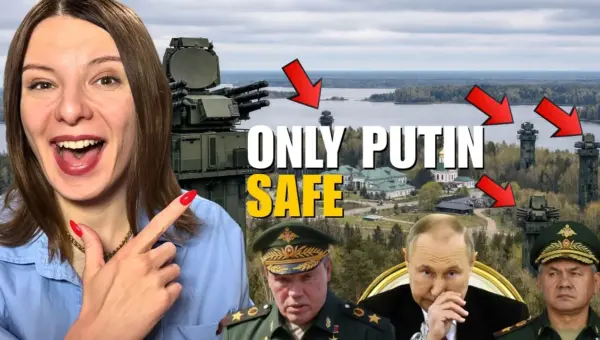
Putin Bolsters Residence Defenses Amid Regional Shortages
President Putin is reportedly significantly enhancing air defense around his Valdai residence, adding seven new systems for a total of 27. This comes as many Russian regions complain of insufficient protection, fueling public discontent and perceptions of unequal security.


Ukraine Strikes Russian Energy Assets: A New War Tactic
Ukraine is escalating its attacks on Russian energy infrastructure, employing "kinetic sanctions" to pressure Moscow. This strategy aims to cripple Russia's war funding amid stalled peace talks and concerns over allied support.


Putin’s Ceasefire Gambit: A Bid for Control
Putin's Easter ceasefire proposal is seen as a bid to regain control of the war narrative amidst battlefield stagnation. Concerns rise over potential U.S. pressure on Ukraine for concessions, while NATO's future and Ukraine's security outlook remain uncertain.