UK Urged to Use Influence to End Iran Conflict
As critical peace talks begin in Pakistan, UK politicians are urging for greater British influence to end the ongoing conflict in the Middle East. Key issues include the inclusion of Lebanon in a ceasefire and control over the Strait of Hormuz, with significant disagreement between involved parties.

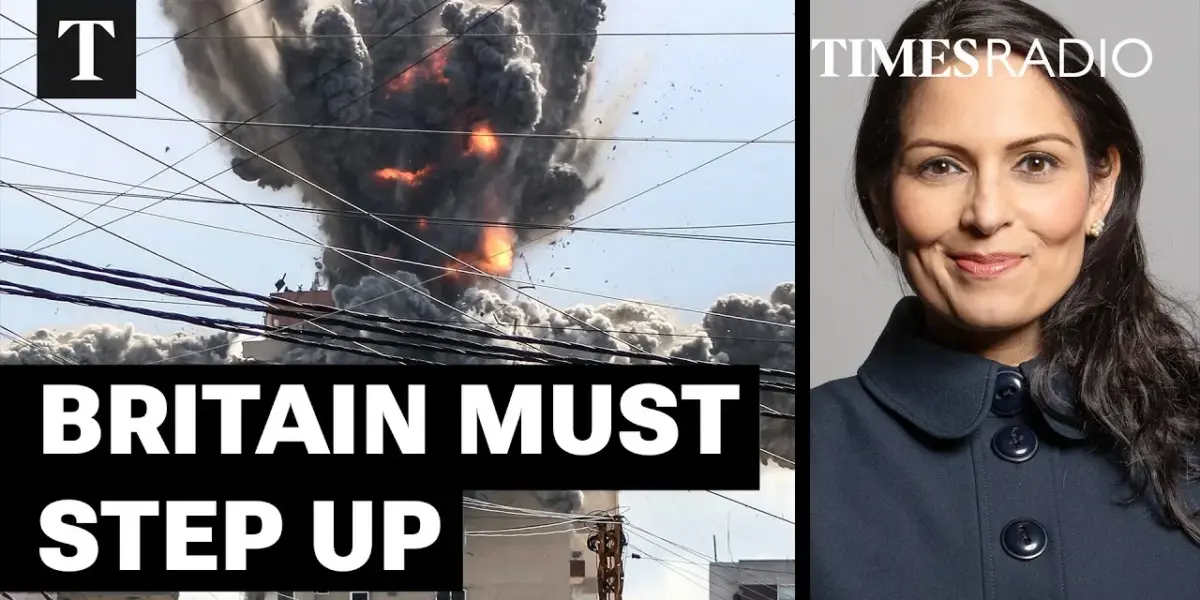
UK Must Act on Iran Conflict, Says Shadow Foreign Secretary
As peace talks aimed at ending the devastating conflict in the Middle East are set to begin in Pakistan, a leading British politician is calling for the UK to play a more active role. Priti Patel, the Conservative Party’s Shadow Foreign Secretary, believes Britain still has influence in the region and must use it to help bring about a lasting resolution.
Key Issues Clouding Peace Talks
Negotiations are scheduled to start in Islamabad within the next 24 hours, but significant disagreements threaten progress. One major point of contention is whether Lebanon should be included in a ceasefire agreement. The UK’s Foreign Secretary has stated it should be, but recent events paint a complex picture.
Lebanon has experienced some of the worst violence since the war began, with a high number of fatalities in the last 24 hours alone. This raises serious questions about the effectiveness of any proposed ceasefire in the country.
Beyond Lebanon, Iran’s nuclear capabilities and its actions in the Strait of Hormuz are also major concerns. Iran has suggested charging tolls on ships passing through the vital waterway, a move that some US officials have reportedly supported. However, the UK Foreign Secretary has made it clear that tolls should not be charged on these international shipping lanes.
“The one thing I would say this is an opportunity if there you know can be one for Britain still to leverage any influence that it still has in the region and I think that is subject to some some dispute right now to try and be constructive because we all want to see an end what is now a terrible conflict.”
Priti Patel, Conservative Party Shadow Foreign Secretary
Lebanon: A Ceasefire Puzzle Piece
The situation in Lebanon is expected to be a major sticking point in the upcoming talks. Iran’s government has described recent attacks on Lebanon as a serious violation of the ceasefire. This suggests Iran might use Lebanon’s inclusion in the ceasefire as a bargaining chip, potentially in exchange for removing tolls from the Strait of Hormuz.
Before the conflict, around 100 ships a day used the Strait of Hormuz. Now, that number has dropped dramatically to just 12. This highlights the significant impact the conflict has had on global trade and the importance of resolving issues surrounding this key waterway.
US Perspective and Israeli Stance
US Vice President JD Vance is attending the talks in Pakistan and is expected to play a role in calming the situation. Reports suggest Vance did not support the initial attacks and has addressed the issue of Lebanon being targeted.
Vance explained the US position, stating, “I think the Iranians thought that the ceasefire included Lebanon and it just didn’t. We never made that promise.” He clarified that the ceasefire was intended to focus on Iran and its allies, including Israel and Gulf Arab states. However, he also noted that Israel has offered to exercise restraint in Lebanon to support the success of the negotiations.
Israeli Prime Minister Benjamin Netanyahu, speaking before Vance’s departure, indicated a firm stance. He stated, “We still have some goals to accomplish and we will achieve these goals either through agreement and consensus or through renewal of the war because we are ready to do so whenever necessary. Our finger is on the trigger.”
UK’s Role and Concerns
Priti Patel emphasized that ceasefires in the Middle East are rarely simple and that the current situation is precarious. She pointed out that her party, being in opposition, does not have access to the same level of information as the British government.
However, she stressed the opportunity for Britain to use any remaining influence to encourage a constructive approach. She also highlighted the long-standing issue of Iranian-backed Hezbollah’s attacks on Israel, which she believes is at the root of the conflict. Patel noted that Iran sponsors proxies like Hezbollah, Hamas, and the Houthis, contributing to global instability.
Regarding the UK’s own role, Patel suggested that at the start of the conflict, allies in the Gulf region felt Britain had not stepped up sufficiently to protect its own interests and citizens. She advocated for enabling the US to use British bases to enhance regional security.
Broader Geopolitical Tensions: Russia and the English Channel
The discussion also touched upon other geopolitical issues, including the passage of Russian naval vessels through the English Channel. Patel strongly argued that such vessels should be seized, stating, “We cannot keep on allowing this activity from Russia.”
She recalled actions taken during the Ukraine conflict, including sanctions and the establishment of a new unit at the National Crime Agency, to counter Russian aggression. Patel called for more direct action against Russia, describing it as a threat to the UK, citing past incidents like the Novichok poisonings and the Salisbury attack.
Looking Ahead
With peace talks commencing, the world will be watching to see if a fragile ceasefire can be established and sustained. Key issues like Lebanon’s inclusion, the Strait of Hormuz, and Iran’s nuclear program remain significant hurdles. The effectiveness of international diplomacy, particularly the roles of the US and potentially the UK, will be crucial in determining whether a lasting peace can be achieved in the Middle East.
Source: Priti Patel: UK Must ‘Leverage Influence’ To End Iran War (YouTube)

Related Articles


US, Iran Hold High-Stakes Peace Talks Amid Tensions
Vice President J.D. Vance led U.S. negotiations with Iran in Pakistan, seeking to de-escalate tensions amid ceasefire violations and threats of military action. The talks face significant hurdles, including Iran's demands for a Lebanon ceasefire and asset release, and the critical closure of the Strait of Hormuz. The conflict's economic impact is evident in rising inflation and falling consumer confidence.

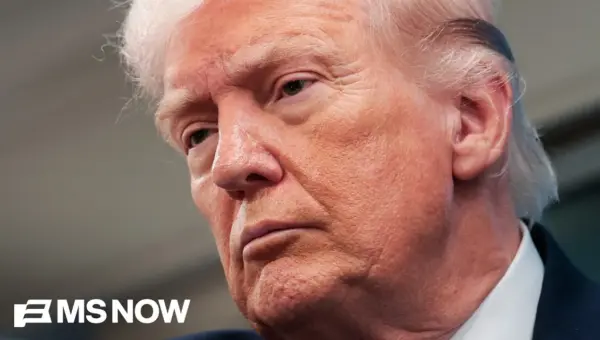
Trump’s Iran War Sparks Global Economic Crisis, Fuel Shortages
Donald Trump's war with Iran has triggered a global economic crisis, marked by surging inflation, gas price hikes, and potential jet fuel shortages. Iran's control over the vital Strait of Hormuz has become a key economic and geopolitical advantage, complicating U.S. objectives and impacting international stability.
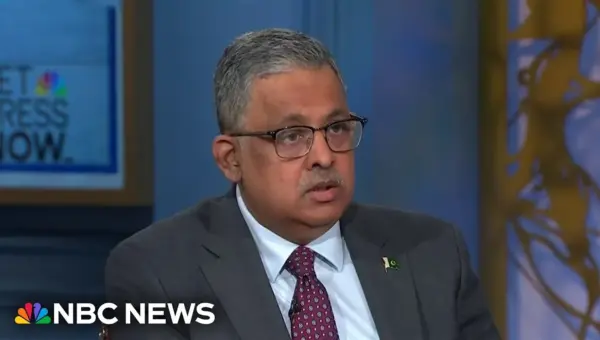
US, Iran Peace Talks Begin Amid Ceasefire Dispute
Vice President J.D. Vance leads a U.S. delegation to Pakistan for crucial peace talks with Iran, aiming to resolve escalating regional tensions. The negotiations commence amidst disputes over a ceasefire agreement, with both nations accusing each other of violations. Key issues include the Strait of Hormuz and the conflict in Lebanon, impacting global energy markets and consumer confidence.