UK to Allow US Use of Bases Against Iran Amid Escalation
The UK has granted the US permission to use British bases for defensive operations against Iran, signaling a shift in its stance amidst escalating regional tensions. Meanwhile, France and Belgium successfully seized a Russian "shadow fleet" oil tanker, intensifying pressure on Moscow's war financing.

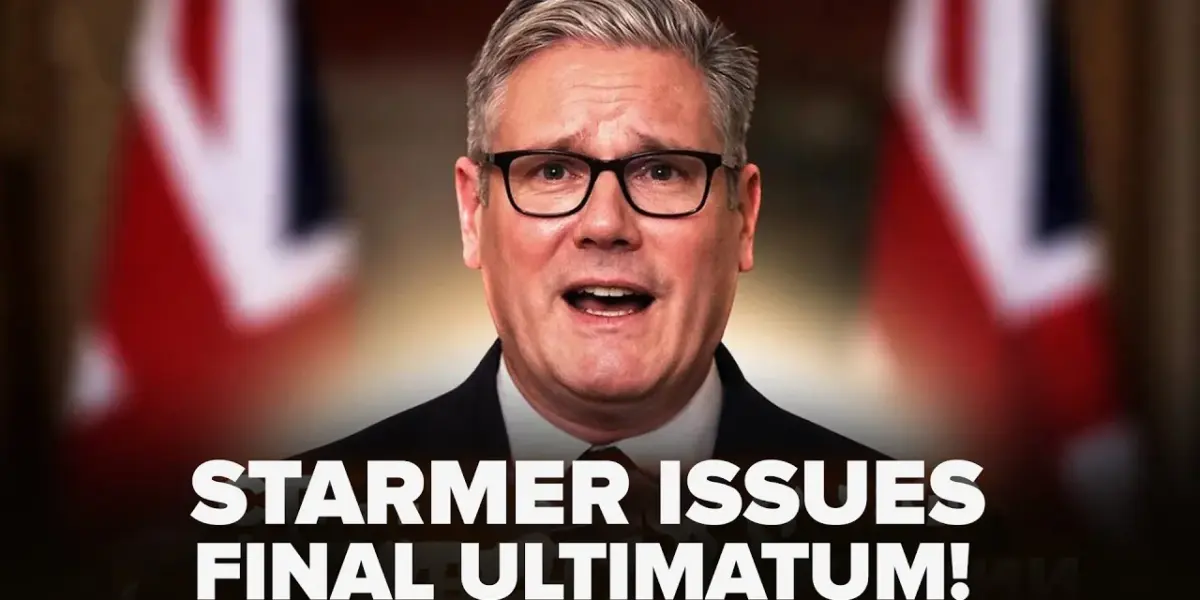
UK Grants US Access to Bases for Defensive Operations Against Iran
In a significant shift of policy, the United Kingdom has agreed to allow the United States to use British bases for limited defensive operations against Iran. Prime Minister Keir Starmer announced the decision, emphasizing that the UK will not join offensive strikes but will support the collective self-defense of allies and protect British lives in the region. This move comes as tensions escalate, with Iran striking British interests and allies in the Middle East.
Iran’s “Scorched Earth” Strategy and Regional Threat
Prime Minister Starmer characterized Iran’s actions as a “scorched earth strategy,” posing a serious risk to British people and their allies. He stated that partners in the Gulf have requested increased support for their defense, and it is the government’s duty to protect British citizens. “We have British jets in the air as part of coordinated defensive operations which have already successfully intercepted Iranian strikes,” Starmer said. He stressed that the most effective way to neutralize the threat is to destroy missiles at their source, either in storage depots or on launchers.
Legal Basis and Defensive Stance
The decision to grant the US permission to use British bases for this specific, limited defensive purpose is grounded in the principle of collective self-defense of long-standing friends and allies, as well as the protection of British lives. “That is in accordance with international law and we are publishing a summary of our legal advice,” the Prime Minister stated. He reiterated that the UK is not joining offensive actions, drawing a clear line by referencing the lessons learned from the Iraq War. “We were not involved in the initial strikes on Iran and we will not join offensive action now,” Starmer assured.
Collaboration with Ukraine on Drone Interception
In addition to facilitating US defensive operations, the UK announced it will bring together experts from Ukraine and its own specialists to assist Gulf partners in intercepting Iranian drones. This collaborative effort underscores the multifaceted nature of the regional security challenges and the UK’s commitment to bolstering defensive capabilities.
International Pressure Mounts on Russia’s Shadow Fleet
In parallel to the escalating tensions involving Iran, European nations have intensified pressure on Russia’s illicit oil trade. France and Belgium have successfully seized a Russian “shadow fleet” oil tanker in the North Sea, a move hailed by Ukraine as a critical step in disrupting Moscow’s war financing. French President Emmanuel Macron reported the completion of the joint operation, describing it as a “serious blow to the shadow fleet.” The detained vessel was reportedly operating under sanctions and transporting Russian crude oil, contributing to Russia’s energy revenues.
“A Decisive Step” Against Russian Aggression
Ukraine’s Foreign Minister Dmytro Kuleba welcomed the seizure, urging other countries to follow suit. “Such resolute and justified actions are necessary to deprive Russia of its resources needed to continue its aggression,” Kuleba stated. Belgium’s Defense Minister Ludivine De Donder confirmed the vessel is being escorted to the port of Ostend for official arrest and confiscation. Ukrainian President Volodymyr Zelenskyy also commended the operation, noting the tanker had been under sanctions but continued to operate illegally using a false flag and forged documents.
The Scale and Impact of the Shadow Fleet
Russia’s shadow fleet has become an indispensable tool for the Kremlin to circumvent Western sanctions and maintain oil revenues. Analytical centers estimate that this network of tankers, characterized by altered ownership, flags of convenience, and questionable insurance, transports a significant majority of Russia’s seaborn oil exports – potentially up to 70% or more. The fleet, which may comprise up to a thousand vessels, enables Russia to sustain export flows to Asia and other markets despite international sanctions. The G7 and EU’s price cap policy, which prohibits Western companies from insuring or servicing Russian oil shipments sold above a set price, initially aimed to limit Moscow’s access to traditional shipping infrastructure. In response, Russia has assembled this parallel maritime transport system as a survival mechanism.
Expert Analysis on US-Iran Standoff
Professor Scott Lucas of Dublin University provided insights into the complex dynamics of the US-Iran confrontation. He suggested that the US approach, particularly under the Trump administration, may differ from Israel’s objective of complete regime change, focusing instead on Iran’s compliance with demands regarding its nuclear program and ballistic missiles. “For the Americans, for the Trump camp, it’s not about regime change… if Iran will come back into talks and if Iran will give us what we want, this can stop,” Lucas explained. He noted that the US demands extend beyond the 2015 nuclear deal, seeking a complete halt to uranium enrichment and limitations on ballistic missiles, which Iran has resisted discussing.
Legal Hurdles and Shifting Alliances
Lucas also addressed why France and the UK were hesitant to support the US operation from the outset. “They didn’t support it initially, especially in the UK case, because the war is illegal,” he stated, referencing legal advice that a preemptive war requires an imminent threat, which Iran did not yet pose. The UK’s initial refusal to allow the US to use its Diego Garcia base in the Indian Ocean reflected this legal assessment. However, the UK’s position evolved due to Iran’s actions, including the deaths of American troops and strikes on Gulf states. “The UK is already being pulled into being an accomplice of this US-Israel war, even if they didn’t want to be in this position,” Lucas observed.
France’s Stance and Call for De-escalation
France, while maintaining a slightly different relationship with the US, has also expressed concerns. Paris has called for de-escalation and criticized Iranian retaliation, while simultaneously signaling to the US and Israel the need to back off from regime change aims. The French government has also indicated readiness to participate in the defense of its Middle Eastern partners amidst the ongoing escalation.
Looking Ahead
As the geopolitical landscape continues to shift, the world will be watching closely to see if diplomatic channels can be reopened to de-escalate the current tensions. The effectiveness of international sanctions against Russia’s shadow fleet and the UK’s evolving role in regional defense will also be key areas to monitor in the coming weeks and months.
Source: 💥Starmer issues STARK WARNING! High-stakes CLASH. Russian Navy pressured (YouTube)

Related Articles
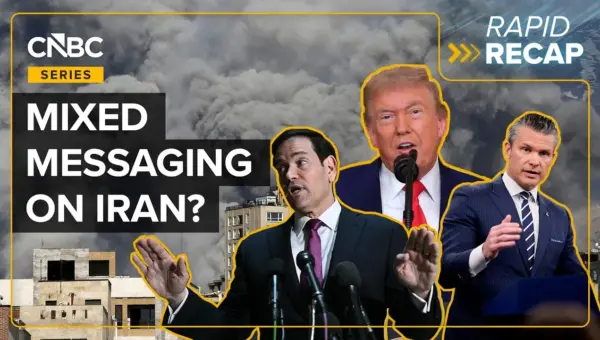
Iran Tensions Flare: US Vows “Annihilation” Amid Nuclear Fears
The Trump administration has adopted an aggressive tone towards Iran, vowing military action and highlighting concerns over the nation's nuclear ambitions. Officials cited "imminent threats" and Iran's development of missiles and drones as justifications for a preemptive stance.
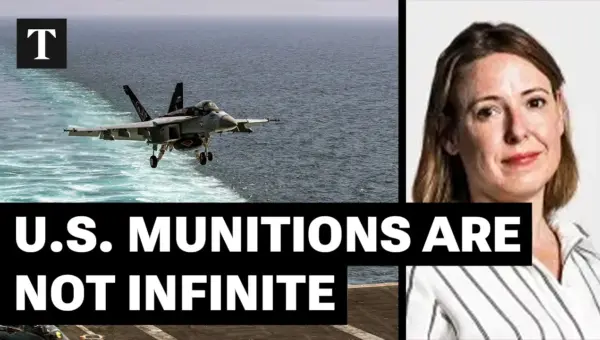
US Munitions Finite, Trump Claims Mislead Analysts
Analysis reveals that despite former President Trump's claims, U.S. munitions are not infinite, posing strategic challenges. UK forces successfully downed a drone, highlighting ongoing global security concerns and the costly economics of modern drone warfare.
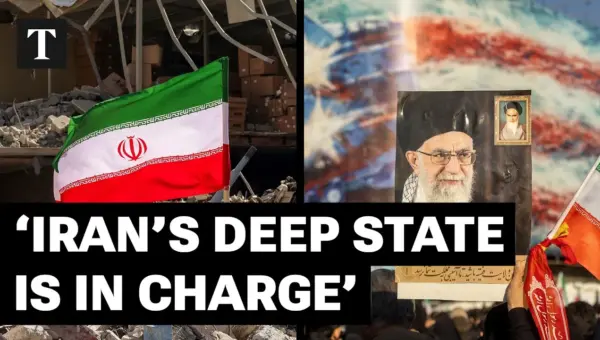
Iran’s ‘Deep State’ Operates Behind Veil, Expert Reveals
An expert on Iranian military affairs reveals a powerful 'deep state' operating behind the scenes, controlled by the Supreme Leader's office, designed to ensure regime continuity. The analysis underscores that regime collapse is the only path to meaningful change in Iran, highlighting the nation's role as a global sponsor of terror and its hostile actions against Western democracies.