UK Spots Russian Subs Near Key Cables
British and Norwegian forces tracked three Russian submarines, including an attack vessel, near vital undersea communication cables for a month. This operation highlights growing concerns over the security of critical global infrastructure and Russia's increasing subsea capabilities.

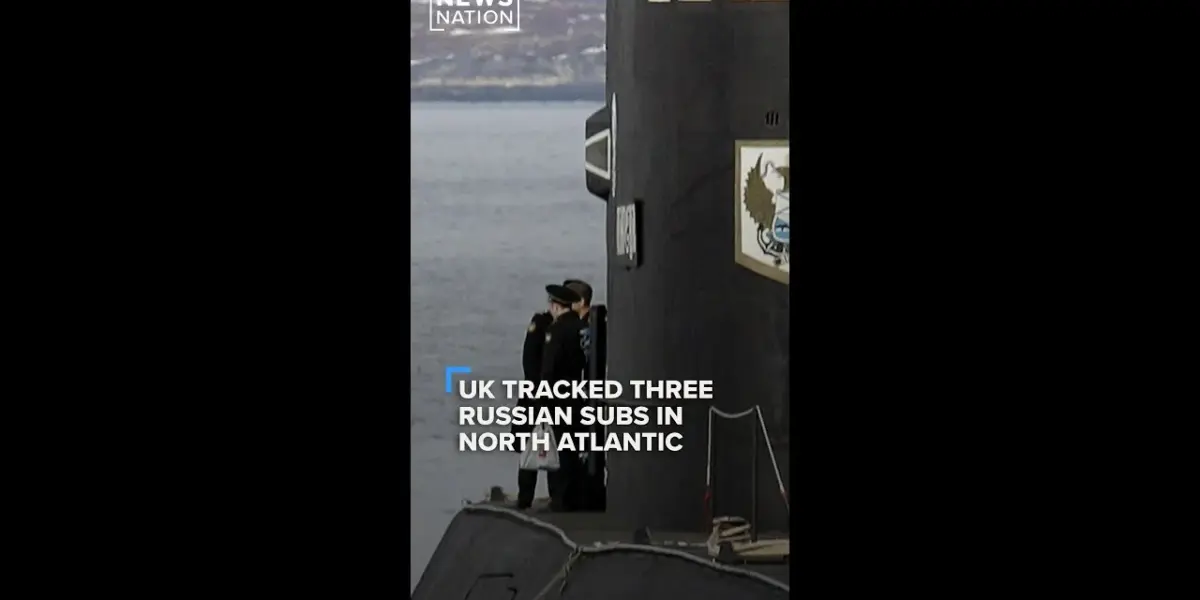
UK and Allies Track Russian Submarines Near Vital Undersea Cables
British Forces Monitor Subsea Activity
British and Norwegian forces recently tracked three Russian submarines for about a month. Defense Minister Grant Shapps shared images of this operation, marking the first time this information has been made public. The UK believes these submarines were involved in activity around the seafloor, possibly related to underwater pipes and communication lines. While two of the submarines are thought to be for research purposes, one was identified as a Russian attack submarine. Importantly, there is no evidence that any undersea infrastructure was damaged during this period.
Russia’s Interests and Motivations
Russia has a significant interest in its undersea network. These cables are vital for global communication and energy transfer, forming the backbone of the modern economy. Protecting and potentially monitoring these lines is a strategic priority for Moscow. The presence of an attack submarine suggests a readiness to assert control or demonstrate capability in these critical areas. This activity could be aimed at gathering intelligence, practicing operational maneuvers, or sending a message to Western powers about Russia’s reach and technological capacity.
UK and NATO’s Concerns
The United Kingdom, along with its NATO allies, views the security of undersea infrastructure as paramount. These cables carry vast amounts of data and energy, essential for economic stability and national security. Minister Shapps stated that “connection is everything for our economy and for our security.” The UK’s decision to publicize the submarine tracking signals a desire to raise awareness about potential threats to these vital assets. It also serves as a warning to Russia that its activities are being closely observed.
Broader Geopolitical Context
This incident occurs against a backdrop of heightened tensions between Russia and the West. Fears have grown in Europe about Russia potentially exploiting ongoing conflicts or instability. The ongoing war in Ukraine, for instance, has diverted attention and resources, potentially creating opportunities for other Russian actions. Russia’s assertiveness in undersea domains is not new; it has been building its submarine fleet and capabilities for years. This includes developing specialized submersibles and increasing patrols in strategic maritime areas.
Economic Leverage and Security
The reliance on undersea cables creates a unique vulnerability. Disruptions to these lines could have severe economic consequences, impacting financial markets, internet services, and energy supplies. For example, the majority of global internet traffic travels through these cables. Russia, by operating near these critical points, could theoretically disrupt these flows. The UK and its allies are therefore investing in better detection and protection capabilities to safeguard this essential infrastructure. This includes increased naval patrols and surveillance of key maritime routes.
Why This Reshapes the World Order
The growing importance of undersea infrastructure highlights a new frontier in geopolitical competition. As nations become more interconnected through digital and energy networks, control over the physical pathways becomes increasingly strategic. This incident underscores a shift where conflict and competition are extending below the waves. It forces nations to think about security not just in the air or on land, but also in the deep ocean. The ability to monitor and protect these hidden networks will become a key factor in national power and global stability.
Future Scenarios
Several future scenarios are possible. Russia may continue to increase its undersea surveillance and operational tempo, testing the responses of Western nations. Alternatively, increased Western vigilance could deter further aggressive actions, leading to a more stable but still watchful environment. There is also a risk of miscalculation, where an accident or an intended disruption could escalate tensions rapidly. The most likely scenario involves continued, low-level competition and surveillance in these critical undersea areas, with both sides seeking to maintain an advantage without triggering open conflict.
Source: British forces tracked 3 Russian subs for a month | NewsNation (YouTube)

Related Articles

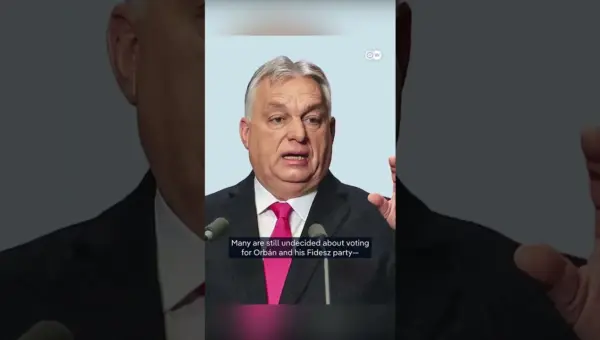
Hungary Votes: Orban’s Russia Ties vs. EU Future
Hungary is at a critical juncture as voters decide between Prime Minister Viktor Orban's Russia-aligned policies and opposition leader Peter Márki-Zay's pro-EU platform. The election highlights deep societal divisions and carries significant implications for the future of Hungary and the European Union.

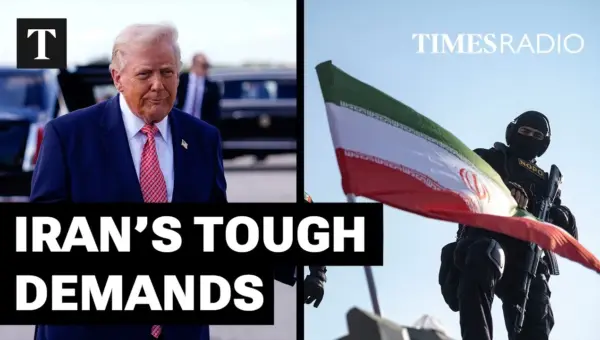
Iran Demands Full Control Over Strait of Hormuz
Iran is pushing for maximum control over the Strait of Hormuz, presenting a maximalist demand in ongoing negotiations. Deep disagreements persist between key global players, particularly concerning Iran's nuclear ambitions and the stability of a potential ceasefire. The clarity and unity of negotiating teams remain uncertain, adding further complexity to the delicate geopolitical situation.


WTO Crumbles, Ushering In Global Trade Wars
The World Trade Organization is collapsing, signaling a return to global trade wars and regional economic blocs. This shift is driven by changing U.S. priorities and the WTO's own structural flaws, forcing countries to find new economic and political models.