UK Special Forces on High Alert for Ukraine Deployment
British Special Forces are reportedly on high alert for potential deployment to Ukraine as diplomatic efforts to end the conflict face significant challenges. A multinational response framework has been agreed upon by Ukraine and its Western allies to deter potential ceasefire violations by Russia, though Moscow has not consented to the plan. The situation unfolds amidst broader geopolitical tensions, including increased US military pressure on Iran.

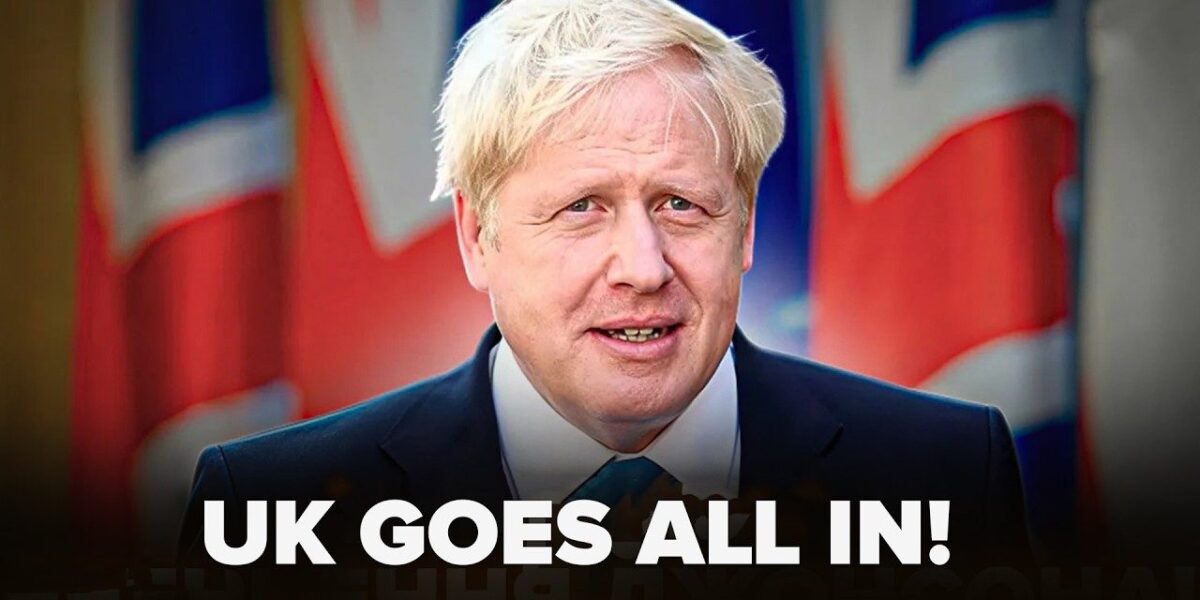
UK Special Forces on High Alert for Ukraine Deployment Amidst Diplomatic Stalemate
Reports indicate that British Special Forces units are on high alert, with potential deployment to Ukraine under consideration as part of a broader European planning initiative. While the UK Ministry of Defense has declined to confirm these reports, citing operational security, earlier suggestions pointed to a possible role for special forces in a multinational peacekeeping mission aimed at enforcing a ceasefire. This development comes as diplomatic efforts to end the conflict face significant hurdles, with key issues such as the status of Donetsk and security guarantees remaining unresolved.
Analysis of Diplomatic Efforts and Unresolved Issues
Scott Lucas, Professor of International Politics at University College Dublin, offered a critical assessment of the situation, stating, “I don’t think we’re close to a deal. I wish I could say we’re close to a deal… but I don’t see it happening.” He highlighted the frustration expressed by Ukrainian President Volodymyr Zelenskyy regarding Russia’s historical narratives, emphasizing that such rhetoric impedes progress toward a resolution. Lucas identified four critical issues hindering negotiations:
- The fate of Donetsk: Ukraine’s proposal for a demilitarized zone faces Russian opposition.
- Wider security guarantees: Russia seeks to keep Ukraine vulnerable, resisting substantial security assurances for Kyiv.
- Zaporizhzhia nuclear power plant: The ongoing Russian occupation of Ukraine’s nuclear facility remains a contentious point.
- Recovery and reconstruction priorities: Disagreements persist over whether the focus should be on Ukraine’s rebuilding or on US-Russian economic projects.
Lucas argued that Vladimir Putin’s legacy is at stake, suggesting that the Russian President will not back down unless convinced he cannot achieve his objectives, such as conquering all of Donetsk or dismantling the Ukrainian government. This underscores the need for Western support to Ukraine, including financial aid, service delivery, and support for Ukraine’s defensive actions within Russia.
Multinational Response Framework for Ceasefire Violations
In parallel to these diplomatic challenges, Ukraine and its Western allies have reportedly agreed on a framework to respond to potential violations of a future ceasefire. According to the Financial Times, this plan establishes a multinational response system designed to deter Moscow. Key aspects of this framework include:
- European-led response with US backing: European forces would take a leading role, with US military support available for escalating violations.
- Coordinated timeline for action: A joint response would be initiated within 72 hours of a Russian breach, starting with diplomatic pressure and potentially escalating to military deployment.
- Phased approach: The scale of the Western response would be contingent on the severity and persistence of any Russian violation, aiming to signal consequences without triggering broad escalation.
This framework aims to demonstrate Western unity and deterrence while mitigating the risk of direct NATO involvement. However, Russia has not agreed to this proposal and has warned that foreign troops on Ukrainian soil would be considered legitimate targets.
Broader Geopolitical Tensions: Iran and US Military Posturing
The situation in Ukraine is unfolding against a backdrop of heightened global tensions. The United States is reportedly increasing military pressure on Iran amidst concerns over its nuclear program and regional activities. US forces in the Middle East are positioned for potential action, with a build-up of fighter jets and other assets observed. Analysts suggest these preparations reflect both deterrence and readiness, with a range of options reportedly developed, including strikes against Iranian military or nuclear facilities.
Diplomatic efforts are ongoing, with US and Iranian officials meeting for talks mediated by Oman. However, former Pentagon officials have indicated that forces are prepared for a significant campaign. This dual approach of active diplomacy and visible military presence highlights Washington’s strategy of maintaining negotiation channels while preparing for possible military action if Iran does not comply with international demands. The potential for escalation is a significant concern, with Iran warning of retaliation and other actors cautioning against military action.
Looking Ahead: The Path to Resolution
The coming weeks will be critical in assessing the trajectory of the conflict in Ukraine. While diplomatic channels remain open, with potential high-level talks on the horizon, the significant unresolved issues and Russia’s stance on foreign troop presence present formidable obstacles. The effectiveness of the proposed multinational response framework in deterring ceasefire violations will also be closely watched. Simultaneously, the escalating tensions with Iran add another layer of complexity to the global security landscape. The international community will be focused on whether a genuine breakthrough in negotiations can be achieved or if the conflict and associated geopolitical risks will continue to intensify.
Source: 💥UK to send Special Forces to Ukraine! Boris Johnson’s EXPLOSIVE statement (YouTube)
