UK ‘Sidelined’ in US-Israel Iran Standoff, Says Ex-Minister
Former Defence Secretary Liam Fox has strongly criticized the UK's "pathetic" response to the escalating US-Israel confrontation with Iran, arguing the nation has been "sidelined." He called for greater British involvement and support for allied actions, highlighting the perceived weakness of the current government.

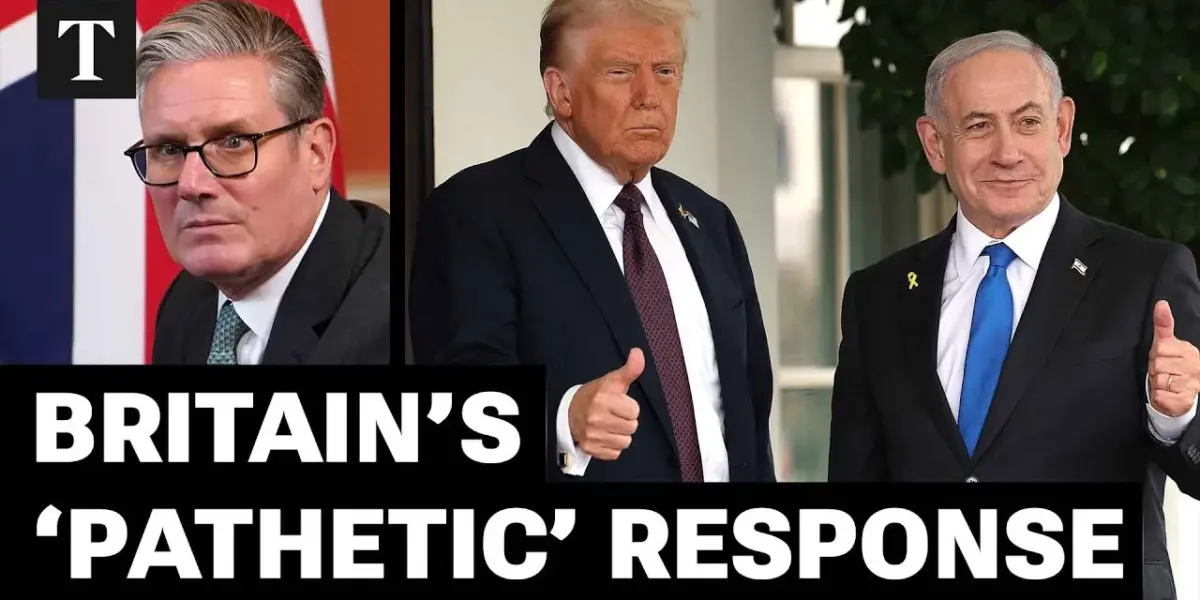
UK’s Influence Wanes Amidst Escalating US-Israel Stance on Iran
In a stark assessment of Britain’s diminished role on the international stage, former Defence Secretary Liam Fox has criticized the UK government’s response to the escalating conflict between the United States, Israel, and Iran, labelling it ‘pathetic’ and leaving the nation ‘sidelined’. The comments come as President Trump outlines ambitious goals for military intervention in Iran, aiming for a swift resolution to its nuclear program, missile development, and support for regional proxies, all without deploying ground troops.
Critique of UK’s ‘Invertebrate’ Government Response
Dr. Fox, speaking in an interview, expressed his support for the principle behind US and Israeli actions against Iran, though he questioned the timing and the sufficiency of intelligence regarding internal Iranian dynamics. “In principle, it’s clear that the primary duty of our government is to defend the United Kingdom, its people, and its interests,” he stated. “Iran is the enemy of the UK and our allies in the region. They have launched terrorist attacks against our allies before. They have vowed to wipe Israel, another ally, off the map completely.”
He lamented the current UK government’s approach, describing it as “the most invertebrate government possible.” This sentiment stems from a perceived failure to act decisively, including the prolonged delay in proscribing the Islamic Revolutionary Guard Corps (IRGC) and a lack of robust backing for allies in the current confrontation.
Call for British Involvement and Base Access
Dr. Fox argued that Britain should have been more proactive, advocating for the immediate allowance of US forces to use British bases. He further suggested that with direct attacks, possibly via drones launched from Lebanon, targeting British interests as an ally of the US and Israel, the UK is already a party to the conflict. “It’s very clear that we are part of that conflict. And I think we should be, although it’s an American and Israel-led mission, we should be asking them what they want of the United Kingdom to help carry that mission out successfully and as quickly as possible.”
While acknowledging that the UK might not bring significant military assets to the table given the massive US military buildup, Dr. Fox emphasized the value of intelligence capabilities and the strategic advantage of providing flexibility to American operations. “We can allow the United States greater flexibility; we should be doing what we can to ensure a successful outcome of this conflict, whether or not we thought that the timing was correct,” he added.
Iran’s Threat and the Risk of Regional Escalation
The discussion also touched upon the nature of the threat posed by Iran, with Dr. Fox highlighting its pursuit of nuclear weapons, its enrichment of uranium, and its stated intentions towards Israel. He contrasted this with the situation in Iraq in 2003, arguing that the basis for action against Iran is far more concrete, citing intelligence regarding Iran’s nuclear ambitions and destabilizing regional activities, including support for Houthi rebels and Hezbollah.
Dr. Fox warned that Iran’s regime, facing an existential battle, risks creating a stronger Arab anti-Iranian alliance. He urged the West to send a clear message to internal Iranian forces, encouraging them to choose between supporting the theocratic tyranny and siding with the Iranian people. “They will be held accountable by the international community for the decisions they take in the coming hours and days,” he asserted.
Economic Repercussions and Security Concerns
The potential economic fallout of the conflict was also addressed, with concerns raised about rising oil and gas prices impacting consumers, particularly in Europe which has become more reliant on alternative energy sources following the war in Ukraine. Dr. Fox conceded that the degree of economic pain would depend on the conflict’s duration but stressed the necessity of neutralizing Iran’s missile and drone threats.
Addressing the threat of IRGC sleeper cells within the UK, Dr. Fox admitted he lacked specific intelligence but stressed the need for a more serious approach. He reiterated calls for the proscription of groups like the IRGC, criticizing what he perceives as a historically lenient stance towards pro-Iranian groups compared to others. “This needs to end, and it needs to end not just now. It actually needed to end 5 to 10 years ago,” he concluded.
Looking Ahead: Uncertainty and Strategic Imperatives
As the situation unfolds, the international community watches with anxiety. The effectiveness of a potential air-only military strategy, the possibility of an internal uprising within Iran, and the long-term economic consequences remain significant uncertainties. The UK’s strategic positioning and its willingness to assert influence in future international security matters will be closely observed.
Source: Britain Has Been ‘Sidelined’ In the US-Israel Conflict With Iran (YouTube)

Related Articles

Iran War Sparks Global Energy Crisis: Millions of Barrels Disrupted
The escalating conflict involving Iran has disrupted millions of barrels of crude oil daily, threatening a global energy crisis. Drone attacks on critical infrastructure and the hesitant movement of tankers in the Persian Gulf have created a volatile market, with far-reaching economic and geopolitical implications.
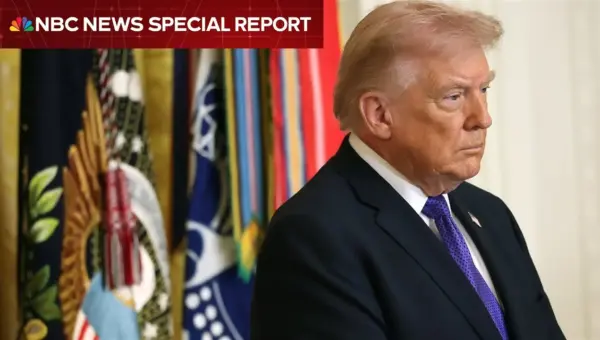
Trump Warns of Escalating Iran Conflict, Vows Unyielding Response
President Donald Trump declared that the "big wave of attacks" against Iran has not yet begun, warning of potential U.S. casualties as military operations continue. He outlined the objectives of "Operation Epic Fury" to dismantle Iran's military and nuclear capabilities, projecting a 4-5 week timeline but acknowledging it could extend.


Trump’s Drapes Distract from Deadly Iran Conflict
Presidential priorities appear to be dangerously skewed, with a focus on trivial matters like drapes overshadowing the deadly consequences of military actions in Iran. This analysis delves into the perceived chaos and lack of accountability in recent foreign policy decisions.