UK Seeks Autonomy Amid Trump’s Unpredictable Trade Policies
The UK is strategically building its autonomy, particularly in financial systems, due to concerns over unpredictable U.S. trade policies and potential tariff threats. Analysis shows declining U.S. public support for such economic agendas, prompting allies to seek greater independence.

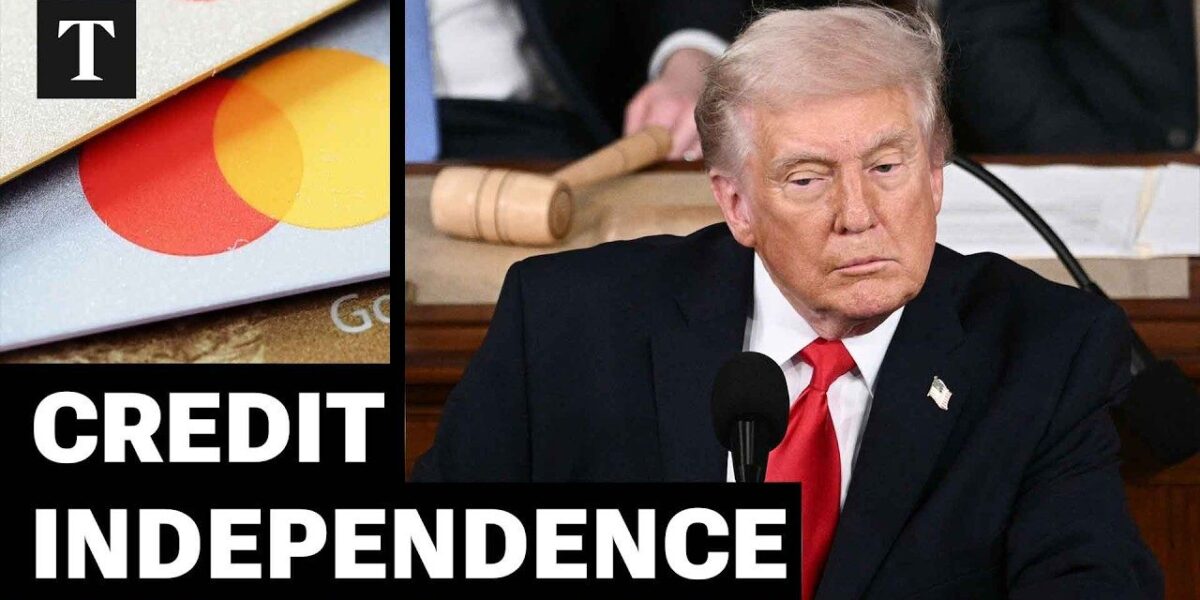
UK Pursues Strategic Independence Amid Global Uncertainty
London, UK – The United Kingdom, alongside European allies, is actively seeking to bolster its strategic autonomy in the face of growing concerns over the unpredictable trade policies and potential tariff threats emanating from the United States, particularly under a Donald Trump presidency. This push for independence extends beyond traditional defense and security realms into critical areas such as financial systems and technological infrastructure, as nations aim to insulate themselves from potential economic coercion.
Shifting Global Trade Dynamics and Tariff Concerns
Historically, concerns about economic overreliance have often focused on China’s potential to leverage its market dominance. However, recent political rhetoric and policy proposals from the United States have introduced a new layer of apprehension. The prospect of significant tariff impositions by the U.S. has become a tangible worry for global partners, prompting a strategic re-evaluation of existing trade dependencies.
During a recent State of the Union address, former President Donald Trump reiterated his stance on trade deals and tariffs, suggesting that while a Supreme Court ruling might impact his policies, future negotiations could lead to far more severe outcomes for other nations. He stated, “Almost all countries and corporations want to keep the deal that they already made, knowing that the legal power that I, as president, have to make a new deal could be far worse for them and therefore they will continue to work along the same successful path that we had negotiated before the Supreme Court’s unfortunate involvement.”
Data Reveals Declining U.S. Public Support for Trump’s Agenda
Analysis of public opinion polls in the United States indicates a significant shift in voter sentiment regarding President Trump’s economic policies. While Trump has historically enjoyed a dedicated base of support, recent data suggests a decline in his overall favorability. A comprehensive averaging of opinion polls from late 2024 into early 2025 shows a net rating of minus 11 points, a notable drop from a neutral rating previously.
Tom Calva, Data Editor at The Times, noted the trend: “He has become unpopular, and I think, you know, you might counter that by saying, okay, well, you know, it’s typical for presidents to lose popularity as they get on with the sort of hard business of governing. And yes, that is true, but Trump is more unpopular, the polls suggest, than any of the previous three presidents before him. So, he is uniquely unpopular.”
Specific policy areas have seen particularly sharp declines in public approval. The handling of the economy and inflation, central tenets of Trump’s platform, have been severely criticized. “He has a net approval rate on inflation of minus 28 really, and on the economy of minus 23. So clearly voters are sending him a signal that they are not happy with how he has handled the cost of living,” Calva added.
The effectiveness of tariffs as a policy tool has also come under scrutiny. While the administration promoted tariffs as a means to enrich America, public perception appears to be shifting. “I think the penny has dropped as we sort of saw continued tariff chaos last week that actually this tariff scheme is not making Americans richer it perhaps in the way that they thought,” Calva observed.
International Partners Reassess U.S. Reliability
On the international stage, trading partners are increasingly pushing back against U.S. trade pressures. Karen von Hipple, former State Department official and head of the Royal United Services Institute, elaborated on this dynamic.
“America’s trading partners are, you know, in different ways pushing back on trade and the pressure from America instead of giving way as you might have seen in the earlier days. Well, some have pushed back and they feel that they have made themselves worse off because they’ve agreed to concessions and they’re not entirely sure now if they really even have to, you know, give all this money, invest all this money in the U.S. economy like Japan and Indonesia, for example, did about a week ago. Um, others like China really played chicken with Trump and and didn’t agree to anything and they’re probably in a far better place. So, it really depends on on the country.”
Von Hipple highlighted that while many nations are wary of declaring victory due to the perceived volatility of U.S. policy, the trend indicates a growing desire for greater self-reliance.
Building Autonomous Financial and Technological Systems
A significant development in this pursuit of autonomy is the focus on establishing independent financial systems. The United Kingdom and Europe are reportedly exploring the creation of their own autonomous payment systems, aiming to reduce reliance on U.S.-based networks like Visa and Mastercard.
“95% of British credit card transactions are made by systems owned by Mastercard and Visa. And so just as the Europeans want to have autonomy and strategic autonomy, let’s just say in defense and build up their own security, they need to do the same thing because of course if America turns it off, they’re going to be left like many Russians were when the sanctions were applied and unable to buy anything,” von Hipple explained.
This move is seen as a critical step towards safeguarding against potential U.S. actions that could disrupt financial flows during times of geopolitical tension or coercion. The concern is that such disruptions could leave nations unable to conduct basic transactions, mirroring the impact of sanctions on Russia.
Erosion of Trust and Long-Term Implications
The broader implication of this shift is a growing erosion of trust in U.S. commitments among its strategic partners. The potential for a future U.S. administration to reverse established policies or impose new ones creates an environment of uncertainty.
Von Hipple commented on the long-term consequences: “It’s hurting the United States in the long run because, of course, no country will ever really be able to trust U.S. commitments because another president can come along that’s just as bad or worse than Trump.”
Despite the immediate challenges, von Hipple suggested that this period of recalibration could ultimately benefit the UK and other allies. “That being said, I actually think it’s better in the long term for the United Kingdom and European countries and others to build up their own resilience, security and capabilities so they aren’t relying on other countries so they have more autonomy to do things that make sense for their own country. So I think in the long run actually, you know, countries like the United Kingdom, Canada and others will probably say this ended up being a good thing for us.”
Looking Ahead: The Future of Global Economic Alliances
As the UK and its European partners continue to develop independent economic and technological infrastructures, the global landscape of trade and alliances is poised for significant transformation. The long-term success of these autonomy initiatives will be closely watched, as they may redefine international economic relations and reduce vulnerability to the unpredictable policies of major global powers.
Source: The UK Is Trying To Build Their Autonomy To Combat Trump’s Unpredictability (YouTube)

Related Articles

Trump Threatens “Unseen” Force on Iran After Leader’s Death
Following the assassination of Supreme Leader Ayatollah Ali Khamenei, U.S. President Donald Trump has vowed to unleash unprecedented force on Iran. While outlining ambitious goals including regime change, experts express skepticism about the effectiveness of airstrikes and the potential for popular uprising against a resilient Iranian government.
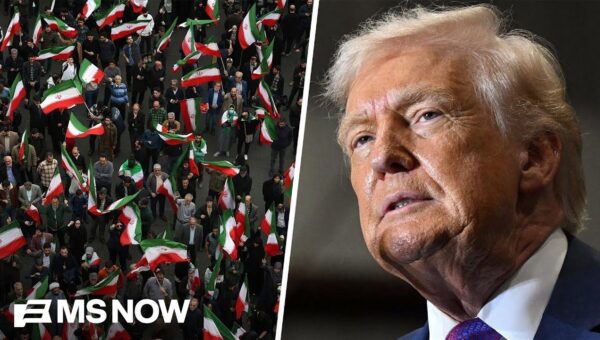
Senator Coons Questions Trump’s Iran Strategy After Troop Deaths
Senator Chris Coons has sharply criticized President Trump's strategy in Iran following the deaths of three U.S. service members. Coons questioned the intelligence regarding Iran's nuclear proximity and the lack of clear strategy and congressional debate for the "war of choice."
Nuclear Expert Debunks Trump’s Iran Bomb Timeline
Nuclear security expert Joe Cirincione refutes claims that Iran was two weeks from a nuclear bomb, stating the process would take months. He analyzes recent strikes on Iran's nuclear facilities, arguing military solutions are insufficient and diplomacy with inspectors is key.